
Just because your backyard doesn’t get full sun all day doesn’t mean you can’t grow a productive, beautiful vegetable garden. Shade often gets a bad rap in the gardening world, but truth is, there are quite a few vegetables that actually prefer less intense sunlight. Whether you’ve got tall trees, a privacy fence, or just a spot on the north side of your house, you’ve still got options. And good ones, at that.
In fact, many cool-weather crops do better out of the blazing afternoon sun. They stay tender longer, bolt more slowly, and are less likely to suffer from heat stress or sun scorch. A little shade can even help stretch your growing season, especially in warmer climates. And if you’re gardening in raised beds, containers, or a small city yard, learning to work with the light you do have can open up a whole new level of success.
If you’re working with a shady space and wondering what to plant, you’re in the right place. In this guide, we’ll dig into seven of the best vegetables to grow in partial shade, along with practical tips to help them thrive. This isn’t fluff—it’s solid, down-to-earth advice rooted in real experience and trusted gardening sources. Let’s shed a little light on shade gardening and help you turn even the dimmest corner of your yard into something productive and satisfying.
Understanding Shade in the Garden
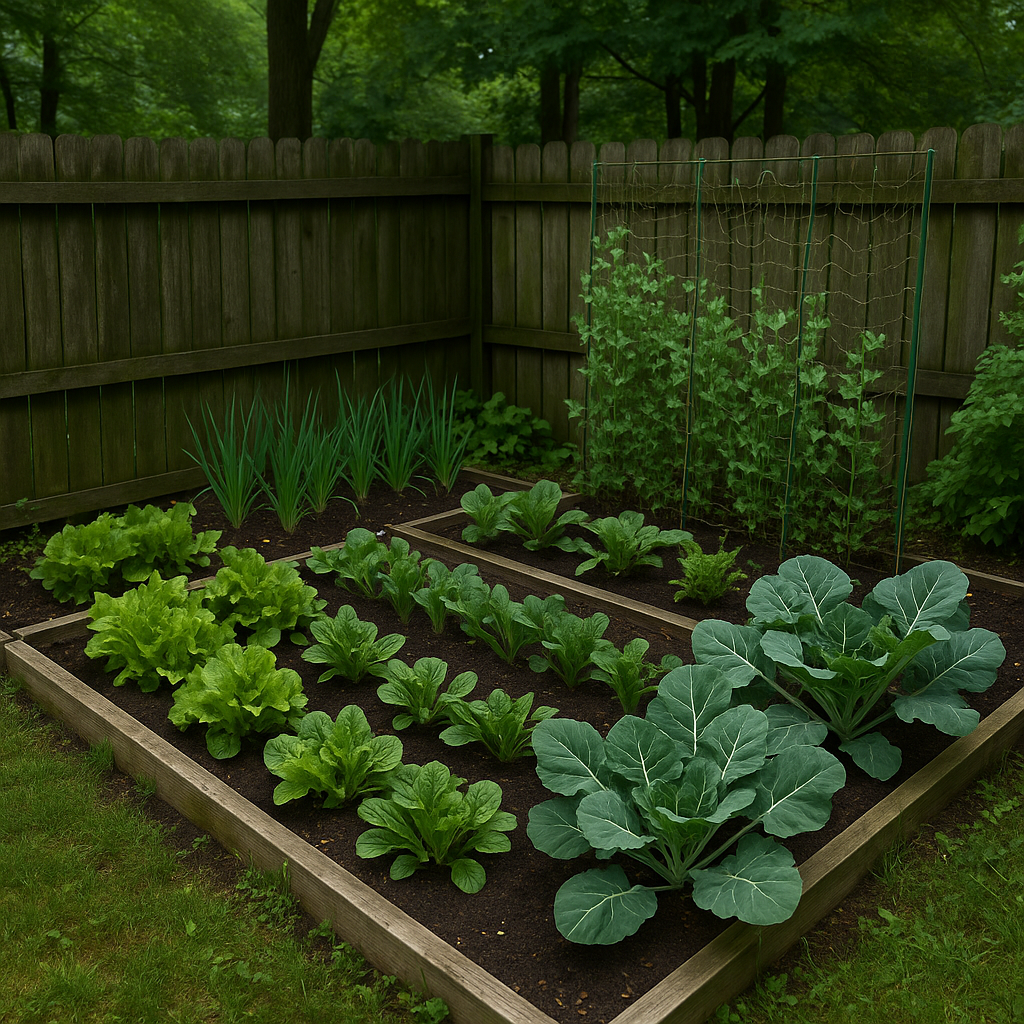
Before you get planting, it helps to know what kind of shade you’re dealing with. Not all shade is created equal, and understanding the difference can make or break your garden’s success. Most vegetables still need some sunlight—what they don’t like is hot, harsh afternoon rays that scorch leaves and dry out the soil. A garden that gets 3 to 4 hours of direct sun per day, especially in the cooler morning hours, is considered partial shade—and that’s just fine for many cool-season crops.
Dappled light, the kind that filters through the canopy of trees and dances across your garden beds, can also support a surprising number of vegetables. It might not be strong enough for tomatoes or peppers, but leafy greens, root crops, and many herbs will happily make the most of it. On the other hand, full shade—where direct sunlight never touches the soil—is much trickier. Most edible plants won’t thrive there, but with the right approach, you can still tuck in a few shadow-loving greens or experiment with shade-tolerant herbs like mint and chives.
The key is observation. Watch how the light moves across your space throughout the day, and take note of which areas get sun, which stay cool, and when. That knowledge is your foundation for building a garden that works with your site’s conditions—not against them.
Lettuce Loves Light Shade
Lettuce is one of those vegetables that practically throws a party in partial shade. It prefers cooler temperatures and can bolt (go to seed) fast when exposed to full summer sun. By giving your lettuce a little afternoon protection, you’ll actually get better-tasting leaves and longer harvests. Shade slows down that bolting process and keeps the greens tender, not bitter. Loose-leaf varieties like Red Sails, Buttercrunch, and Black Seeded Simpson are particularly well-suited for lower light conditions, thriving with just 3 to 4 hours of direct sunlight each day.
Another bonus? Lettuce grows quickly and doesn’t take up much space, making it a great crop for beginner gardeners or anyone working with containers. A couple of pots or a small raised bed tucked under a tree, next to a fence, or along the north side of a building can become your go-to salad station. In fact, with some creative placement and successive planting every few weeks, you can enjoy fresh lettuce almost year-round in cooler climates—and well into summer in warmer zones if you stick to the shade.
Spinach Grows Strong in the Shade
Spinach is another shade-tolerant superstar, and it truly shines in cooler, lower-light conditions. This leafy green doesn’t need a full day of sun to thrive—in fact, it often does better without it. Spring and fall are its sweet spots, and a garden bed that catches just a few hours of morning sun followed by dappled or filtered shade is perfect. In these conditions, spinach is less likely to bolt, meaning you get more time to enjoy those tender, flavorful leaves before the plant shifts into seed-making mode.
To get the best results, start with rich, well-drained soil. Spinach likes to stretch its roots deep, so loosen up the soil and mix in compost before planting. It’s a thirsty crop, so keep the soil consistently moist—but never waterlogged. Mulching around your spinach helps maintain that perfect moisture balance and cools the soil during warmer days. Whether you’re growing it in raised beds, containers, or tucked into shady corners of your main plot, spinach is quick to reward you with harvest after harvest of nutrient-packed greens.
Kale Is Tough and Shade-Friendly
Kale is one of the hardiest, most forgiving greens you can grow—and it turns out, partial shade is kind of its secret weapon. While full sun might produce bigger leaves faster, kale grown in cooler, low-light conditions tends to be more tender and flavorful. In fact, a little shade combined with cool weather often results in sweeter, less bitter greens, especially if your garden gets hit with a light frost. That’s when kale’s flavor really shines.
What makes kale such a great fit for shady gardens is its versatility. It’s just as happy in a traditional garden bed as it is in containers or vertical planters, making it a smart choice if you’re working with limited space. Plus, you don’t need to pull the whole plant to enjoy it—kale is a cut-and-come-again crop. Just snip off the outer leaves and it’ll keep growing new ones, giving you a steady supply of greens for soups, salads, smoothies, or sautés for weeks or even months. With just a bit of care, kale will be your garden’s dependable workhorse, even in the shade.
Green Onions Don’t Mind the Shade
Green onions—also called scallions or bunching onions—are practically made for shady gardens. Unlike bulb onions, these little guys don’t need full sun to do their thing. With just 3 to 5 hours of light a day, they’ll still produce slender, tender stalks that are perfect for tossing into salads, soups, omelets, or stir-fries. And because you’re harvesting the greens rather than waiting on a full-sized bulb, they grow fast and are less demanding overall.
Their compact size makes green onions a great choice for filling in the gaps—whether it’s the edge of a raised bed, a window box, or a corner of a container garden. You can start them from seed, transplants, or even kitchen scraps (yes, you can replant the roots from store-bought scallions). Harvest them young for a delicate flavor, or let them grow a little longer to develop a stronger bite. Either way, they’re quick, low-effort, and perfectly happy with a bit of shade.
Beets Do Just Fine in Low Light
Beets are a surprisingly shade-tolerant root crop that can do quite well in gardens that get only 3 to 5 hours of sunlight a day. While they definitely grow faster and form larger roots in full sun, partial shade can actually help prevent the soil from getting too warm, which keeps the greens tender and sweet. And don’t overlook those greens—they’re not just edible, they’re loaded with vitamins and can be sautéed, tossed into salads, or blended into smoothies.
When planting beets in a shady garden, focus on good soil prep. These roots need loose, well-drained soil to form properly, so mix in compost and rake out any rocks or clumps before seeding. Keep the bed consistently moist, especially during germination, and thin the seedlings once they sprout so each plant has room to grow. If you’re mainly after greens, you can space them a little closer together and harvest the leaves more often.
Even in less-than-perfect sun, you’ll still get a worthwhile harvest. The roots may be smaller, but they’ll be tender and flavorful, and the greens will thrive. Beets are a great dual-purpose crop for squeezing more food out of shady spaces.
Peas Prefer Cooler, Shadier Spots
Peas are one of the best crops for shady gardens—especially if your space gets good morning light but fades into shade by afternoon. These cool-weather vegetables actually appreciate the break from intense sun, particularly in warmer regions where too much heat can cause plants to stop flowering and shut down early.
Because peas are light feeders and have shallow root systems, they don’t need deep or overly rich soil. What they do love is consistent moisture and support to climb. A basic trellis, netting, or even a repurposed tomato cage will keep the vines upright, improve air circulation, and make harvesting a breeze.
Give them 4 to 5 hours of sun, preferably in the cooler part of the day, and they’ll reward you with sweet pods and nitrogen-rich roots that help improve your soil for whatever you plant next. They’re a great option for gardeners looking to maximize vertical space while still keeping things productive in a partially shaded spot.
Broccoli Can Grow in Light Shade Too
Broccoli can tolerate shade better than most gardeners realize, and in fact, a bit of protection from the hot afternoon sun can be a real benefit. This cool-season crop is prone to bolting—sending up flowers prematurely—when it’s exposed to too much heat. Growing broccoli in partial shade can help prevent this, giving you tighter heads and better flavor.
The trade-off is time. Broccoli grown in less sunlight may take a little longer to mature, but the slower growth often results in more tender, sweeter heads. Aim for at least 4 to 6 hours of direct or dappled light per day, and be sure to plant in soil that’s rich in organic matter and well-drained.
Add a layer of mulch to help retain moisture and regulate soil temperature, and keep an eye out for pests like cabbage worms and aphids, which love brassicas. With a bit of patience and care, you can absolutely grow a successful crop of broccoli—even in spots that don’t get full sun.
Final Thoughts: Embrace the Shade, Grow Smart
Having a shady garden space isn’t a deal-breaker. In fact, it can be a hidden advantage when it comes to growing cooler-season crops that wilt or bolt in intense sunlight. With the right vegetables and a bit of planning, your shaded plot can be just as productive and satisfying as any full-sun garden.
Whether you’re planting in containers on a shaded patio, working under the canopy of a big old oak tree, or just trying to make use of a tricky spot along your fence, there’s a lot you can grow. Lettuce, kale, spinach, peas, and more—they’re all waiting to turn your shady patch into a green and vibrant harvest zone. So don’t let the lack of sun stop you. Get planting, and let your garden surprise you. Since you are here, you can also check this article on 7 plans you should always grow in your garden.