
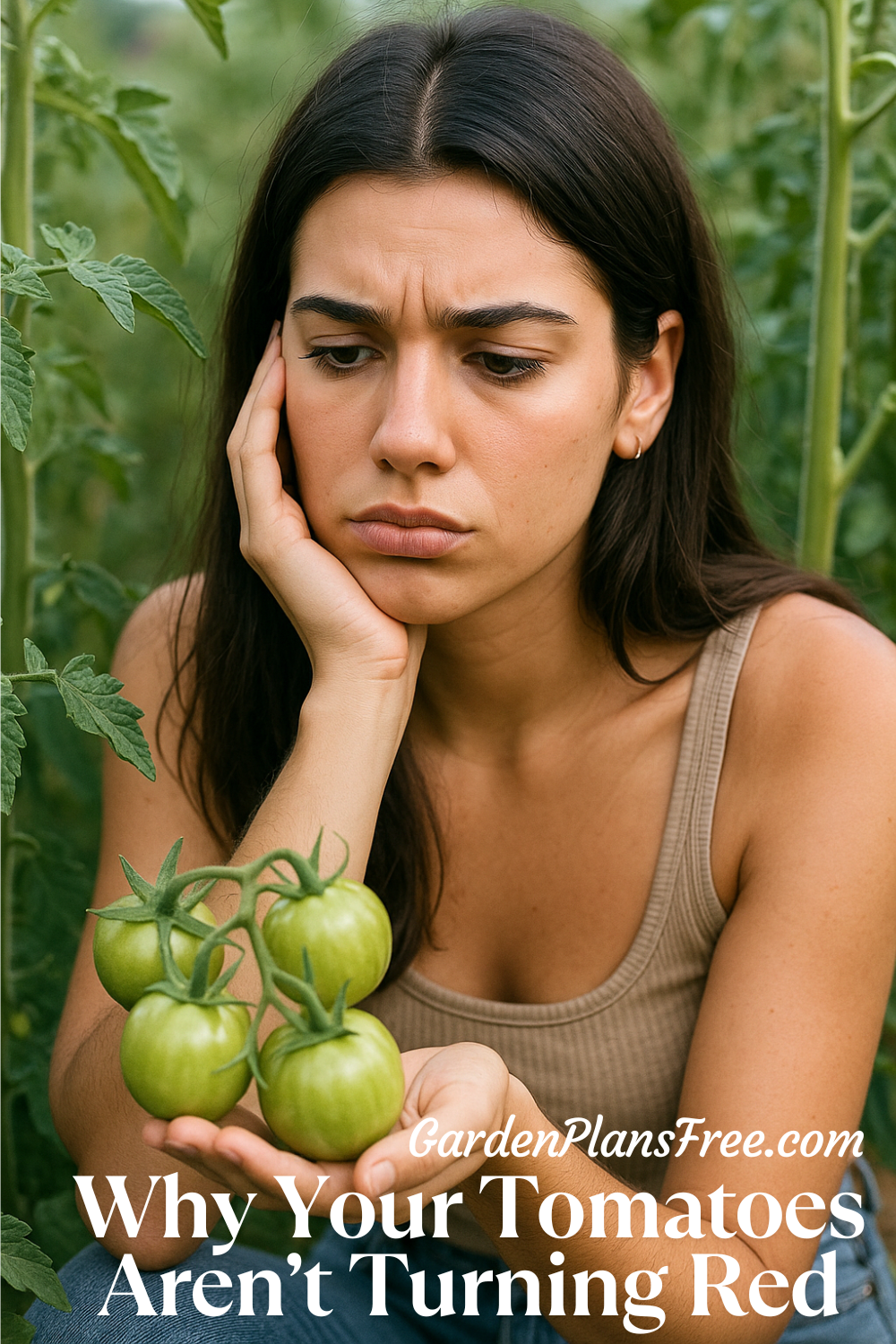
There’s nothing more frustrating for a home gardener than a tomato plant loaded with big, beautiful fruit that just… refuses to ripen. You wait. You water. You hover like a proud parent. But those green globes sit there, week after week, stubbornly clinging to their colorless stage, teasing you with promises of juicy, sun-ripened perfection. If you’ve been in this spot, trust me—you’re not the only one.
Tomato ripening can feel like a bit of a mystery, especially when everything else in your garden is cruising along just fine. But the good news is, it’s not some unsolvable riddle. Most of the time, there’s a clear reason behind the delay, and even better—there’s usually a simple fix.
Whether your tomatoes are holding out because of heat, stress, or just sheer tomato stubbornness, we’re going to walk through exactly what’s happening and how to help those fruits get moving. Because let’s be honest: nothing beats the taste of a vine-ripened tomato, and we’re going to make sure you get there—no guessing, no garden drama, just solid advice that works. Let’s dig in and get those tomatoes blushing red and ready for your table.
Understanding the Ripening Process
Before we jump into the “fixes,” it helps to understand what’s actually happening inside that green tomato. Ripening isn’t just a visual change—it’s a complex chemical process triggered by a natural plant hormone called ethylene. As a tomato matures, it starts producing ethylene gas, which acts like a signal to the fruit: “Time to ripen!” That signal sets off a cascade of changes inside the tomato—starches convert to sugars, acids mellow out, and chlorophyll (which keeps it green) breaks down as other pigments like lycopene and carotene take over. That’s what gives ripe tomatoes their rich color and signature flavor.
But—and here’s the kicker—this beautiful transformation only happens smoothly when environmental conditions are just right. If the plant is stressed, the weather’s too hot, or there’s something off in the soil, the ripening switch might not flip the way it should. Ethylene production can slow down or stall entirely, leaving you with full-size tomatoes that just… sit there. Bright green. Stubborn. And not a bit closer to sandwich-ready.
Understanding this process is key because it tells you one important thing: your tomatoes probably aren’t broken. They’re just waiting on the right cue. And once you figure out what’s holding them back, you can give them the nudge they need to finish the job.
Too Much Heat Can Stall Ripening
This surprises a lot of gardeners, but tomatoes actually don’t love extreme heat—at least not when it comes to ripening. Sure, they thrive in warm weather, but there’s a tipping point. When daytime temperatures climb consistently above 85°F (29°C) and nighttime temps stay above 70°F (21°C), the ripening process can come to a screeching halt. That’s because the key pigments responsible for turning your tomatoes red—lycopene and carotene—are sensitive to high temperatures. So even though your plants might look fantastic and be loaded with big, healthy green fruit, that intense heat can flip the switch to “pause” on ripening.
This doesn’t mean your tomatoes are ruined—it just means they’re waiting for conditions to improve. And they will. As soon as the weather cools down a bit and the plant feels less stressed, ripening will pick back up. If you’re gardening in a hot climate or in the middle of a summer heatwave, there is something you can do to help them along. Providing some mid-day shade using a piece of shade cloth, an old sheet, or a lightweight garden fabric can give your plants a break from the most intense heat and help the ripening process continue at a steady pace.
Think of it as giving your tomatoes a little afternoon siesta—they’ll be better for it, and so will your harvest. Keep them hydrated, reduce stress where you can, and be patient. The blush of red is coming.
Not Enough Light? That’s Not the Problem
Contrary to what a lot of folks assume, tomatoes don’t need direct sunlight hitting the fruit in order to ripen. What they do need is warmth and a healthy, well-functioning plant. The leaves are the powerhouses here—they’re the ones capturing sunlight and converting it into energy that fuels everything from root growth to fruit development. So as long as your plant is getting a good 6 to 8 hours of sunlight each day overall, you’re in the clear.
In fact, trying to expose the fruit to direct sun by pruning too many leaves or pulling back branches can do more harm than good. Too much sun on exposed tomatoes can lead to sunscald, which shows up as white or pale yellow patches that turn leathery and never quite recover. These spots don’t affect the flavor much, but they do reduce shelf life and make the fruit look less appealing.
So don’t stress if your tomatoes are tucked under the canopy of leaves—they’re doing just fine. Let the foliage do its job, protect the fruit from harsh rays, and keep the plant functioning at its best. Your tomatoes will ripen naturally when the conditions are right, no sunbathing necessary.
Excess Nitrogen Slows Things Down
If your tomato plants are towering, bursting with lush green leaves, and looking like the picture of health—but you’re still waiting on ripe fruit—you might be loving them a little too much. Overfeeding, especially with nitrogen-rich fertilizer, is a common culprit in this situation. Nitrogen is essential early on to build a strong, leafy plant, but too much of it later in the season encourages more foliage instead of focusing energy on flowering and ripening. So while your plant might look like it belongs on the cover of a gardening magazine, its fruit may be lagging behind schedule.
If this sounds like your setup, it’s time to ease off the high-nitrogen feeds and switch to a more balanced or potassium-rich fertilizer—something labeled for fruiting or blooming. Potassium supports the development and ripening of fruit, helping the plant shift its energy from growing leaves to finishing what it started.
Watering habits can also play a big role. Tomatoes like their moisture consistent, not excessive. Soggy soil can lead to root stress, which stalls fruit development and invites disease. Instead of daily sprinkles, water deeply and allow the soil to dry slightly between waterings. This encourages strong roots and helps the plant focus on ripening rather than surviving. Once the fruit starts to mature, careful watering becomes even more important—too much at the wrong time can even cause splitting.
In short: feed smart, water wisely, and give your plants the right kind of encouragement to stop showing off their leaves and start producing those ripe, juicy tomatoes you’ve been waiting for.
Your Tomatoes Might Just Need More Time
Sometimes, the issue isn’t with your plant—it’s with your patience. And believe me, we’ve all been there, staring at a fully loaded tomato vine wondering if those green fruits are ever going to get their act together. But here’s the thing: ripening takes time. Most tomato varieties need anywhere from 20 to 30 days after the fruit sets to fully ripen, and that’s under ideal conditions. Throw in weather fluctuations, day-length changes, or stress, and things can slow down even more.
Your local climate and the type of tomato you’re growing also play a big role. Smaller varieties like cherry or grape tomatoes usually ripen faster, while big beefsteak or heirloom types are known for taking their sweet time. If your tomatoes are still firm and green but starting to blush with a little color (what gardeners call the “breaker” stage), then congratulations—they’re officially on their way. At that point, even if they stay on the kitchen counter, they’ll continue to ripen just fine.
If the growing season is winding down or you’re staring down an early frost, don’t risk losing your whole harvest. Go ahead and pick any tomatoes that have reached the breaker stage and bring them indoors. Set them on a sunny windowsill, or if you’re trying to ripen a batch at once, tuck them in a paper bag with a ripe banana. The banana gives off ethylene gas—yep, the same natural ripening hormone tomatoes produce themselves—which helps speed the process along.
Will they taste exactly the same as a sun-warmed tomato picked at its peak? Probably not. But they’ll still be bursting with real tomato flavor and sweetness—something no store-bought tomato can compete with. So give your plants a little grace, and know that sometimes, good things really do come to those who wait.

Stressed Plants, Stalled Fruit
Tomatoes are hardy and determined plants, but even the toughest growers have their limits. When tomatoes get stressed—whether from drought, pests, overcrowding, or disease—they tend to shift into survival mode, and ripening drops down on their priority list. That’s why it’s important to keep your plants as healthy and comfortable as possible if you want those fruits to turn red on schedule.
Start with a quick garden walk every few days to check for common pests like aphids, whiteflies, and the notorious tomato hornworm. These guys can do serious damage before you even realize they’re there. Hand-picking, spraying with neem oil, or using insecticidal soap can help keep populations in check without harsh chemicals.
Equally important is airflow. Overcrowded tomato beds or plants with too much dense foliage can trap moisture, encourage disease, and leave ripening fruits in less-than-ideal conditions. Give each plant enough room to breathe, and don’t be afraid to prune. Removing a few non-fruiting suckers or yellowing leaves improves air circulation, directs energy to the fruit, and helps the plant stay focused on the finish line.
Healthy roots, stress-free leaves, and pest-free vines all add up to a plant that’s ready to get down to business. When your tomato feels safe and supported, it’s far more likely to ripen its fruit on time. So while tomatoes are indeed tough, a little TLC can go a long way in turning all that green into glorious red.
Final Thoughts: Don’t Give Up on Your Tomatoes
If your tomatoes aren’t turning red, don’t throw in the trowel just yet. It’s easy to get discouraged when your plants are heavy with fruit but nothing seems to be changing. But more often than not, the problem isn’t a mystery—it’s just a mix of heat stress, a little too much nitrogen, or simply the need for more time. Tomatoes are tough, but they’ve got their quirks. With a few small adjustments and a dose of patience, those stubborn green globes will start to shift into that deep, satisfying red you’ve been waiting for.
So hang in there. Stay consistent with your watering, ease up on the high-nitrogen feed, give your plants some afternoon shade if the heat’s relentless, and let the natural process unfold. Keep those leaves healthy, check for pests, and give your plant room to breathe. Remember, tomatoes operate on their own timeline—but when conditions are right, they’ll ripen beautifully.
And when that first one finally turns, when you slice into it and taste that warm, sweet flavor that only comes from a tomato grown by your own hands—yeah, it’ll all be worth it. That’s the kind of garden win that keeps us coming back season after season.