
Every gardener—whether you’re sowing your first seed or harvesting your hundredth season—needs a few trusty, go-to plants. These are the MVPs of the garden: low-maintenance, high-reward crops that thrive in a variety of conditions, deliver dependable yields, and make you feel like a pro even on your busiest days.
These aren’t the flavor-of-the-month plants that look good on social media but flop in real soil. These are the foundation-builders—plants that pull double duty in the garden by feeding your family, attracting pollinators, improving the soil, and boosting your gardening confidence. Whether you’re working with a small backyard, a few containers on a balcony, or a full raised bed setup, these garden staples deserve a permanent place in your growing space. They’re the kinds of crops that make your effort feel worth it, season after season.
So if you’re planning a new layout, fine-tuning your existing beds, or just looking for that “what should I always grow?” list—this one’s for you. Let’s dig into seven plants that every home gardener should have in their space—no matter your experience level or setup.
Tomatoes: The Heart of the Summer Garden
Tomatoes truly earn their crown as the royalty of the home garden. That burst of flavor from a sun-warmed tomato, fresh off the vine, is a game changer—and once you’ve tasted the real thing, it’s tough to go back to the bland supermarket version. From sweet cherry tomatoes to meaty paste types to juicy slicing giants, there’s a tomato for every palate, recipe, and growing condition.
They’re also a dream crop for DIY preservation. Roast and freeze them, make your own sauce or salsa, or dive into water-bath canning for a pantry full of summer even in the dead of winter. With just a handful of healthy plants, you can enjoy fresh tomatoes for months and keep the harvest going with savvy preserving techniques.
Tomatoes do ask for a few key things: plenty of direct sun (at least 6 to 8 hours a day), warm soil, and consistent moisture. But if you give them those basics—and support them with stakes, cages, or trellises—they’ll reward you with pounds of fruit and that classic garden-to-table satisfaction.
Don’t let the variety names intimidate you. Determinate tomatoes grow to a set size and produce most of their fruit at once—great for preserving. Indeterminate varieties keep growing and producing until frost, perfect for ongoing fresh eating. Heirlooms offer unbeatable flavor and charm, while hybrids often bring disease resistance and higher yields. Whether you’re gardening in a patio container or a sprawling raised bed, there’s a variety that will fit right in. In short, tomatoes are a cornerstone of any productive garden—and once you get the hang of them, they’ll likely become your favorite crop to grow, share, and savor.
Basil: Small Plant, Big Flavor
Basil and tomatoes go together like best friends—on your plate and in the soil. When planted near tomatoes, basil doesn’t just improve flavor combinations in your kitchen—it actually helps improve your garden’s health. Its aromatic oils naturally deter common tomato pests like aphids, hornworms, and whiteflies, acting like a living shield for your prized tomato plants. Some gardeners even swear that basil makes tomatoes taste better when grown side by side, thanks to the way they complement each other biologically and chemically.
Basil itself is a joy to grow. It loves warmth, well-drained soil, and full sun—but it also tolerates partial shade better than many herbs. That makes it a versatile pick whether you’re growing in a traditional garden bed, a raised planter, or even a sunny balcony pot. It germinates fast from seed, grows vigorously, and with regular pinching, can provide you with an endless supply of fresh leaves all summer long.
The trick to getting bushy, productive basil? Never let it flower. As soon as you see those flower buds forming at the tips, snip them off. That keeps the plant in growth mode, pushing out more flavorful leaves. If you want to dry some for winter use, wait until just before flowering—when the oils (and flavor) are at their peak.
In the kitchen, the possibilities are endless: from tossing a handful of chopped basil into your pasta sauce, to layering it fresh on a tomato sandwich, to blending it into a vibrant pesto. And don’t forget basil’s lesser-known uses—like steeping it in lemonade, freezing it in olive oil cubes, or making infused vinegars.
Basil isn’t just an herb—it’s a garden workhorse, a kitchen star, and one of the most rewarding plants you can grow. Once you have fresh basil on hand, you’ll wonder how you ever cooked without it.
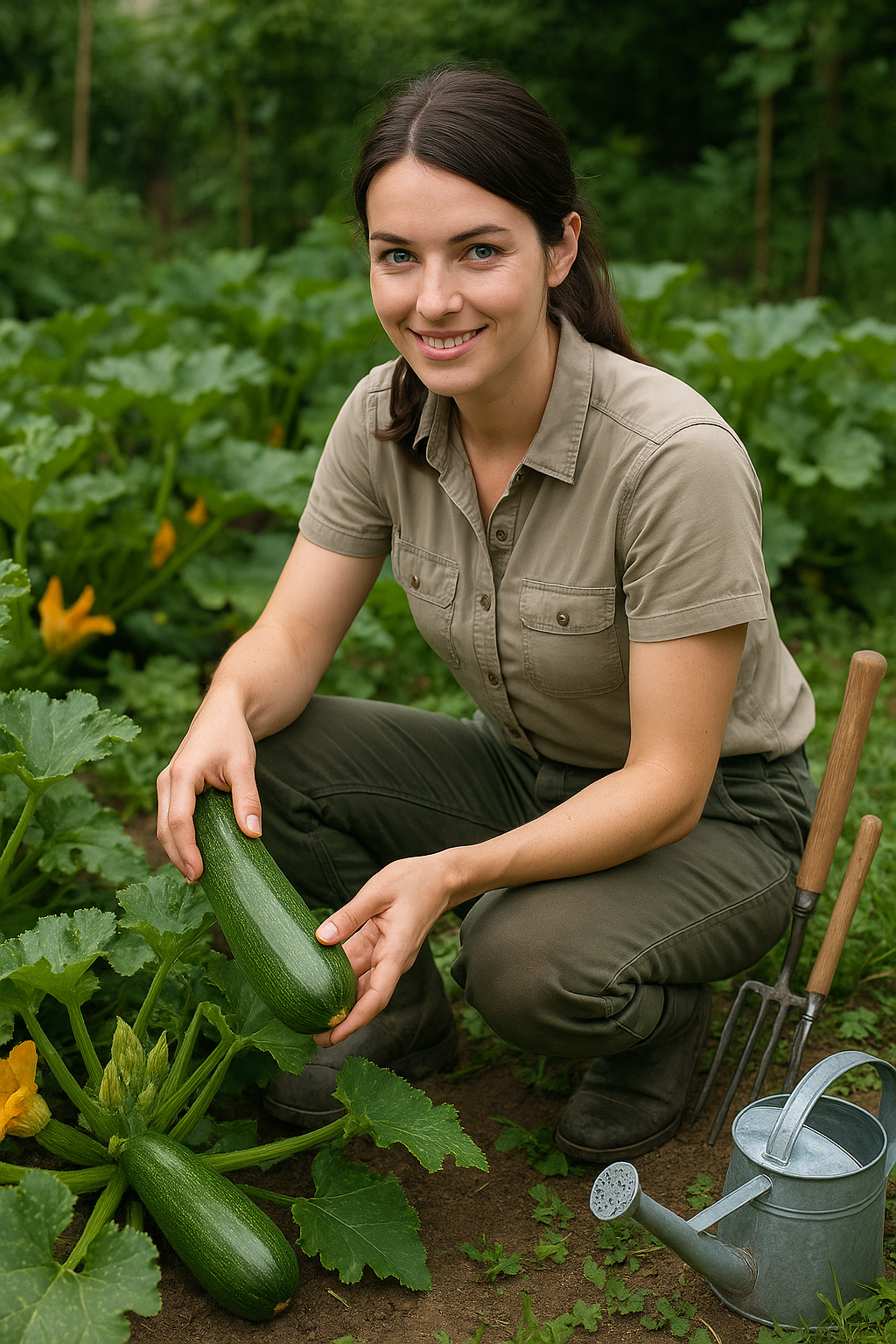
Zucchini: The Overachiever of the Garden
Zucchini is the poster child for abundance in the garden—and once it starts producing, you’ll wonder how just one or two plants can be so generous. It’s a dream for beginner gardeners because it grows fast, flowers early, and delivers fruit in what feels like no time at all. If you stay on top of harvesting, picking the squash when they’re about 6 to 8 inches long, the plant will reward you with more and more throughout the season.
One of zucchini’s best traits is its adaptability. It thrives in raised beds, in-ground gardens, and even large containers as long as it gets plenty of sun and consistent moisture. If you’re short on space, you can train zucchini to grow up a trellis or tomato cage with a little support. This not only saves valuable ground space but also improves airflow and keeps the fruit cleaner and less prone to rot.
Zucchini also brings a bit of extra magic with its flowers. Those large, golden blooms are not just pretty—they’re edible and a real treat in the kitchen. You can harvest the male blossoms (the ones without tiny fruit behind them), stuff them with cheese, dip them in batter, and fry them up for a garden-fresh appetizer that feels gourmet.
For best results, give your zucchini plants rich, well-drained soil and a good layer of mulch to retain moisture and suppress weeds. Pollination is key to fruit production, so attracting bees or giving the flowers a hand with a small paintbrush can help boost your harvest, especially in container gardens or small spaces.
Bottom line: zucchini is a high-reward crop that doesn’t ask for much. With minimal effort, you’ll enjoy an ongoing harvest of tender, flavorful squash—and probably have enough left over to share with neighbors.
Garlic: Plant Once, Enjoy All Year
Garlic is the definition of low-effort, high reward in the garden. Tuck a few cloves into the ground in fall, and nature does most of the heavy lifting. While your garden sleeps through winter, garlic is quietly establishing roots underground, ready to surge upward with the first signs of spring. By early to mid-summer, you’ll have a full crop of flavorful bulbs ready for harvest.
One of garlic’s secret superpowers is its ability to fit in almost anywhere. It doesn’t demand prime real estate—plant it around the edges of your raised beds or in unused corners. And unlike many crops, garlic actually thrives on a bit of benign neglect. Once it’s in the ground, it rarely needs watering unless conditions get especially dry.
Garlic is also a great team player in the garden. Its strong scent naturally repels aphids, Japanese beetles, and even hungry rabbits, making it an ideal companion for crops like tomatoes, carrots, and lettuce. It’s a quiet guardian of your vegetable patch, doing double duty without stealing the spotlight.
When it comes time to harvest, the payoff is satisfying and substantial. A well-cured garlic crop can store for six months or longer, and if you save a few bulbs back for replanting, you’ve got a self-sustaining cycle year after year. Plus, homegrown garlic is worlds apart from grocery store bulbs in flavor, texture, and variety—especially if you grow hardneck types, which also gift you with tender, edible garlic scapes in spring.
From effortless planting to long-lasting rewards, garlic is one of the smartest, most rewarding crops you can grow. Every garden—big or small—should make space for it.
Lettuce: Quick Wins and Continuous Harvest
Lettuce is the workhorse of the quick-and-easy garden. If you’re after fast results, compact growth, and repeat harvests, this leafy green is hard to beat. In just a few weeks after planting, you can be picking your first leaves—and with the right approach, you’ll be harvesting fresh salad for months.
What makes lettuce so efficient is its cut-and-come-again nature. Instead of pulling up the whole plant, just snip the outer leaves and let the center continue growing. This method stretches a single planting into multiple meals, especially with looseleaf and romaine types. It’s like having a mini salad bar growing right in your backyard.
Lettuce thrives in containers, garden beds, and even tight corners of your plot. It plays well with partial shade, especially during warmer months when direct sun can cause it to bolt. This makes it ideal for those working with less-than-ideal sunlight or looking to tuck in a few extra crops.
Another perk? The sheer variety. From the buttery softness of Bibb and the crunch of romaine to the frilly textures of red and green looseleaf types, you can mix and match for both flavor and visual appeal. Whether you’re growing it in spring, summer, or fall, succession planting every couple of weeks will keep your harvest steady and your kitchen stocked.
In short, lettuce is a garden MVP—fast, flexible, and incredibly satisfying for gardeners of all experience levels.
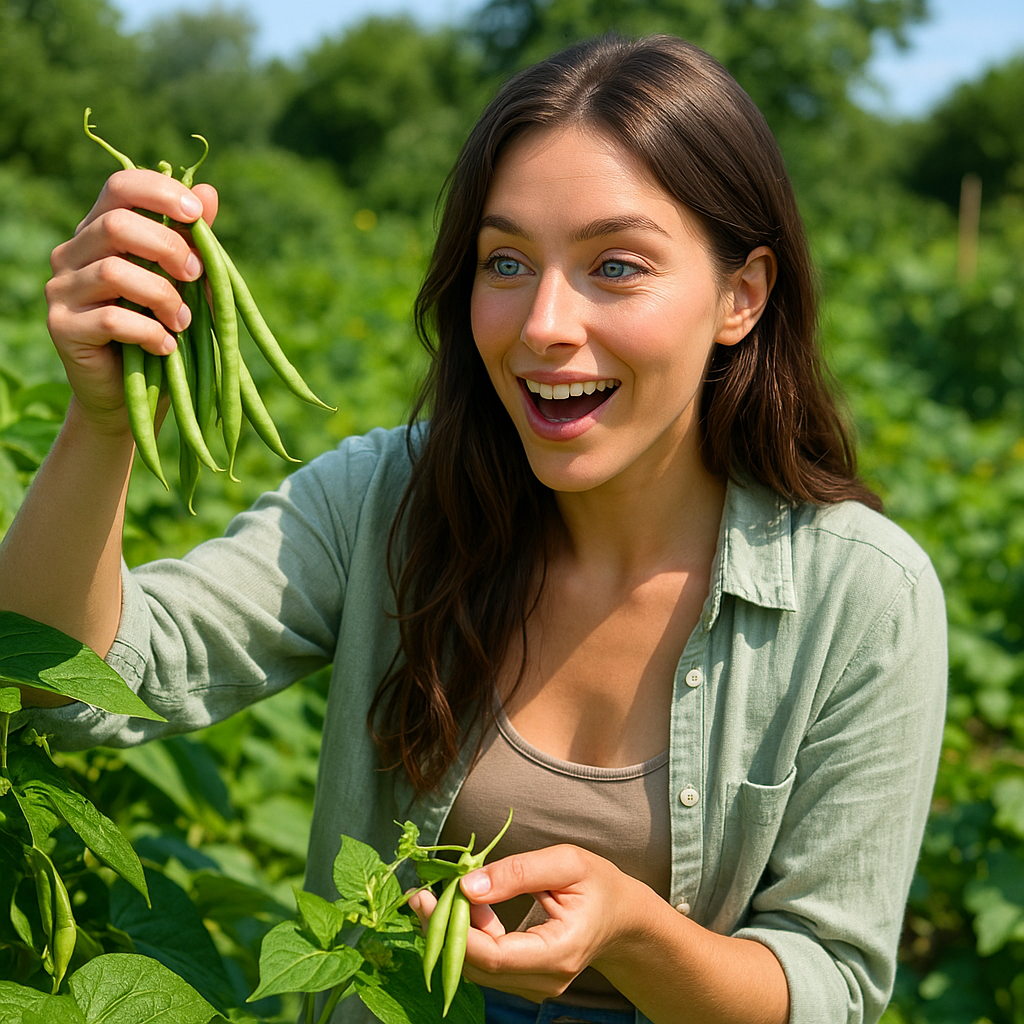
Green Beans: Productive and Low-Maintenance
Green beans are a must-grow for gardeners of all levels, but they’re especially rewarding for beginners. They’re quick to germinate, fast to grow, and require very little fuss to thrive. Whether you’re working with a raised bed, containers, or a backyard plot, green beans deliver great results without the complexity of more finicky crops.
If you’re growing bush varieties, they’ll stay compact, neat, and productive—perfect for small spaces and tighter layouts. Pole beans, on the other hand, grow upward and need some kind of support like a trellis, fence, or teepee. While they take a bit longer to mature, pole beans reward you with a longer harvest window and higher yields in vertical space.
One of the unsung benefits of growing green beans is what they do for the soil. As legumes, they naturally fix nitrogen in the ground through their root systems. That means they leave your soil richer and more fertile—an excellent setup for the crops that follow. It’s a win-win: great harvest now, better soil later.
Whether you’re picking crisp snap beans to eat fresh or growing longer heirloom varieties to cook or preserve, green beans are one of those staples that belong in every productive vegetable garden. They’re easy, dependable, and generous—exactly what you want from your space.
Marigolds: The Garden’s Secret Weapon
While not technically a vegetable, marigolds absolutely earn their spot in any edible garden. These vibrant, sun-loving flowers are more than just eye candy—they’re hardworking companions that help protect and support your vegetable patch. With their bold gold, orange, and yellow blooms, marigolds repel a range of common pests, including nematodes, aphids, and certain beetles. Their distinctive scent acts like natural camouflage, masking the aroma of nearby crops and confusing pests that would otherwise zero in on your tomatoes, peppers, or beans.
But marigolds don’t just deter the bad guys—they also invite the good ones. Their bright blooms attract pollinators like bees and butterflies, and they’re a favorite hangout for beneficial insects like ladybugs and lacewings, which feed on aphids and other garden troublemakers. This creates a more balanced, self-regulating ecosystem right in your own backyard.
Marigolds are also incredibly easy to grow. You can start them from seed or buy them as transplants, and they’ll bloom from early summer through fall with very little attention. They don’t mind poor soil, they’re drought-tolerant once established, and they make great fillers for bare spots between crops.
Think of marigolds as the cheerful security team of your garden—guarding your veggies from pests, boosting pollination, and adding a burst of color while they’re at it. Low-maintenance and high-reward, they’re the kind of garden helper you’ll want season after season.
Final Thoughts: Grow Smart, Harvest Happy
When it comes to gardening, not every plant has to be a gamble. Some plants just work—they’re consistent, productive, and helpful across a range of garden sizes and styles. The seven plants above aren’t just fun to grow, they’re the foundation of a thriving home garden.
If you’re looking to build a garden that gives back in real ways—through food, flavor, pest control, and joy—these are the plants you want in the ground, every time. Start with the basics, learn what works in your space, and grow from there. Gardening isn’t about perfection—it’s about planting with purpose and letting nature do the rest.