
Peppers are one of those garden crops that deliver big flavor and big satisfaction. Whether you’re into sweet, crunchy bell peppers or the heat of jalapeños, serranos, or habaneros, growing your own is easier—and more rewarding—than you might expect. The plants stay relatively compact, making them perfect for raised beds, garden rows, or even large containers, and once they get going, the harvests come in strong. Best of all, the flavor? It’s worlds apart from store-bought peppers. When you pick one fresh from your garden, it’s crisp, juicy, and packed with that unmistakable just-harvested snap.
And let’s not ignore their visual appeal—peppers are beautiful plants. With their glossy fruit and vibrant colors ranging from deep greens to reds, yellows, purples, and fiery oranges, they add a splash of excitement to any garden. Even if you’re short on space, a single pepper plant on a sunny balcony can be a showstopper.
The good news is that peppers don’t need any fancy, fussy tricks to thrive. With a few simple, time-tested techniques, you can grow stronger, healthier plants that produce more peppers all season long. These aren’t complicated hacks—they’re just solid gardening practices that work across the board, whether you’re a beginner planting your first bed or a seasoned grower looking to boost your harvest.
From getting the soil just right to knowing when to pinch, prune, or feed, there are some easy things you can do to set your pepper plants up for success. And once you’ve tasted the difference, there’s no going back. Let’s dig into what makes peppers such a standout crop—and how to grow them like a pro.
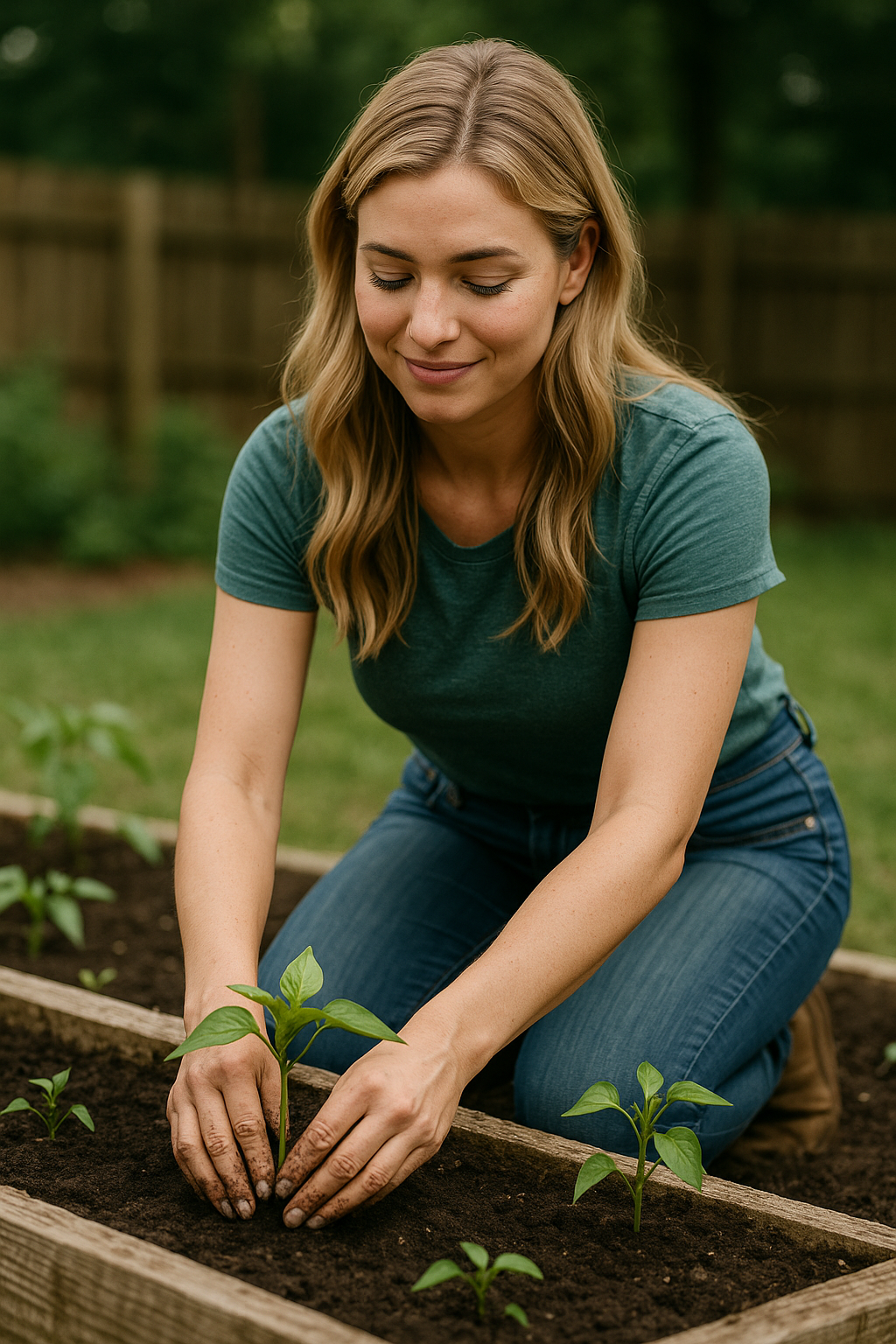
Start Peppers Right with Warm Soil and a Head Start
Peppers are warm-weather lovers through and through. These sun-chasers need heat to thrive, and they absolutely hate the cold—so timing is everything. If you’re growing peppers from seed, get them started indoors 8 to 10 weeks before your last expected frost date. They’re not the fastest germinators, so getting a head start indoors is the key to strong, productive plants later in the season.
Peppers germinate best in soil temperatures between 70°F and 85°F, and they can take anywhere from 7 to 21 days to sprout, depending on the variety and warmth. Using a heat mat under your seed trays can make a big difference here—it helps maintain a steady, toasty temperature that peppers love and speeds up the whole process. Just be patient. Peppers are notoriously slow to get going, but once they do, they’re totally worth the wait.
If you’re going the transplant route, either by buying seedlings or moving your own starts outside, hold off until the weather is truly on your side. Wait until nighttime temperatures consistently stay above 55°F and your soil has had time to warm up. Peppers planted too early in cold soil often get stunted or sulk for weeks, and once they’re shocked by cold, they don’t recover well. It’s one of those cases where waiting a week can lead to a better crop all season long. A little patience and the right temperature window go a long way with peppers. Give them heat, good soil, and a solid start, and they’ll reward you with colorful, flavorful fruits all summer long.
Pick the Sunniest Spot You’ve Got
Peppers thrive in full sun—they’re heat-loving plants that crave sunshine from the moment they hit the soil. To grow their best, they need at least 6 to 8 hours of direct sunlight each day. The more sun they soak up, the quicker they’ll grow and the more fruit they’ll set. In warm climates, they’ll take all the heat you can give them. In cooler regions, you might need to get creative—planting near a south-facing wall or fence can reflect extra warmth, creating a mini microclimate that helps your peppers thrive. You can also lay down black plastic mulch or dark-colored fabric to warm the soil and give them a little thermal boost early in the season.
But light and heat aren’t the only things peppers need—they also love good airflow. Crowding pepper plants can lead to stagnant, humid air that invites fungal problems and pests. To keep your plants healthy and productive, space them 18 to 24 inches apart, depending on the variety. This gives the leaves room to breathe, lets sunlight reach more parts of the plant, and makes it easier for you to water, mulch, and harvest.
That “elbow room” also encourages stronger growth and sturdier stems. Peppers that have space to stretch out tend to grow more balanced and upright, which means less risk of bending or breaking under the weight of their fruit. In short, peppers are sun-loving, heat-hugging plants—but they also appreciate breathing room. Give them light, warmth, and space, and they’ll reward you with a colorful, flavorful harvest all summer long.
Feed the Soil Before You Feed the Plants
Peppers don’t need super-rich soil, but they definitely appreciate a growing space that’s fertile, well-draining, and packed with organic matter. Think loose, crumbly soil that warms up quickly and holds moisture without getting soggy. Before planting, take a little time to work in compost or aged manure—this gives your peppers a strong start and keeps the roots happy as the season rolls on.
If you’re not sure about your soil’s pH, it’s worth doing a quick test. Peppers grow best with a pH between 6.2 and 7.0, which is right in the slightly acidic to neutral range. If your soil’s off, you can adjust it with a little lime (to raise pH) or sulfur (to lower it), depending on what you need.
Once your plants are established and start setting fruit, it’s time to back off the nitrogen and feed with intention. Too much nitrogen will give you lush, leafy plants that look great but produce few peppers. Instead, go for a balanced or phosphorus-rich fertilizer (something like 5-10-10 or 10-20-10) to support flowering and fruit development. A light application every 3 to 4 weeks during peak growing season is usually enough. You don’t need to overdo it—peppers are pretty efficient once they get going. Just a little support from good soil and well-timed feeding goes a long way toward growing strong plants loaded with colorful, flavorful fruit.
Keep Peppers Consistently Watered
Consistent moisture is key when it comes to growing healthy, flavorful peppers. They don’t like soggy soil, but they also hate going bone dry. Finding that middle ground—even, steady moisture—is what keeps your plants productive and your peppers sweet and crisp. One of the most common problems in pepper gardens is blossom end rot, which shows up as sunken, dark spots at the base of the fruit. That’s often the result of uneven watering and calcium uptake issues—not necessarily a lack of calcium in the soil, but poor delivery due to dry spells followed by heavy soaking.
To avoid that, aim to water deeply when the top inch of soil feels dry to the touch. Deep watering encourages roots to grow down instead of staying shallow near the surface, which helps the plant better handle heat and stress. Once your watering schedule is in place, add a layer of organic mulch—like straw, shredded leaves, or untreated grass clippings—around the base of each plant. Mulch helps retain moisture, regulate soil temperature, and cut down on weeds, making it easier to keep the soil evenly moist without constant watering.
If you’re growing in raised beds or containers, be extra mindful—they dry out faster than in-ground beds, especially during hot weather. A few missed waterings during a heatwave can really set your peppers back. In containers, check soil moisture daily, and don’t be afraid to water in the morning and again in the evening during extreme heat if the soil feels dry both times. Peppers are tough, but they love consistency. Keep the moisture levels steady, and your plants will reward you with better yields, fewer issues, and peppers that taste just right every time.
Support Your Plants and Prune with Purpose
Some pepper plants—especially heavy producers like bell peppers or banana peppers—benefit from a bit of support as they grow. While they’re compact compared to tomatoes, their branches can still get weighed down once those fruits start sizing up. A sudden wind or a heavy rain can snap a limb loaded with peppers. Using small stakes, tomato cages, or even bamboo supports can help keep the plants upright and prevent damage. The bonus? Supporting your plants also helps improve airflow, which reduces the risk of fungal issues and helps the sun reach more of the foliage.
When it comes to pruning, there’s no strict rulebook—it’s more about reading your plant and your garden conditions. Some gardeners like to pinch off early flowers to help the plant put more energy into developing a strong root system and leafy growth early on. That can lead to a sturdier, more productive plant later in the season. Others let the plant flower and fruit naturally from the start, especially if the growing season is short and every week counts.
If your peppers are getting tall and leggy, or if they’re stretched from lack of light, pinching back the growing tips can help. This encourages the plant to send out more side shoots and develop a bushier, more compact shape. Just don’t go too crazy—peppers don’t appreciate heavy pruning like tomatoes do. Over-pruning can delay fruiting or stress the plant unnecessarily.
The general rule? Support gently, prune lightly, and focus on encouraging healthy, steady growth. A little structure and a few thoughtful snips can go a long way in helping your pepper plants reach their full potential—without overcomplicating things.
Harvest Often to Keep the Fruit Coming
Peppers are one of those plants that reward you for paying attention. The more you harvest, the more they produce—it’s that simple. Once your peppers start ripening, keeping up with regular picking helps signal the plant to keep pushing out more fruit. Letting peppers linger too long on the plant—even if they’re still firm and colorful—can slow down production and leave you with fewer new blossoms and fruit.
As soon as a pepper reaches its mature size and intended color, whether that’s green, red, yellow, orange, or even deep purple, go ahead and harvest. Some gardeners prefer the milder flavor of green peppers, while others wait for them to fully ripen on the vine to get that extra sweetness and depth of flavor. Either way, once the pepper looks fully formed and its skin is glossy and firm, it’s good to go.
Always use sharp scissors or pruners to harvest. It might seem faster to just tug them off by hand, but that can cause unnecessary stress on the plant, especially with heavier or bushier varieties. Pulling can rip stems, snap branches, or even uproot smaller plants. A clean cut protects the plant and keeps it growing strong.
During peak season, it’s a good idea to check your plants daily. Peppers can ripen quickly in warm weather, and the more you pick, the more room the plant has to keep blooming. With a little attention and timely harvesting, you’ll keep your pepper plants productive and your kitchen stocked all season long.

Watch for Pests and Keep It Organic
Peppers aren’t quite as pest-prone as tomatoes, but they’re not immune, especially during stretches of hot, dry weather. That’s when you might spot some of the usual suspects—aphids, flea beetles, and spider mites—making an appearance. They’re small, sneaky, and can do a surprising amount of damage if left unchecked. The good news? Catch them early, and they’re usually easy to deal with. A strong blast of water from the hose can knock aphids right off, and a few applications of neem oil or insecticidal soap will take care of most soft-bodied bugs without harming your plants (or pollinators, if applied carefully in the evening).
The best line of defense, though, is always prevention. Good garden hygiene goes a long way—keep the area weed-free, don’t overcrowd your plants, and clear out any dropped leaves or debris where pests like to hide. Spacing your peppers properly also improves airflow, which keeps foliage dry and discourages disease.
If you notice your pepper plants looking a bit off—pale leaves, curled edges, or slow growth—don’t jump straight to pesticides. It’s easy to mistake a stressed plant for a pest problem. Often, these signs point to environmental stress like cold temps, dry soil, or nutrient imbalances. Peppers are sensitive to chillier nights, and they’ll sulk or curl their leaves if they’re not warm enough. On the flip side, underwatering during a heat wave can make them droop or look scorched. So before you treat, observe. A closer look can tell you a lot—and if it turns out to be something as simple as giving them a good drink or a little shade protection, your peppers will bounce back beautifully.
Final Thoughts: Homegrown Peppers Are Worth the Space
Whether you’re planting a row of sweet bells or a single habanero in a pot, peppers are one of the most satisfying crops you can grow. They don’t need much space, and with a little attention to timing, sunlight, and soil, you’ll get a steady stream of vibrant, flavorful fruit all season long.
Growing peppers like a pro doesn’t mean doing anything fancy—it just means giving your plants the right conditions and letting them do what they do best. So grab some seeds or starts, prep your garden bed, and get growing. You’ll be slicing into your first harvest before you know it. Since you are here, you can also take a look over my article on how to grow carrots like a pro.