
Let’s be honest—every gardener, whether brand new or seasoned with dirt under their fingernails, has grown a crop that ended up being more trouble than it was worth. It’s part of the learning curve. But if you’re looking to make the most of your garden space, time, and budget, there are a few vegetables that just don’t pull their weight.
This article isn’t about being negative—it’s about being smart. Some vegetables are better left to the professionals due to low yields, high maintenance, or how cheaply they’re available at the store. If you’ve only got a few raised beds, a sunny patio, or a small backyard plot, every square foot counts. Let’s talk about five vegetables that usually aren’t worth growing—and what you might consider planting instead.
Celery: The Garden Diva That Barely Delivers
Celery might be a kitchen staple, but it’s a real diva in the garden. It needs a long, cool growing season, perfectly consistent moisture, and rich soil loaded with nutrients to produce anything that resembles what you buy at the store. If that weren’t enough, celery is slow to germinate and highly sensitive to heat stress and cold snaps. Miss a watering or two, and you’re left with bitter, stringy stalks that are barely edible.
For most home gardeners, celery takes up valuable space and delivers very little reward. If you’re looking for a crunchy green to grow instead, go with Swiss chard or even romaine lettuce. They’re way more forgiving and still give you that satisfying crunch for salads and stir fries.
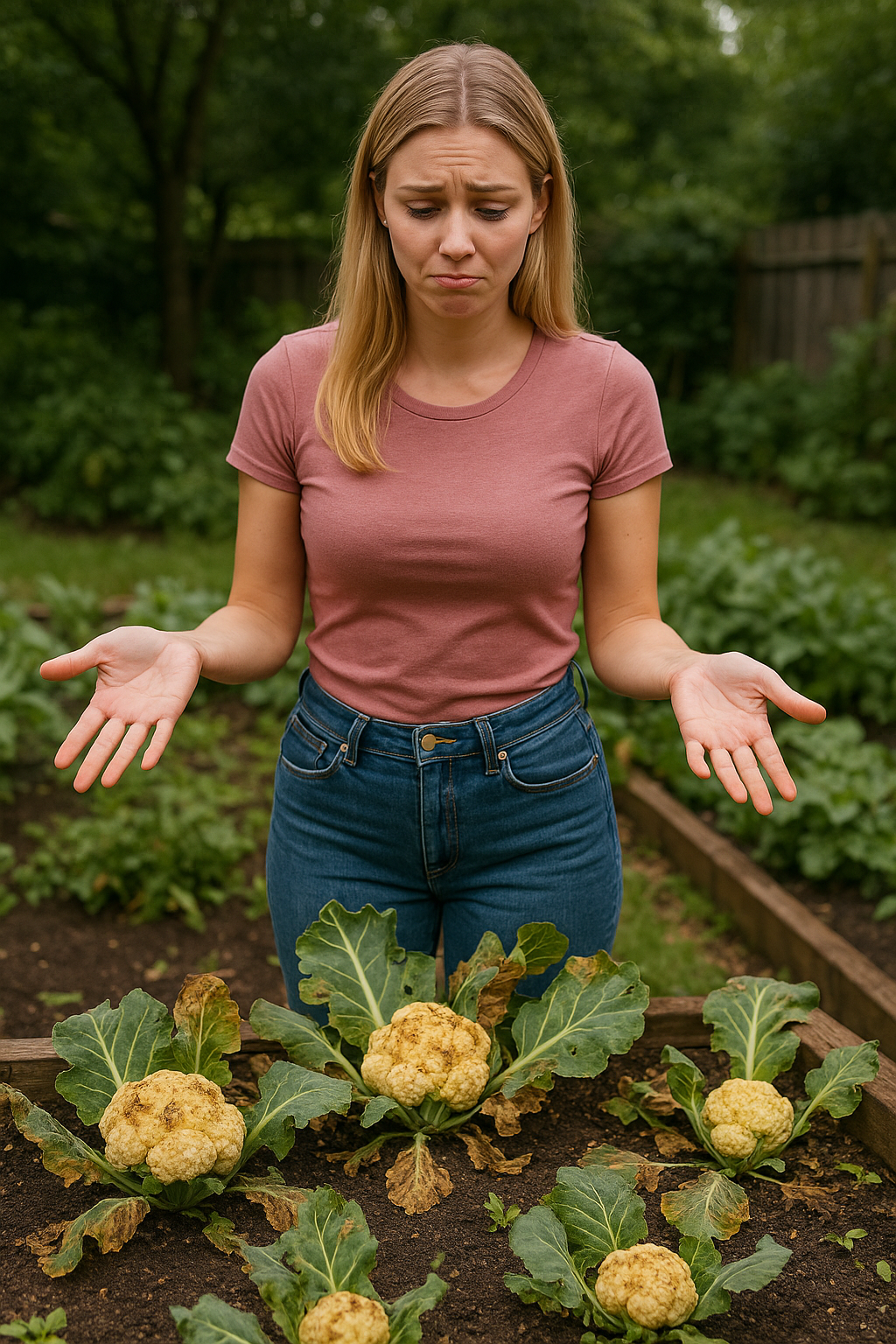
Cauliflower: A Drama Queen with Timing Issues
Cauliflower has a reputation for being one of the most finicky crops you can grow. It demands perfect timing—too hot or too cold, and it won’t form a head at all. Even if you do everything right, the head can turn brown, get loose and grainy, or bolt before it’s ready to harvest.
What’s more frustrating is how long cauliflower takes to grow, often hogging a garden bed for three months or more with only one head to show for it. That’s a lot of time and space for a single meal’s worth of food. Instead, consider broccoli, which grows under similar conditions but produces more reliably and offers side shoots for repeat harvests after the main head is cut.
Corn: A Space Hog That’s Better Bought
Sweet corn is delicious fresh from the stalk, no doubt about it. But in terms of backyard efficiency, it’s not a great investment. Corn needs a large block of plants (not just a few rows) to pollinate properly. That means dedicating a big chunk of your garden to a single crop—one that only gives you one or two ears per stalk.
Add in how much water and nitrogen corn needs to thrive, and it quickly becomes clear why commercial farmers grow it in fields, not beds. Unless you’ve got a lot of land or you’re doing it for the novelty, skip the corn and grow crops like bush beans or cucumbers instead—both offer high yields in small spaces and are much less needy.
Artichokes: Gorgeous but Not Practical
There’s something undeniably beautiful about an artichoke plant, with its tall silvery leaves and dramatic flower buds. But as a food crop? It’s tough to justify. Artichokes are perennials in mild climates and require a second year to produce in many places, especially if grown from seed. In colder zones, you’ll need to treat them as annuals or overwinter them indoors, which is a lot of effort for a crop that only gives you a handful of edible buds.
Artichokes also take up a lot of space for what they provide. If you love that architectural look in your garden, grow globe thistle or cardoon instead—both have similar foliage but are less fussy. For food, stick to something like zucchini, which produces like crazy and fits in most home gardens.
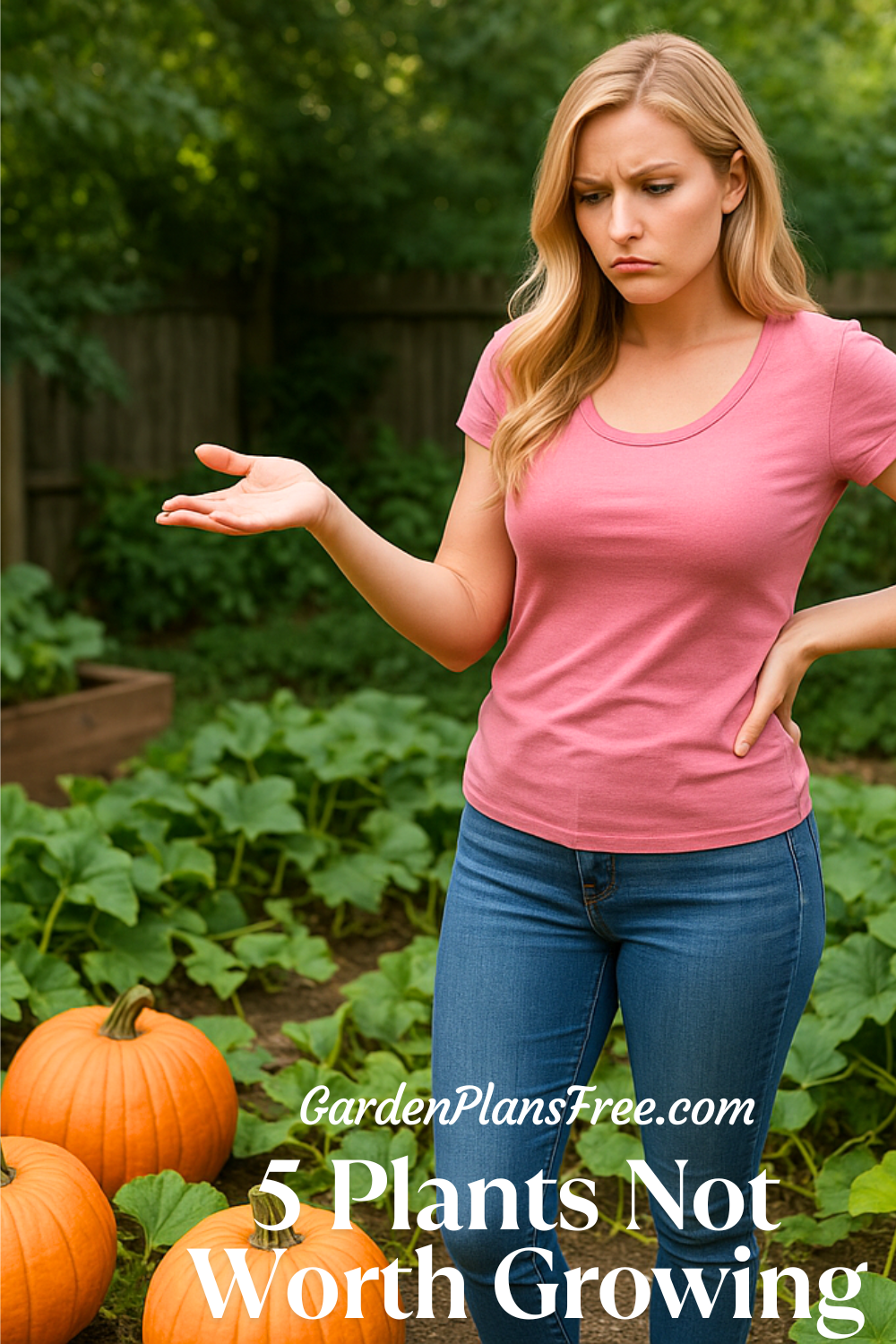
Pumpkins: Fun but a Sprawling Waste of Space
Pumpkins have a place in fall décor and childhood memories, but unless you’ve got a ton of room, they’re better left to the pumpkin patch. One pumpkin plant can easily take over half your garden with vines sprawling in every direction. And unless you’re growing a miniature variety, it’s likely to produce only a few large fruits after several months of growing.
Beyond their massive footprint, pumpkins are also heavy feeders and prone to pests like squash bugs and powdery mildew. If you’re limited on space, you’ll get far more food—and fewer headaches—by growing bush squash or even pole beans, which can be trained vertically to maximize your space.
Final Thoughts: Be Smart With Your Space
Growing vegetables is one of the most rewarding hobbies out there, but like any DIY project, it pays to know where your effort will have the biggest payoff. That doesn’t mean you should never grow celery or pumpkins—but if you’re working with limited garden space or you’re a beginner looking for solid wins, these crops might not be the best return on your investment.
Focus instead on vegetables that are easy to grow, give you continuous harvests, and thrive in your local conditions. You’ll get more produce, more satisfaction, and fewer headaches. And hey—there’s no shame in picking up a head of cauliflower or a few ears of corn at the farmer’s market instead.
The key to gardening success isn’t growing everything—it’s growing the right things for your space, your climate, and your goals. Now that’s a harvest worth digging into.