
If you’ve ever tried to dig into heavy clay soil, you know the struggle is real. It clings to your shovel like glue, clumps up into rock-hard chunks, and holds onto water so tightly that your plants feel like they’re growing in a swamp—or worse, drowning. But for all its stubbornness, clay soil does have some redeeming qualities. It’s naturally rich in minerals and holds nutrients better than sandy soil ever could. The problem isn’t that it’s “bad” soil—it’s just locked up tight and needs a little help to become garden-friendly.
The good news? You don’t need to bring in a backhoe or spend a bunch of money on fancy amendments. With some patience, a bit of physical effort, and the right organic materials, you can transform your heavy clay into loose, crumbly, fertile soil that actually wants to grow things. It’s not an overnight fix, but it is doable—and budget-friendly. Whether you’re prepping a vegetable bed or trying to coax flowers out of your backyard clay pit, the path to better soil is right under your feet. Let’s walk through how to unlock your clay soil’s potential without breaking the bank.
Understanding What Makes Clay So Challenging
Clay soil is made up of incredibly fine, tightly packed particles that don’t leave much room for water, air, or roots to move around. That’s why it turns into a soggy mess when it rains and then dries out into a surface that feels like sunbaked brick. It holds water too well when you don’t want it to, and not well enough when you do. Roots struggle to penetrate it, and even well-intentioned watering often ends up pooling on top instead of soaking in. It’s no wonder gardeners get discouraged.
But here’s the encouraging part—clay soil isn’t hopeless. In fact, it’s often packed with minerals and nutrients that plants love. The problem isn’t that it’s “bad”—it’s that it’s missing the structure and balance that make it work. Think of clay like a dense batter that needs to be lightened up. Add the right ingredients—organic matter, air pockets, natural soil life—and suddenly, it transforms. What once seemed like stubborn, unworkable ground starts to feel alive and productive.
So if your garden is rooted in clay, don’t fight it. Work with it. With the right techniques, you can turn compacted beds into thriving, rich soil that supports deep roots, drains well, and grows healthy plants without breaking the bank—or your back.
Start with Organic Matter—Lots of It
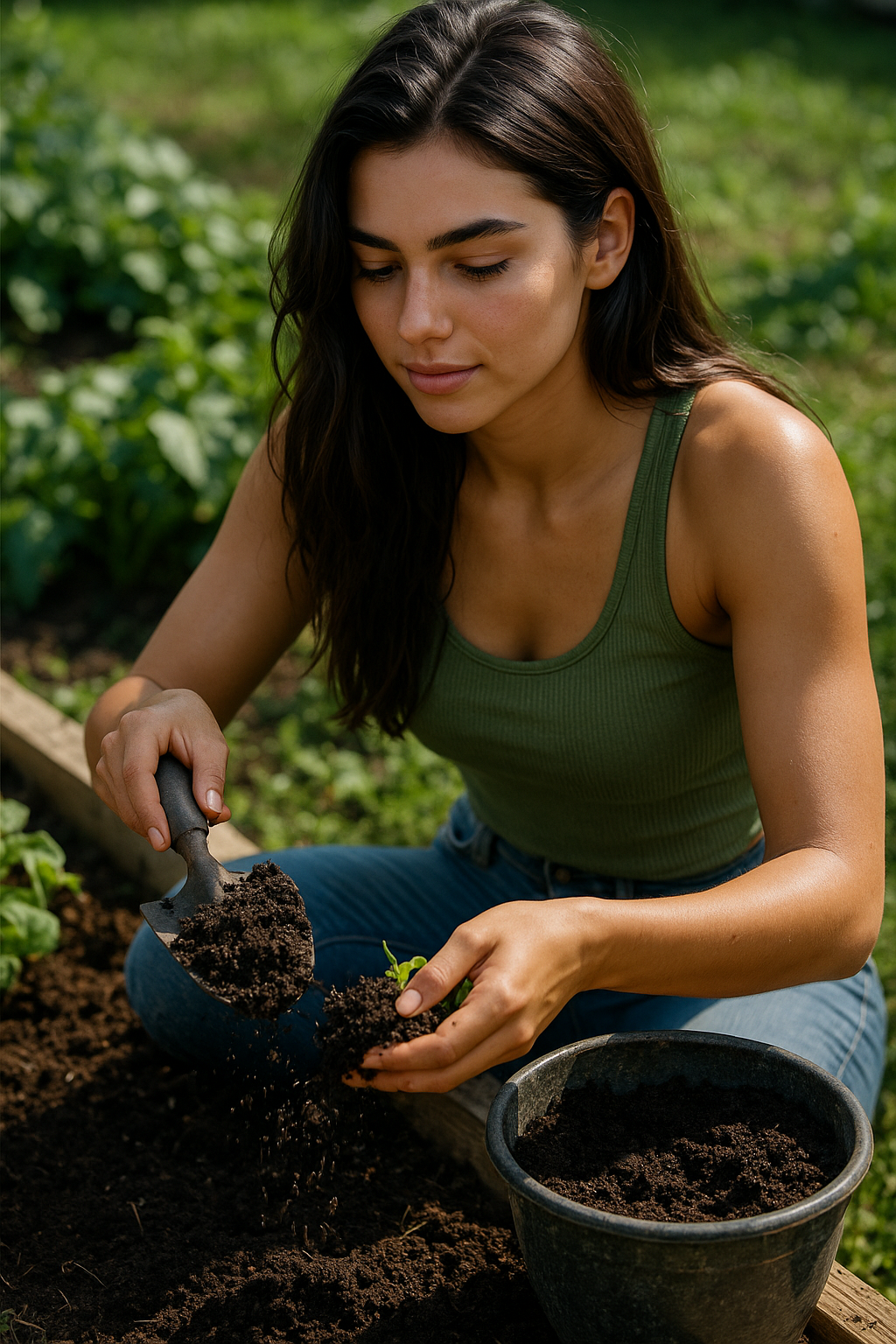
One of the most affordable and effective ways to improve clay soil is to add organic matter—and keep adding it over time. Think compost, leaf mold, shredded leaves, aged manure, grass clippings, or even well-composted kitchen scraps. These materials are more than just “waste”—they’re the building blocks of healthy soil. When mixed into heavy clay, organic matter breaks up those tight particles, introduces airflow, improves drainage, and starts building that rich, crumbly structure plants love to sink their roots into.
Fall is hands-down the best time to start this process. That’s when leaves are abundant, compost piles are full, and the soil is still warm enough for microbes and worms to do their thing. But if you’re reading this in spring or summer, don’t wait—any time the soil isn’t frozen or waterlogged is a good time to amend. Just rake back the top layer of soil, lay down a generous 4 to 6 inches of organic matter, and gently work it in with a broadfork, garden fork, or hoe. You don’t need to dig deep or break your back—just blend it into the top few inches where roots and soil life are most active.
Avoid over-tilling. While it might feel productive, aggressive tilling can destroy the delicate web of fungi and microorganisms that help soil heal and improve. Your goal is to feed the soil—not fight it. With each passing season, all that added organic matter will do its quiet work beneath the surface, turning your sticky clay into rich, workable garden soil. It’s low-cost, low-tech, and incredibly effective.
Skip the Sand—Go With Patience Instead
It might seem logical to mix sand into clay soil to “loosen it up,” but this is one of those gardening shortcuts that backfires more often than not. Without the perfect ratio—and we’re talking a very high volume of sand—mixing it with clay can actually make things worse. Instead of lightening the soil, you can end up with a dense, cement-like texture that’s even harder for roots and water to penetrate. It’s like turning your garden bed into a brick-making factory—not exactly what your veggies or flowers are looking for.
The smarter, long-game approach is to stick with organic matter. Lots of it. Think compost layering, season after season. Every time you add a fresh layer of compost, shredded leaves, or aged manure, you’re feeding the soil and slowly changing its structure from the top down. Earthworms, microbes, and fungi will move in and start mixing it for you naturally—no jackhammer required. Over time, you’ll feel and see the difference: looser texture, better drainage, fewer puddles, and roots that spread like they actually enjoy being there.
So skip the sand, save the frustration, and focus on building your soil the right way. It takes a bit of patience, but real garden success doesn’t come from quick fixes—it comes from working with your soil, not against it.
Use Cover Crops to Break It Up Naturally
If you’ve got a patch of clay you’re not quite ready to plant—or maybe it’s just too stubborn to tackle right now—let nature start the work for you. Planting cover crops, also known as green manure, is one of the easiest, most budget-friendly ways to improve clay soil without lifting a shovel. These crops aren’t grown for harvest—they’re grown to heal your soil from the inside out.
Deep-rooted cover crops like daikon radish, winter rye, and clover are especially helpful in clay. They send roots deep into compacted ground, naturally breaking it up and creating air channels that improve drainage. At the same time, they protect the soil surface from erosion and add valuable organic matter as they grow. And when you’re ready to prep the bed for planting, all you have to do is mow them down or lightly till them under. As they decompose, they feed the soil with nitrogen and other nutrients, giving your future plants a serious head start.
It’s a simple way to let your soil improve while you focus on other parts of the garden—or take a season off. With cover crops in play, your clay soil is quietly getting better beneath the surface, ready for action when you are. And the best part? It costs next to nothing and saves you the effort of hauling in extra amendments. That’s a win for your soil and your back.
Mulch Now, Dig Later
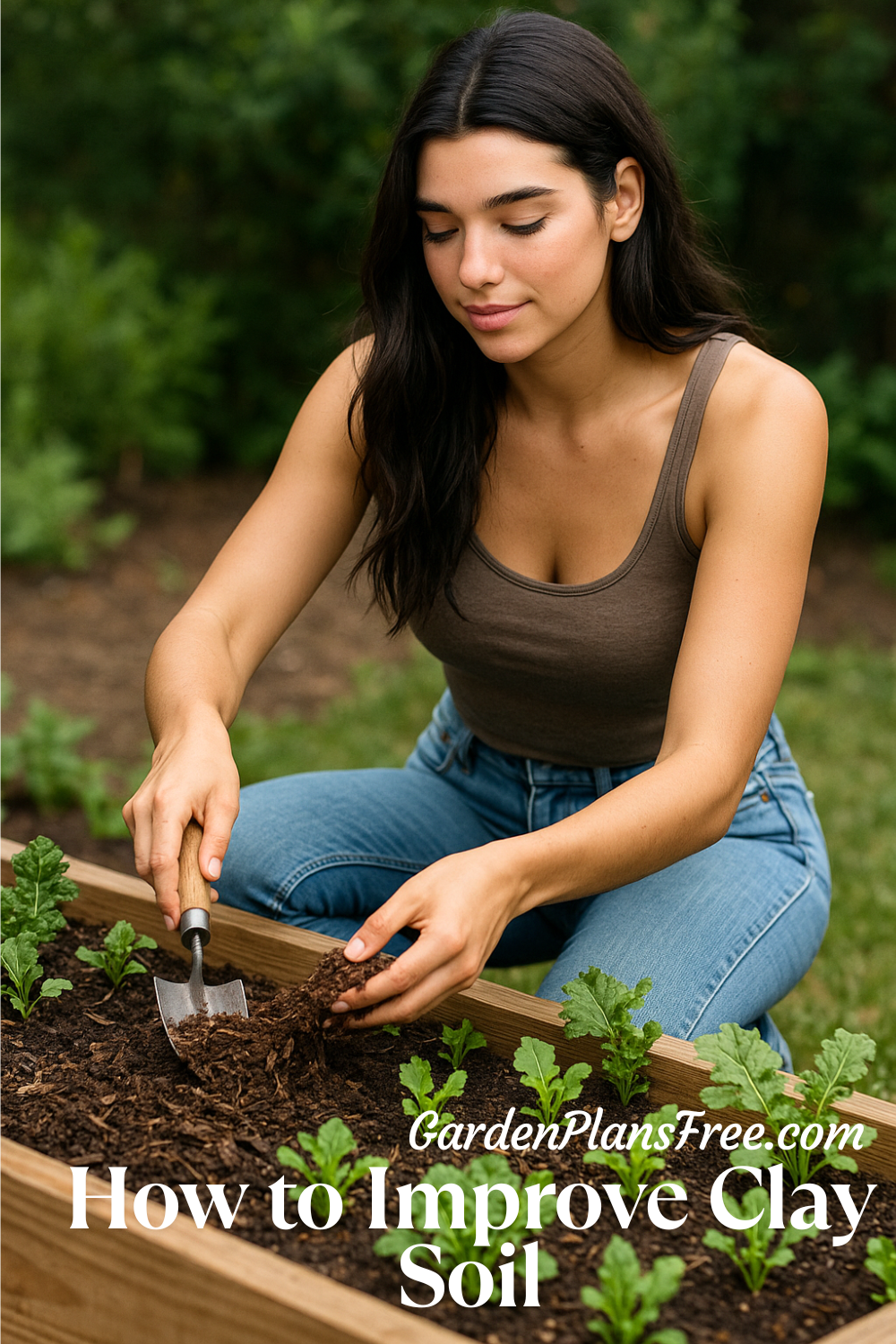
If digging into clay feels like a never-ending wrestling match, it might be time to take a different approach—one that doesn’t involve breaking your back. Instead of trying to fight the soil, mulch your way to better conditions. Laying down a thick layer of organic mulch—like wood chips, straw, or shredded leaves—on top of your garden beds is one of the simplest and most effective ways to improve clay soil over time. You’re not just covering the surface—you’re starting a quiet, steady transformation from the top down.
As that mulch breaks down, it feeds soil organisms like earthworms, fungi, and beneficial microbes that go to work loosening the soil and adding structure naturally. These underground helpers create channels for air and water, helping your clay become more crumbly, fertile, and alive. Over time, this process builds a dark, rich layer of humus right at the root zone—without you ever picking up a shovel.
For an even bigger impact, lay down cardboard or newspaper under the mulch. It smothers weeds, holds moisture, and helps kickstart the breakdown of compacted topsoil. The worms love it, the weeds hate it, and your plants will benefit from it. It’s a lazy gardener’s dream: low-cost, low-effort, and big on long-term results. No digging. No hauling bags of soil. Just steady, natural improvement every time it rains or you water.
Stick With It—Clay Gets Better Over Time
Improving clay soil isn’t a one-and-done weekend project—it’s a gradual process, but one that delivers real, lasting rewards. Every time you add a layer of compost, sow a cover crop, or blanket your beds in mulch, you’re nudging your soil in the right direction. With each season, the structure gets a little looser, the drainage gets a little better, and your plants dig in a little deeper. The transformation is slow, but steady—and absolutely worth the effort.
The best part? You don’t need to pour money into fancy amendments or rent out machinery. Clay soil doesn’t need to be “fixed” with drastic measures. It just needs to be fed—consistently and naturally. With a bit of strategy, some free or low-cost organic materials, and a healthy dose of patience, you’ll turn that sticky, stubborn patch of earth into a thriving, productive garden.
So don’t throw in the towel. Don’t curse your soil and walk away. You’ve got what it takes to change it. Keep building layer by layer, season by season. Trust the process. Because you’re not just working the ground—you’re building a foundation for everything that grows from here forward. And that, friend, is how you turn clay into gold.