
If you’re dreaming of a garden that stays vibrant all summer—without the constant cycle of deadheading, replanting, and wondering why things stopped blooming—then you’re in the right spot. Let’s be real: summer is short enough without having to babysit flowers that fizzle out by mid-July. What you want are the workhorses. The bloomers that don’t quit. The all-summer-long MVPs that give your garden that nonstop burst of color, charm, and pollinator magic.
Summer-blooming flowers are the real backbone of any sunny garden. Whether you’re going for a bold cottage-style border, a neat container display on the porch, or just trying to draw in more butterflies and hummingbirds, these flowers earn their keep. They power through heatwaves, laugh in the face of drought (most of them anyway), and just keep blooming with minimal effort on your part.
The best part? You don’t need to be a seasoned green thumb to make it happen. Whether you’re just starting out or you’ve been at this for years, adding a few of these unstoppable summer bloomers is the fastest way to get a lush, colorful garden that turns heads and lifts spirits.
So grab your gloves, top off that iced tea, and let’s talk about five tried-and-true flowers that bloom all summer long. These beauties will keep your garden looking fresh, full, and fabulous—even when the thermometer is working overtime and your energy isn’t. Since you are here, you should also take a look over my article on 7 tip to grow perfect lavender in your garden.
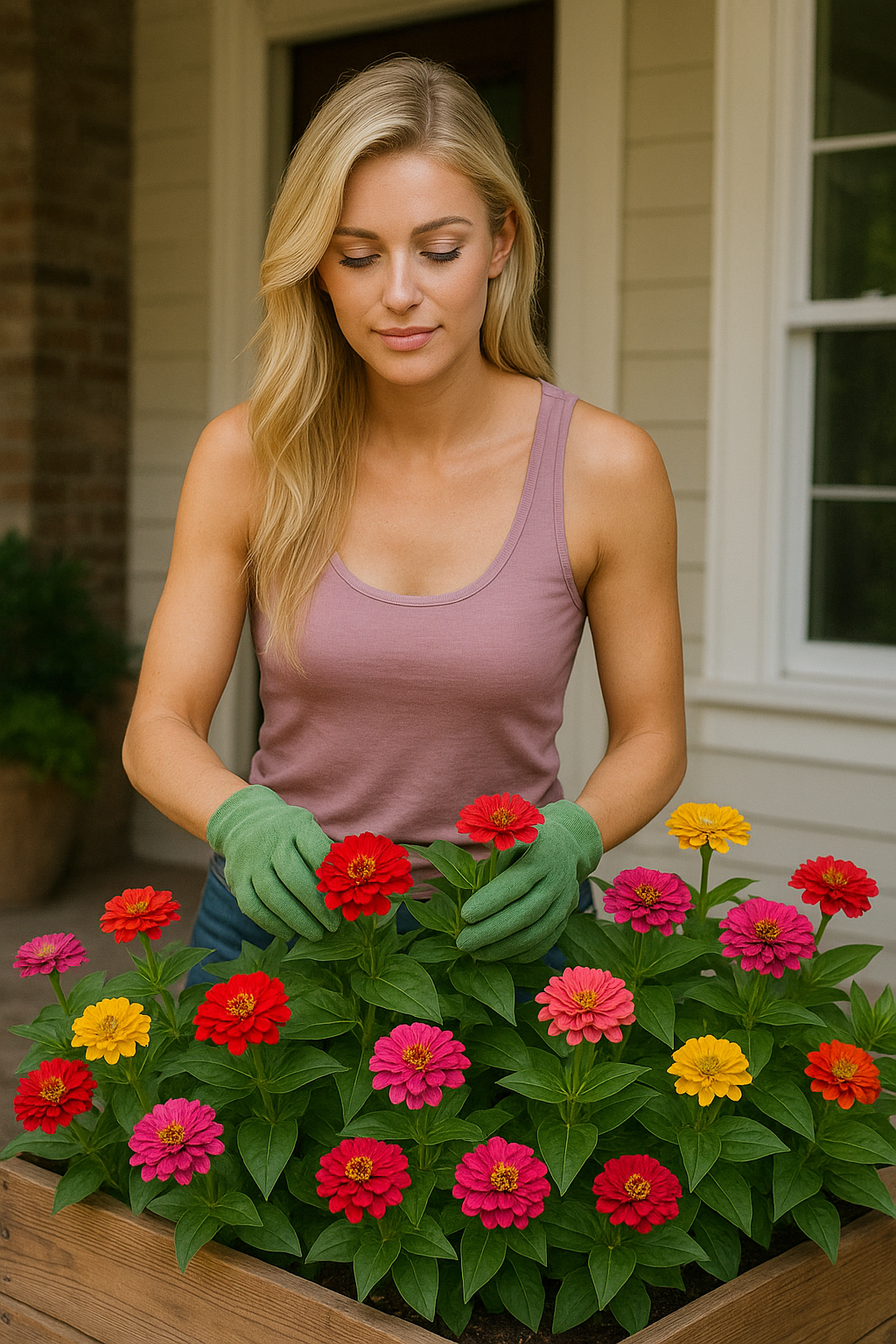
1. Zinnias: The Easygoing Powerhouse
Zinnias are like that friend who’s always down for anything—sun, heat, poor soil, neglect—you name it, they can handle it. These annuals are practically made for summer. Once they start blooming in early summer, they don’t stop until the first hard frost rolls in. If you want low-maintenance color that delivers big impact, zinnias are a no-brainer.
One of the best things about zinnias is their incredible variety. You’ll find them in almost every color imaginable: firetruck reds, citrusy oranges, bubblegum pinks, soft lavenders, even lime greens and bicolored blends that look like something out of a painter’s dream. Whether you’re going for a soft cottage vibe or a bold, tropical palette, there’s a zinnia for you.
Zinnias absolutely thrive in full sun and well-draining soil. While they appreciate a good soak every now and then, they’re surprisingly drought-tolerant once established. And they’re not needy about nutrients either—just plant them, give them a little compost, and they’re good to go. That’s why they’re so popular with beginner gardeners and seasoned pros alike.
Want even more blooms? Deadheading—removing spent flowers—is the trick. It encourages the plant to focus its energy on producing more flowers instead of seeds. But here’s the kicker: even if you’re the forgetful type (we’ve all been there), zinnias won’t hold it against you. They’ll keep blooming anyway, just maybe not quite as enthusiastically.
And let’s talk pollinators. Bees, butterflies, and even hummingbirds can’t get enough of zinnias. Plant a patch of them and your garden will become a buzzing, fluttering haven. They also make excellent cut flowers, with long-lasting blooms that look just as good in a mason jar on your kitchen table as they do in the garden.
In short, zinnias are the definition of summer joy. Bright, reliable, and wildly rewarding, they’re a staple in any full-sun garden that aims to bloom big and bold all season long.
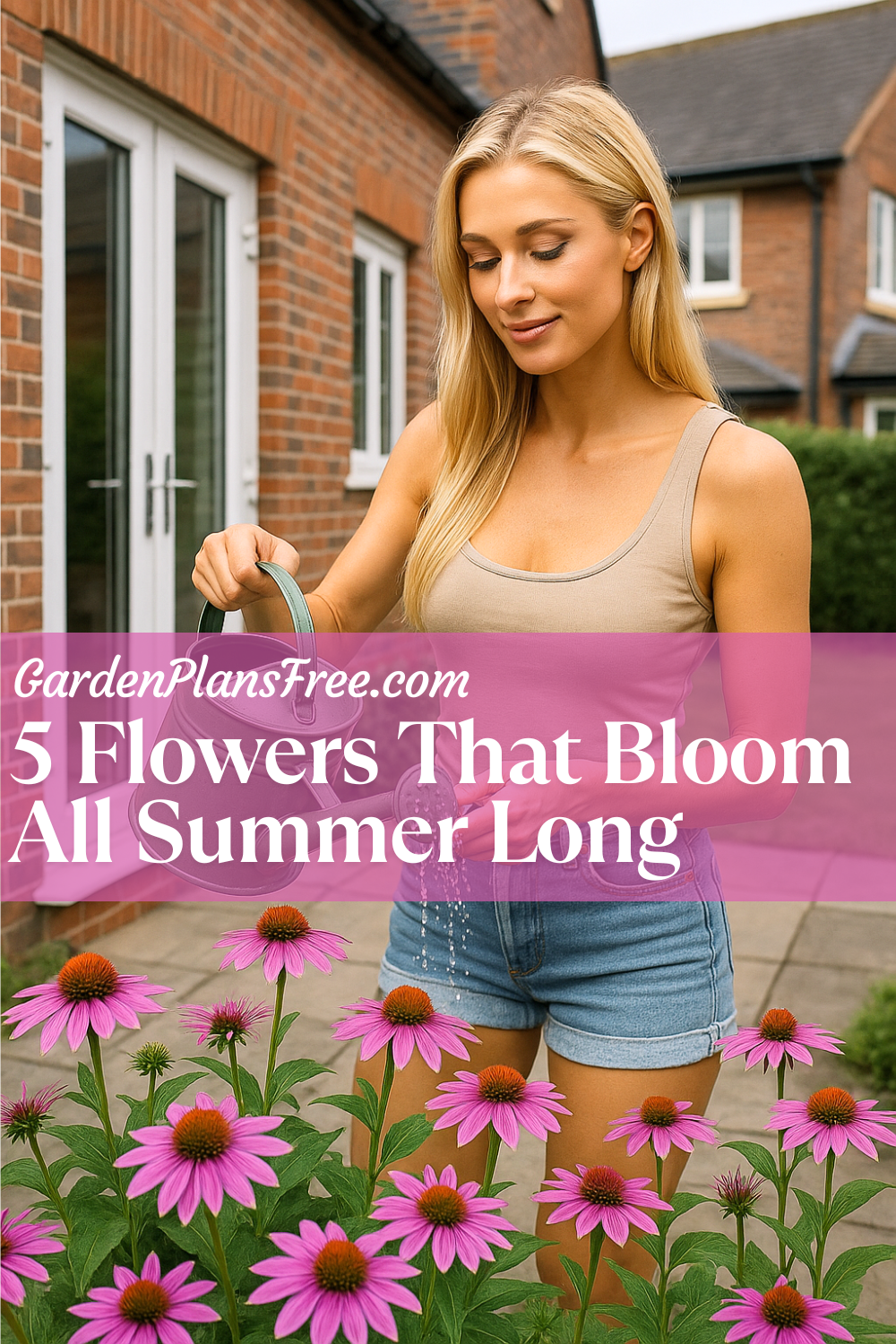
2. Coneflowers: Tough, Native, and Beautiful
If you’re looking for something a little more perennial and a whole lot less fussy, coneflowers (Echinacea) are a garden essential. These native North American wildflowers are built for long, hot summers and thrive in just about any sunny backyard. They bloom from late spring through early fall, giving you months of vibrant color with practically no maintenance. Honestly, once they’re in the ground and settled, they pretty much take care of themselves.
Coneflowers are famous for their daisy-like shape, raised central cones, and petal colors that typically range from soft lavender-purples to rich magentas and dusky pinks. But plant breeders have been busy, and now you can find them in bold yellows, fiery oranges, creamy whites, and even multi-toned varieties that look like they came straight out of a seed catalog dream. Whether you’re planting a naturalistic meadow garden or a clean, modern flower bed, there’s a coneflower to fit the look.
One of the biggest reasons gardeners love coneflowers? They’re seriously tough. Once established, they’re drought-tolerant, thrive in poor soil, and don’t flinch at summer heat or humidity. They’re also deer-resistant—which, if you’ve ever had your flower beds nibbled overnight, you know is a huge plus. And if you’re looking to support wildlife, you’re in luck. Bees and butterflies adore the nectar-rich blooms, and once the flowers go to seed, goldfinches and other birds will come flocking in.
Coneflowers are also a team player in the garden. They pair beautifully with ornamental grasses, black-eyed Susans, yarrow, and other drought-tolerant perennials. You get a layered, intentional look without having to constantly prune, water, or fertilize. Plus, they have that magic quality of making a garden look curated but never too polished—like you’re a seasoned gardener who knows exactly what you’re doing, even if you’re still figuring things out as you go.
Another bonus? They’re perennial. Plant them once and enjoy bigger, bolder blooms year after year. Divide them every few seasons if they get crowded, and you’ve got free plants to spread the joy around. Coneflowers are one of those plants you’ll end up wondering how you ever gardened without.
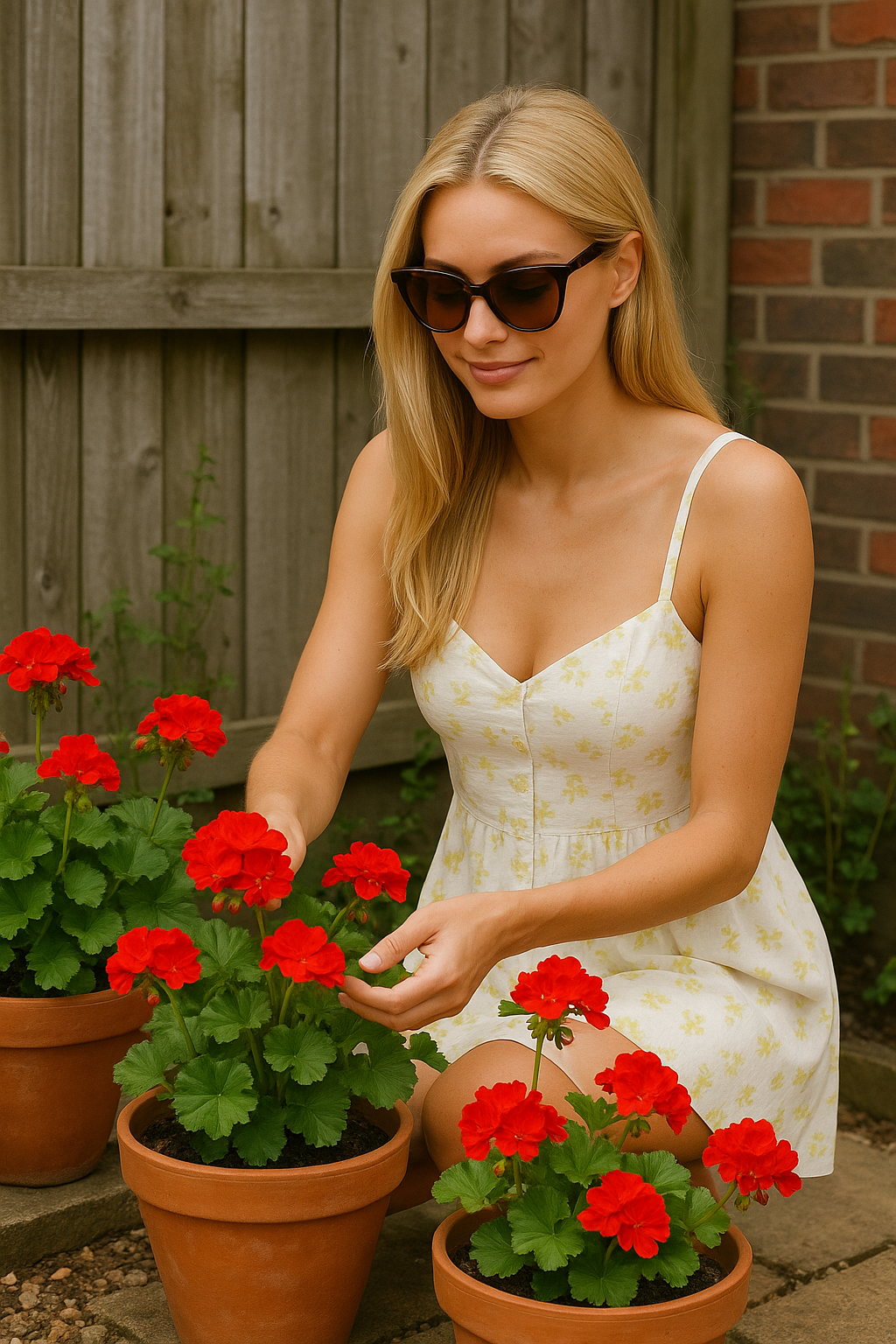
3. Geraniums (Pelargoniums): Container Royalty
Don’t confuse these beauties with hardy perennial geraniums (sometimes called cranesbills). What we’re talking about here are the showy, big-blooming geraniums you see bursting out of window boxes and patio pots every summer—officially called Pelargoniums. These tender perennials are often treated as annuals in cooler climates, but their long-lasting, vibrant blooms make them worth planting year after year.
Pelargonium geraniums are the real deal when it comes to continuous color. Once they get going in late spring, they’ll keep blooming straight through until the first frost, especially if you give them a sunny spot and a bit of love. Just a biweekly feeding with a balanced flower fertilizer and the occasional drink during dry spells is enough to keep them going strong. They thrive in containers, which makes them perfect for balconies, patios, porches, or even as eye-catching accent plants tucked into flower beds.
One of their biggest perks? Heat tolerance. While other flowers might droop or fade in the midsummer sun, geraniums handle the heat like pros. And unlike many delicate ornamentals, they’re rarely bothered by pests—making them a solid, stress-free option for both beginner and seasoned gardeners. They’re also relatively low-maintenance. Snip off the spent blooms and leggy stems to encourage fresh growth, and your geraniums will stay full and flower-packed all season.
You’ll find them in a range of bright, classic colors: bold reds, crisp whites, deep purples, soft pinks, and even bicolors. Some varieties have variegated or scented foliage too, adding even more interest. Whether you’re going for an old-world cottage look or something clean and modern, geraniums bring texture, color, and cheer in a way few other flowers can match.
So if you’re short on space but big on color, geraniums might just be your summer soulmate. They’re forgiving, flexible, and guaranteed to light up any outdoor space with nonstop blooms all season long.
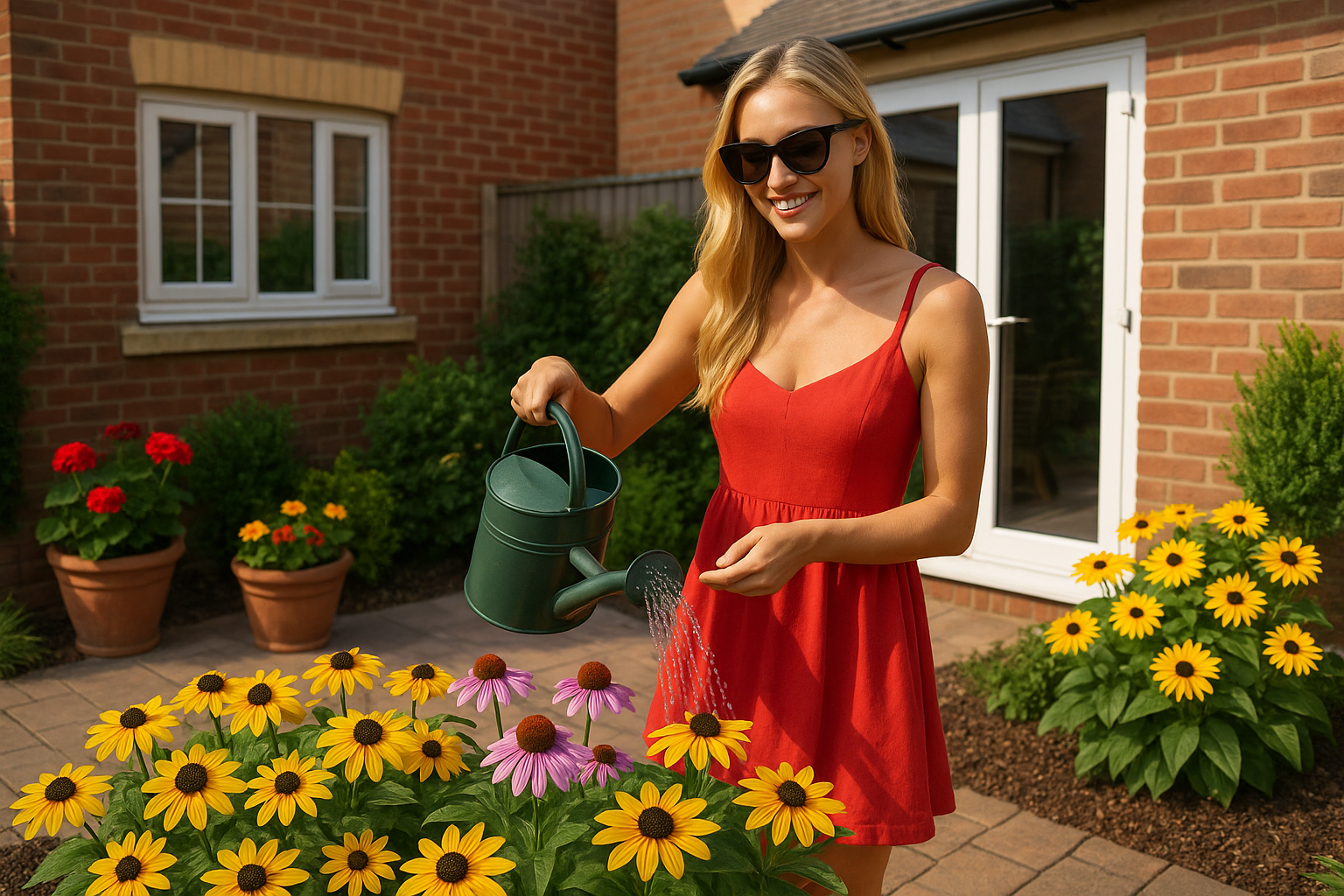
4. Black-Eyed Susans: Summer’s Golden Child
Black-eyed Susans (Rudbeckia hirta) are the sunshine of the perennial garden—bright, bold, and undeniably cheerful. With their golden-yellow petals and rich brown centers, these daisy-like flowers light up any garden bed from midsummer into early fall. And if you’re diligent about deadheading, you might just stretch their blooming season even longer. Native to much of North America, they’re the kind of flower that feels right at home in almost any sunny space.
They’re not just pretty—they’re tough as nails. Black-eyed Susans thrive in full sun and can handle drought, heat, poor soil, and general neglect like champs. Once established, they’re the kind of plant you can rely on season after season with very little fuss. And they’re a hit with pollinators—bees, butterflies, and beneficial insects love their nectar-rich blooms. Come fall, birds like goldfinches flock in to snack on the seed heads, adding even more wildlife action to your yard.
Another bonus? They’re generous. Black-eyed Susans are known to self-seed modestly, so you might spot some bonus plants popping up the following year. They’re not invasive, just politely enthusiastic. If you like a more natural, wildflower-style garden, this trait is a huge plus. And if you want a tidier look, they’re just as easy to manage with a little selective thinning.
Visually, they’re incredibly versatile. They blend beautifully with ornamental grasses, Russian sage, sedum, coneflowers, and other long-blooming perennials. Whether you’re creating a laid-back cottage garden or a structured, prairie-style planting, Black-eyed Susans bring that classic late-summer charm that never goes out of style.
In short, if you want a dependable flower that delivers vibrant color, welcomes pollinators, and basically takes care of itself, Black-eyed Susans are the way to go. Plant them once, and let the sunshine pour into your garden year after year.
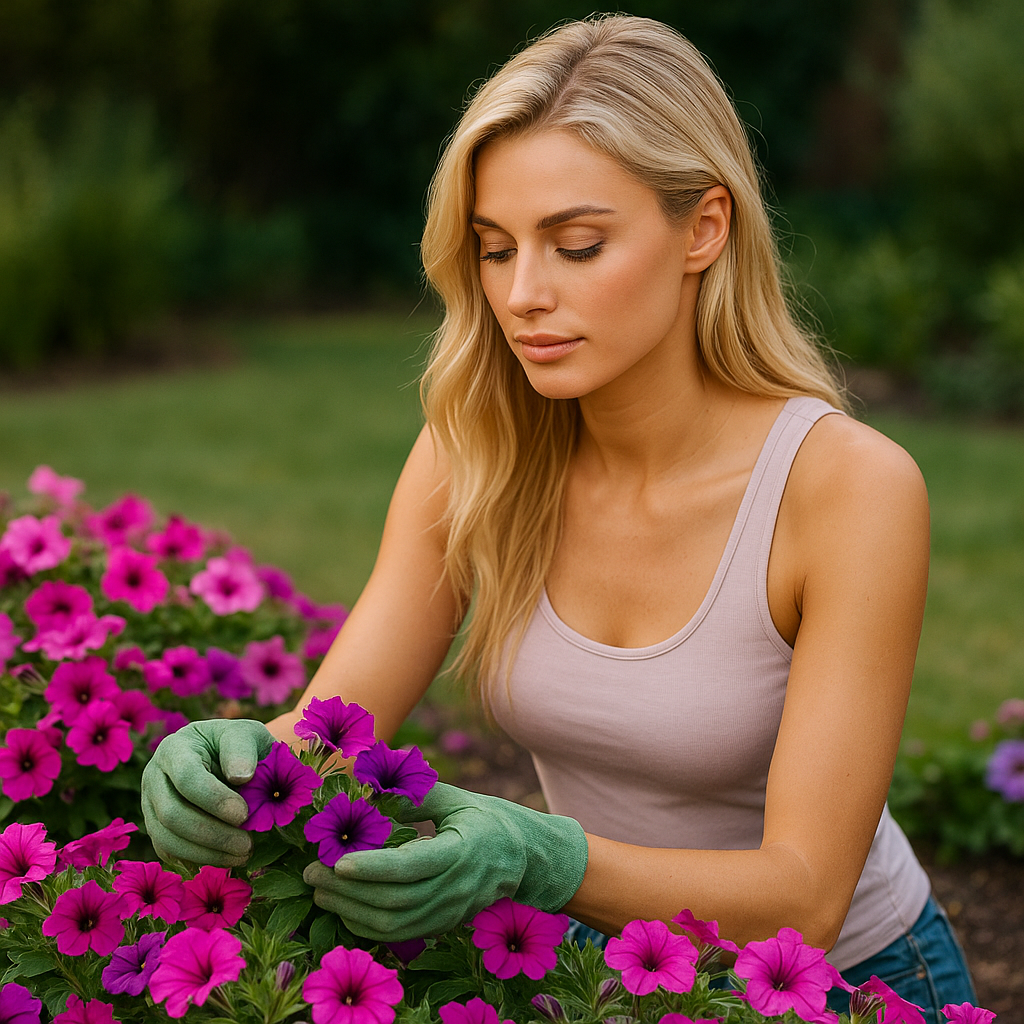
5. Petunias: The Color Explosion You Can Count On
Few flowers work harder than petunias. These vibrant annuals are pure summer energy in plant form—bold, reliable, and bursting with color. From late spring all the way through to the first frost, petunias will keep on blooming as long as you give them a sunny spot and a bit of regular care. Whether you tuck them into hanging baskets, trail them from window boxes, or line your garden beds, petunias are one of the easiest ways to create a non-stop floral display.
They thrive in full sun and appreciate consistent watering, especially during dry spells. And here’s the magic trick—pinch them back regularly. A little light pruning keeps them from getting leggy and encourages even more blooms. But if time’s tight or you just want a low-maintenance option, modern hybrids like Wave and Supertunia petunias are your best friend. These varieties bloom like crazy without the need for constant deadheading, making them ideal for both busy gardeners and low-key weekend warriors.
As for looks? Petunias offer some of the most diverse and exciting flower forms in the garden world. You’ll find them in solids, stripes, speckles, double blooms, ruffled edges, and more. The color range is just as impressive—soft pastels, electric brights, moody purples, and just about everything in between. If your goal is to create a colorful garden that feels playful, abundant, and full of life, petunias deliver every time. Plant them once, give them a little love now and then, and enjoy the full-on floral fireworks all summer long.
Final Thoughts: Pick Once, Enjoy All Summer
Here’s the thing about gardening—when you choose the right plants, you make your life a whole lot easier. These five summer-blooming flowers aren’t just pretty faces; they’re the kind of dependable workhorses that thrive in the heat, bounce back after storms, and keep blooming without demanding much in return. They’re perfect for anyone who wants a vibrant, low-fuss garden that looks great all season.
Whether you’ve got raised beds, porch containers, a sunny front yard, or just a couple of hanging baskets, weaving in a few of these long-blooming champions can turn your space into a full-blown summer showcase. With just a little planning and some good soil, your garden can be packed with color, buzzing with pollinators, and thriving from June through the first frost. And if your neighbors start slowing down as they walk past your yard, asking how you keep everything looking so fresh? Just flash a smile and say, “I picked the right flowers.”