
There’s something incredibly satisfying about using what you already have on hand to help your garden thrive. If you’ve ever looked at your kitchen scraps and wondered if they could be doing more than heading to the compost pile, you’re not alone. Eggshells, banana peels, and coffee grounds are three of the most common kitchen leftovers—and they also happen to be powerhouse additions to your garden when used the right way. These humble items might seem like trash at first glance, but in the garden, they become valuable tools that feed your soil and support the plants you work hard to grow.
The best part? You don’t need to buy any fancy products or have years of gardening experience. With just a little know-how and some basic steps, these everyday scraps can be turned into free, natural fertilizer that supports soil health, strengthens your plants, and boosts your garden’s productivity. Whether you’re growing tomatoes, peppers, leafy greens, flowers, or fruit trees, these materials offer simple, effective ways to nourish your soil and reduce waste—all while keeping your gardening organic, budget-friendly, and eco-conscious.
There’s a reason why experienced gardeners keep a bowl on the kitchen counter for these exact scraps—they’re easy to collect, simple to apply, and consistently helpful when used correctly. They fit perfectly into any size garden, from raised beds and container setups to full backyard plots. If you’re working with a small space or just getting started, using these materials is an easy win. If you’re a seasoned grower, they’re a great way to reinforce your soil-building strategy naturally.
Let’s dig into the practical ways to use these three household leftovers in your garden, backed by sound horticultural advice and a hands-on DIY spirit that makes gardening rewarding no matter your skill level.

Eggshells: A Slow-Release Source of Calcium
If you’re tossing eggshells in the trash, you’re missing out on one of the easiest and most effective ways to give your garden a free, steady boost of calcium. These simple shells—often overlooked and underused—are a rich source of calcium carbonate, which plays a crucial role in plant development. Calcium isn’t just an “extra” nutrient—it’s essential for healthy cell wall formation, meaning it directly influences the strength, structure, and overall growth of your plants. Without it, plants can’t build the sturdy tissues they need to transport water, resist disease, or support healthy fruit development.
One of the most common signs of calcium deficiency is blossom end rot, a frustrating condition that shows up as dark, sunken spots at the blossom end of fruits like tomatoes, peppers, and squash. It’s not a disease, but rather a physiological issue related to poor calcium uptake. Adding crushed eggshells to the soil won’t solve the problem overnight, but regular applications can help maintain consistent calcium levels in your soil over time, especially when paired with proper watering practices.
To prepare eggshells for garden use, rinse them thoroughly to remove any egg residue and allow them to dry completely—this helps avoid unpleasant smells and deters pests. Once dried, crush the shells using your hands, a rolling pin, mortar and pestle, or even pulse them in a blender for a finer texture. The smaller the particles, the faster they’ll break down and release calcium into the soil. Coarse chunks can take months to decompose, while finely ground shells start to contribute much sooner.
There are a few different ways to apply eggshells. You can sprinkle the crushed shells directly around the base of plants as a slow-release soil amendment. They can also be mixed into the top layer of soil before planting, or even added to your compost pile, where they’ll break down alongside other organic matter and help enrich the compost with minerals.
Some gardeners also use crushed eggshells as a barrier to deter soft-bodied pests like slugs and snails. The idea is that the sharp edges of the shells make the surface uncomfortable for pests to crawl over. While scientific evidence is limited and opinions vary on how effective this method truly is, many gardeners report fewer pest problems when they create a ring of shells around vulnerable plants. It may not be foolproof, but it’s a safe, chemical-free option that adds a bonus layer of protection without hurting your soil.
Whether you’re using them for their nutritional value or as a light pest deterrent, eggshells are a valuable addition to your garden routine. They take something that would normally go to waste and put it back to work in the soil—slowly enriching the ground, improving plant health, and helping you garden smarter, not harder. Over time, regular use of eggshells can contribute to healthier, more resilient plants and reduce your reliance on store-bought fertilizers.
Banana Peels: A Natural Boost of Potassium and Phosphorus
Banana peels might just be the unsung hero of natural gardening—a kitchen scrap with surprising power packed into its soft, yellow wrapper. Rich in potassium and phosphorus, banana peels deliver two of the most essential nutrients plants need for root development, flower production, and fruiting. Potassium helps regulate water uptake, strengthens cell walls, and enhances resistance to disease, while phosphorus supports strong root systems and helps plants convert sunlight into usable energy through photosynthesis. When plants reach their flowering and fruiting stages, these nutrients become even more critical, which makes banana peels a natural ally for gardeners growing fruiting vegetables like tomatoes, cucumbers, and peppers, as well as berries, roses, and flowering annuals.
One of the best things about banana peels is how easy they are to use—and how quickly they can begin to benefit your garden. The simplest method is to chop them into small pieces and bury them directly into the soil a few inches from the base of your plants. Smaller pieces decompose faster, allowing nutrients to become available to plant roots sooner. This method is also helpful for keeping pests like raccoons or squirrels away, since whole or large peels can sometimes attract animals.
For faster results, you can blend banana peels with water into a nutrient-rich smoothie for your soil. This breaks the peel down into a form that’s easier for microbes and plant roots to process. Just add one or two peels to a blender with about a quart of water, mix it into a pourable slurry, and apply it directly around your plant’s root zone. It’s quick, easy, and incredibly effective, especially when used regularly during blooming and fruiting stages.
Another gentle but effective method is to steep banana peels in a jar of water for a few days. This creates a homemade liquid fertilizer that works similarly to compost tea. After a few days, pour the liquid at the base of your plants and bury the leftover peel pieces in your compost pile or garden bed. According to the University of Maryland Extension, soaking peels this way can draw out soluble nutrients like potassium and phosphorus, creating a light but beneficial nutrient boost that’s safe for even tender seedlings or stressed plants.
It’s important to remember that banana peels do not provide nitrogen, which is crucial for leafy growth and general plant development. That’s why banana peels should be viewed as a supplement to a broader feeding plan—not a complete replacement for compost, manure, or balanced organic fertilizers. Think of them like a multivitamin: incredibly useful, but best taken in combination with a healthy, varied diet. Pairing banana peels with nitrogen-rich inputs like composted grass clippings, aged manure, or organic fish emulsion can help create a more balanced nutrient profile that supports all stages of plant growth.
Another bonus? Banana peels also contain small amounts of magnesium and calcium, both of which support chlorophyll production and overall plant vigor. These secondary nutrients, while not always talked about, play an important role in helping your plants photosynthesize efficiently and resist environmental stress.
Incorporating banana peels into your garden routine is not only simple—it’s a sustainable way to reduce waste and recycle nutrients back into the soil. Whether you’re burying them, blending them, steeping them, or composting them, banana peels are an easy win for any gardener looking to enrich their soil naturally and organically. With regular use, they’ll help boost bloom production, improve fruit quality, and contribute to a healthier, more productive garden.
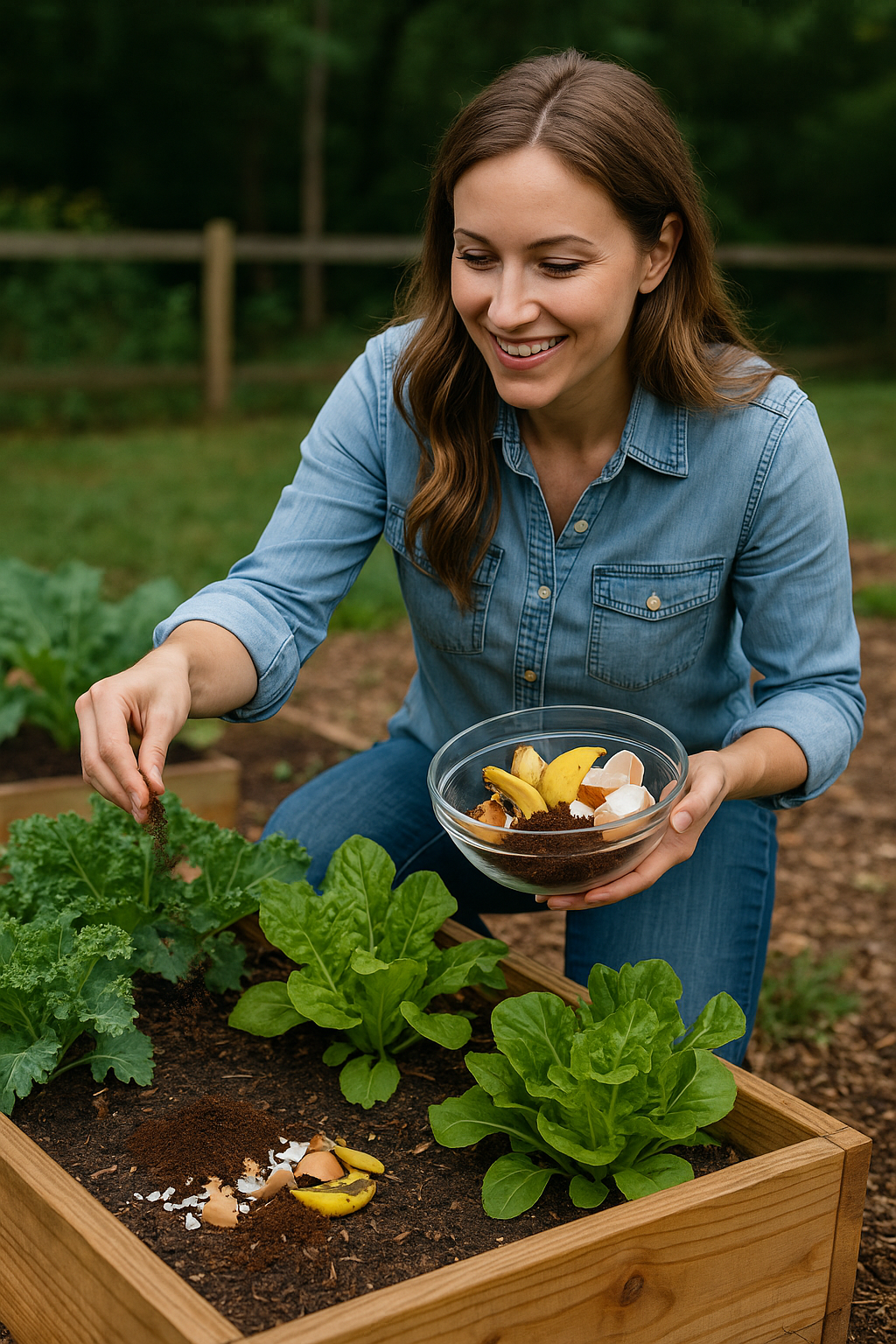
Coffee Grounds: Organic Matter and a Nitrogen Boost
If you’re a coffee drinker, you’ve got a garden goldmine sitting in your filter every morning—used coffee grounds. Instead of tossing them in the trash, you can turn them into a powerful soil amendment that benefits your plants and builds better soil structure over time. Used coffee grounds are rich in organic matter and provide a small but valuable amount of nitrogen, one of the primary nutrients plants need for lush, green growth. Nitrogen helps fuel the development of leaves and stems, making coffee grounds especially useful for crops like lettuce, spinach, kale, and herbs like basil and parsley.
Beyond the nutrient boost, coffee grounds improve the physical quality of your soil. When worked into sandy soils, they increase water retention, helping your garden hold onto moisture a little longer between waterings. In heavy clay soils, they help loosen up compaction, improving drainage and making it easier for roots to breathe and expand. This combination of aeration and organic enrichment makes used coffee grounds a favorite among home gardeners looking to improve poor soil in a natural and cost-effective way.
But like many good things in gardening, the key to using coffee grounds is moderation. Coffee grounds are slightly acidic, which can affect soil pH when used in large quantities—especially if they’re applied fresh and not yet broken down. While this acidity can benefit acid-loving plants like blueberries, azaleas, rhododendrons, and hydrangeas, it may not be ideal for every crop. Overapplying can also lead to overly dense soil or create a crusty layer that repels water rather than absorbing it, which is the opposite of what you want in a productive bed.
For best results, use coffee grounds as part of your compost system. Adding them to your compost pile helps balance out carbon-rich materials like dried leaves, straw, or shredded paper. Coffee grounds are considered a “green” material (high in nitrogen), and pairing them with plenty of “browns” helps the compost break down properly and evenly. The finished compost will have a more balanced nutrient profile and be much safer and more effective to use throughout the garden.
If you’re applying coffee grounds directly to your garden beds, keep the layer light—no more than half an inch thick—and always mix it lightly into the topsoil rather than leaving it as a solid layer on the surface. This prevents water-repellent clumping and helps the grounds integrate smoothly into your soil. You can also add a small scoop of used grounds to planting holes when transplanting greens, herbs, or acid-loving crops.
According to Oregon State University, incorporating used coffee grounds into compost is the most effective and safest way to use them, as it allows the grounds to decompose fully and release their nutrients gradually, without creating problems for soil texture or pH. But for those who want to go the direct route, small, consistent applications can offer a noticeable improvement in your soil’s health and fertility.
Used thoughtfully, coffee grounds are a sustainable, zero-cost way to boost your garden’s productivity while reducing kitchen waste. So go ahead—brew your morning cup and know that what’s left behind in the filter can go right back into the earth, where it’ll do some of its best work yet.
The Bigger Picture: Building a Healthier, Low-Waste Garden
What’s great about using eggshells, banana peels, and coffee grounds is that they work together beautifully as part of a broader, sustainable organic gardening approach. While they’re not magic fixes or replacements for full compost systems or balanced fertilizers, they each play a valuable role in improving soil health when used consistently. They offer steady, natural support for your plants and help build the kind of living, breathing soil that produces strong growth, vibrant foliage, and generous harvests.
These kitchen scraps are like steady investments in your garden’s future. Eggshells add calcium to the soil—a nutrient that helps prevent blossom end rot and supports strong root development. They break down slowly, conditioning the soil over time and offering long-term benefits. Banana peels bring in potassium and phosphorus, two nutrients that are essential for flowering and fruiting. They’re especially useful during key stages of the growing season when your plants need an extra push to produce fruit or blooms. Coffee grounds add nitrogen and organic matter, enriching the soil while helping to improve texture and water retention. They’re particularly helpful for leafy greens and other nitrogen-loving crops.
Used together, this trio supports a more balanced nutrient profile in your soil. Each material complements the others, and when incorporated into a regular gardening routine, they help create a more resilient and productive garden ecosystem. Instead of relying solely on bagged products or synthetic fertilizers, you’re feeding your soil naturally—layer by layer, season by season.
Best of all, you’re turning waste into something valuable. Instead of letting these everyday items pile up in the trash, they go back to work for you in the garden. It’s a practical, no-cost way to reduce household waste, improve your garden’s performance, and stay connected to the cycle of growth and renewal. With a little intention and consistency, eggshells, banana peels, and coffee grounds become more than scraps—they become the backbone of a thriving, sustainable garden.
Final Thoughts: Garden Smarter with What You’ve Got
You don’t need a shed full of store-bought fertilizers to grow a thriving, productive garden. Sometimes, the best tools are sitting right in your kitchen waiting to be used. Eggshells, banana peels, and coffee grounds are easy to collect, easy to apply, and totally free.
With a little intention and consistency, you can turn these humble scraps into a steady source of nutrients for your soil. So next time you’re about to toss those peels or rinse out that coffee filter, think twice. Your garden—and your compost pile—will be glad you did.