
If you’ve ever looked at your garden and thought, “This could use a little extra charm”—or stared down at your salad thinking it needed a makeover—you’re not alone. That’s where edible flowers come in. These colorful show-stoppers don’t just add beauty to your garden; they bring flair and flavor right to your plate. And the best part? They’re not just for looks. Many edible flowers are packed with unique tastes, delicate textures, and even a few surprising nutritional perks.
Whether you’re trying to impress dinner guests, elevate your homegrown dishes, or simply make your meals feel a little more special, edible flowers are an easy, rewarding way to do it. And no—you don’t need to be a chef or some garden guru to grow them. Most edible flowers are low-maintenance, tough enough to thrive in everyday gardens, and friendly to beginners. In fact, some of them are probably already growing in your yard and you didn’t even know they were edible.
So if you’re ready to bring some beauty to your beds and your kitchen, let’s dig into seven edible flowers that are worth planting. We’ll also cover how to actually use them in your meals without turning dinner into a science experiment. These blooms are as practical as they are pretty—and your garden (and tastebuds) will thank you.
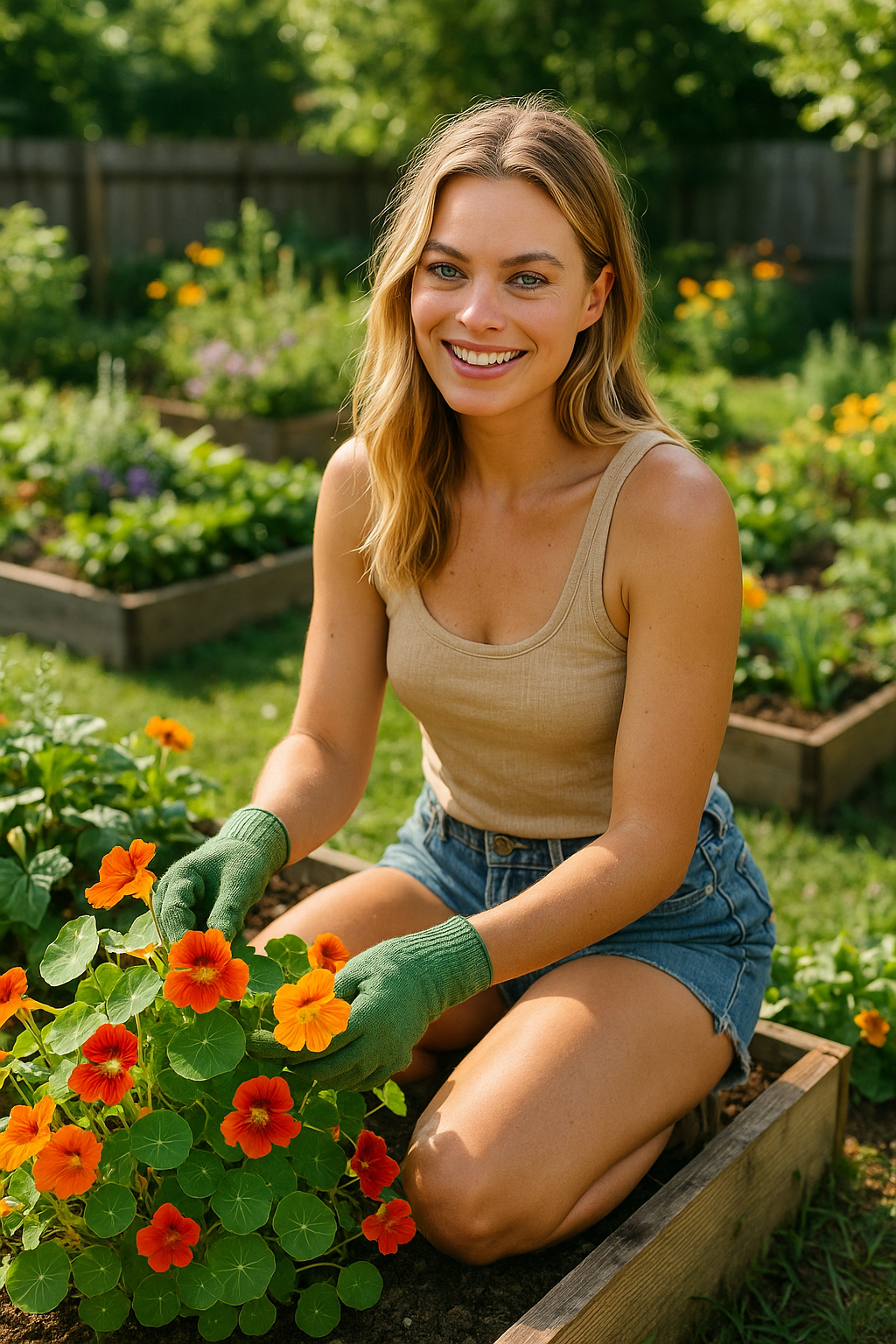
1. Nasturtiums – The Peppery Garden Jewel
Nasturtiums might just be the MVPs of the edible flower world. These vibrant, trailing plants bring a pop of orange, red, or yellow wherever they grow—whether that’s spilling out of a hanging basket, climbing a trellis, or weaving through your veggie beds. But they’re not just a pretty face. Nasturtium flowers come with a bold, peppery kick that tastes like arugula dialed up a notch. It’s the kind of flavor that adds real attitude to a salad or sandwich.
The entire plant is edible, but the blossoms are the stars of the show. You can scatter petals over garden salads, use whole blooms to garnish charcuterie boards, or even stuff them with herbed cream cheese or goat cheese for a party appetizer that looks like it took a culinary degree to pull off.
Beyond the kitchen, nasturtiums are a garden multitool. They’re famously easy to grow—even in poor soil—and they thrive in full sun with very little care. In fact, they tend to do better with a little neglect. Most gardeners treat them as annuals, but in many areas, they’ll self-seed and come back the following season with zero extra effort. As a bonus, they attract bees and other pollinators while naturally repelling pests like aphids and squash bugs. They’re as hardworking as they are beautiful—and they make you look good with almost no maintenance required.
2. Calendula – The Healer in Disguise
Calendula, also known as “pot marigold,” is one of those plants that pulls double duty in the garden and the kitchen—and even triples up as a natural remedy. While it’s not a true marigold, calendula has earned its nickname thanks to its cheerful golden-orange petals and long history of use in herbal medicine. People have been turning to this flower for centuries to soothe skin irritations, heal cuts, and reduce inflammation. But calendula isn’t just for salves and creams—it’s a flavorful and colorful edible flower, too.
The petals have a slightly tangy, almost citrusy flavor that brings a splash of brightness to all kinds of dishes. Sprinkle them over soups, stir them into risottos, or add them to scrambled eggs for a warm, golden pop that looks a bit like saffron—without the high price tag. You can even dry the petals and use them to tint homemade teas, vinegars, or compound butters.
Calendula is incredibly easy to grow from seed, even for beginners. It thrives in full sun and tolerates a variety of soil conditions, making it a perfect fit for herb gardens, vegetable beds, or even containers. Once it gets going, it’ll bloom continuously from spring through the first hard frost, especially if you stay on top of deadheading. It also helps repel garden pests like aphids and whiteflies, making it a handy companion plant for tomatoes and beans.
Whether you’re after beauty, flavor, or natural remedies, calendula checks all the boxes. It’s low-maintenance, tough as nails, and happy to grow just about anywhere you let it.
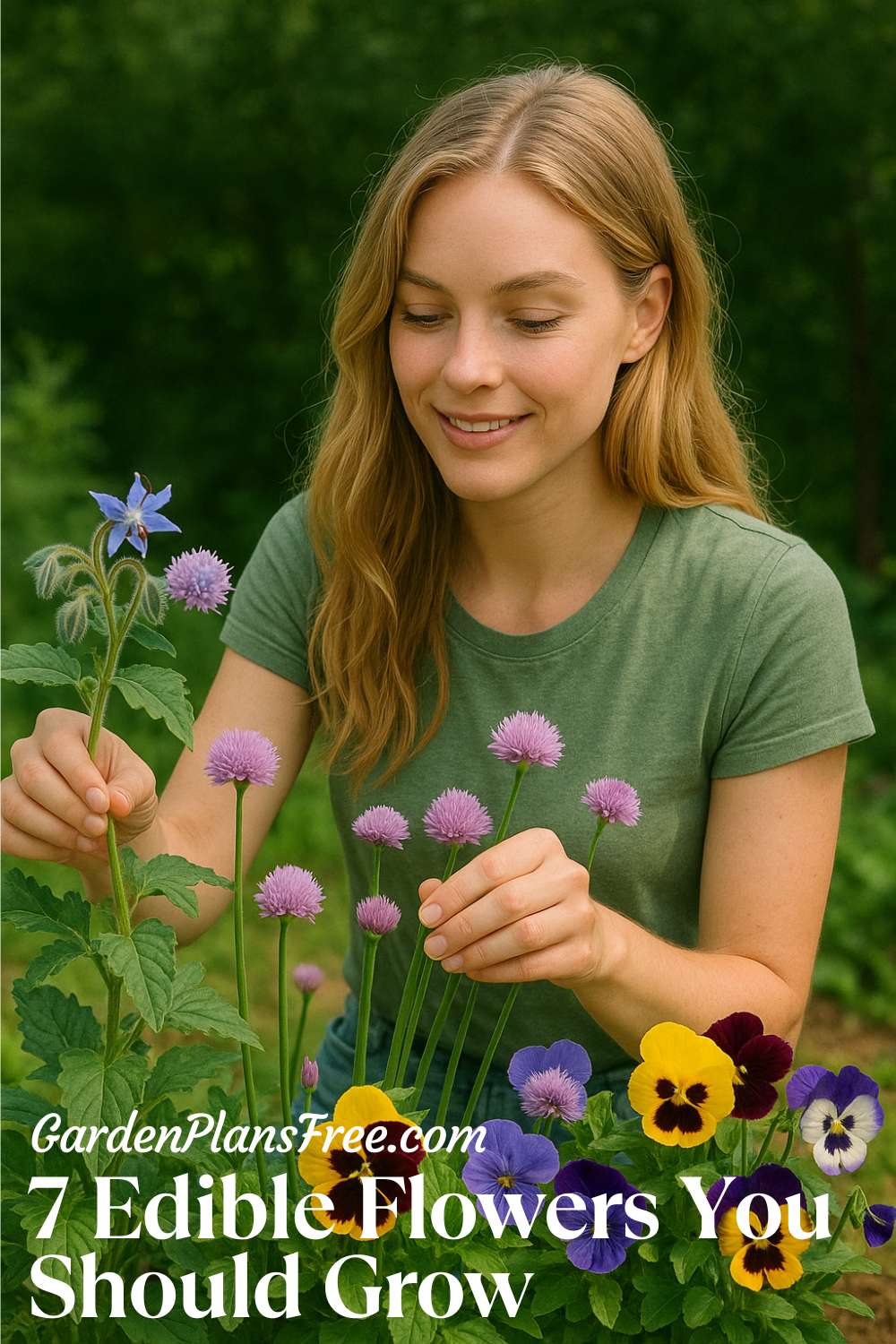
3. Borage – The Cucumber Blossom
Borage is one of those sleeper-hit plants that quietly earns a permanent spot in your garden the moment you grow it. At first glance, it’s just a fuzzy-leaved herb with a sprawling growth habit. But then—bam!—those stunning star-shaped blue flowers show up, and suddenly your garden looks like something out of a fairytale. The real surprise? The flavor. Borage blossoms taste remarkably like fresh cucumbers. Seriously. Crisp, cool, and totally refreshing.
That clean, cucumbery flavor makes borage flowers a natural fit for chilled summer recipes. You can float them in lemonade, garnish cocktails, sprinkle them on fruit salads, or freeze them into ice cubes for a picture-perfect party trick. They’re also edible raw, so you can toss them into leafy salads for a light herbal note and a visual wow factor.
Borage isn’t fussy. It’s a hardy, drought-tolerant annual that thrives in full sun and average soil, making it an ideal pick for low-maintenance gardeners. Once it’s established, borage will self-seed reliably, so you may find it popping back up year after year with very little effort on your part.
Beyond its good looks and flavor, borage is a powerhouse when it comes to garden health. It attracts bees, butterflies, and other pollinators in droves, which means more productivity for nearby fruits and veggies. It’s also known to improve the growth and flavor of companion crops like tomatoes, strawberries, and squash—earning it a spot in many permaculture and companion planting plans.
In short, borage is beautiful, tasty, and functional. Once you’ve grown it, it’s hard to imagine gardening without it.
4. Chive Blossoms – Spicy and Beautiful
If you already grow herbs, there’s a good chance you’ve got a clump of chives quietly doing its thing in a corner of your garden or raised bed. And while most folks use the hollow green stems for topping baked potatoes or folding into dips, it’s the chive blossoms that are the real hidden gems. These round, lavender-purple pom-poms don’t just add visual flair—they’re 100% edible and pack a similar oniony punch with a slightly milder, more floral twist.
Each chive blossom is made up of dozens of tiny florets, and they pull apart easily—perfect for scattering over salads, deviled eggs, soups, or even homemade focaccia. They also make an excellent addition to compound butters, vinegars, and creamy dressings where you want a subtle allium flavor with a whole lot of color.
Chives are perennials in most climates, so once you’ve got them established, they’ll come back every year without fail. They’re cold-hardy, low-maintenance, and well-behaved in small garden spaces or containers. To keep the plants healthy and productive, just snip off the flowers once they’re past their prime—and don’t worry, you’ll get more where that came from.
They’re not just useful in the kitchen either. Chives naturally repel certain garden pests like aphids and Japanese beetles, making them a great companion plant to veggies like carrots, tomatoes, and lettuces. And when those bright purple blooms show up in late spring? That’s just the garden saying thank you.
5. Pansies and Violas – The Cold-Weather Charmers
Pansies and violas are like the cheerful cousins of your leafy greens—easygoing, vibrant, and happiest when the weather’s cool. These little bloomers thrive in the spring and fall, filling your garden with color long after (or before) most veggies call it quits. But beyond their good looks, pansies and violas are also fully edible, from petal to sepal. Their flavor is delicate—mildly sweet, sometimes with hints of wintergreen or a light grassy note, depending on the variety.
In the kitchen, they’re some of the most versatile edible flowers around. Use them to garnish cupcakes or cookies, float a few blooms on top of soups or cocktails, or press them into soft cheeses and tea sandwiches for a garden-party touch. Their petals are soft and colorful, making them perfect for when you want your dishes to look like they came out of a magazine—but without the fuss.
When it comes to growing them, pansies and violas are about as easy as it gets. They’re ideal for containers, window boxes, hanging baskets, or tucked along the edges of raised beds and pathways. These flowers tolerate partial shade and don’t mind cooler temperatures, which makes them great for gardeners working with limited sun or unpredictable weather. Just keep them watered and deadhead spent blooms to keep the show going.
Best of all, because they prefer the shoulder seasons, they pair perfectly with cool-weather crops like lettuce, spinach, and radishes. You’ll get beauty and utility in one tidy package—and a garden that keeps turning heads even when the temps drop.
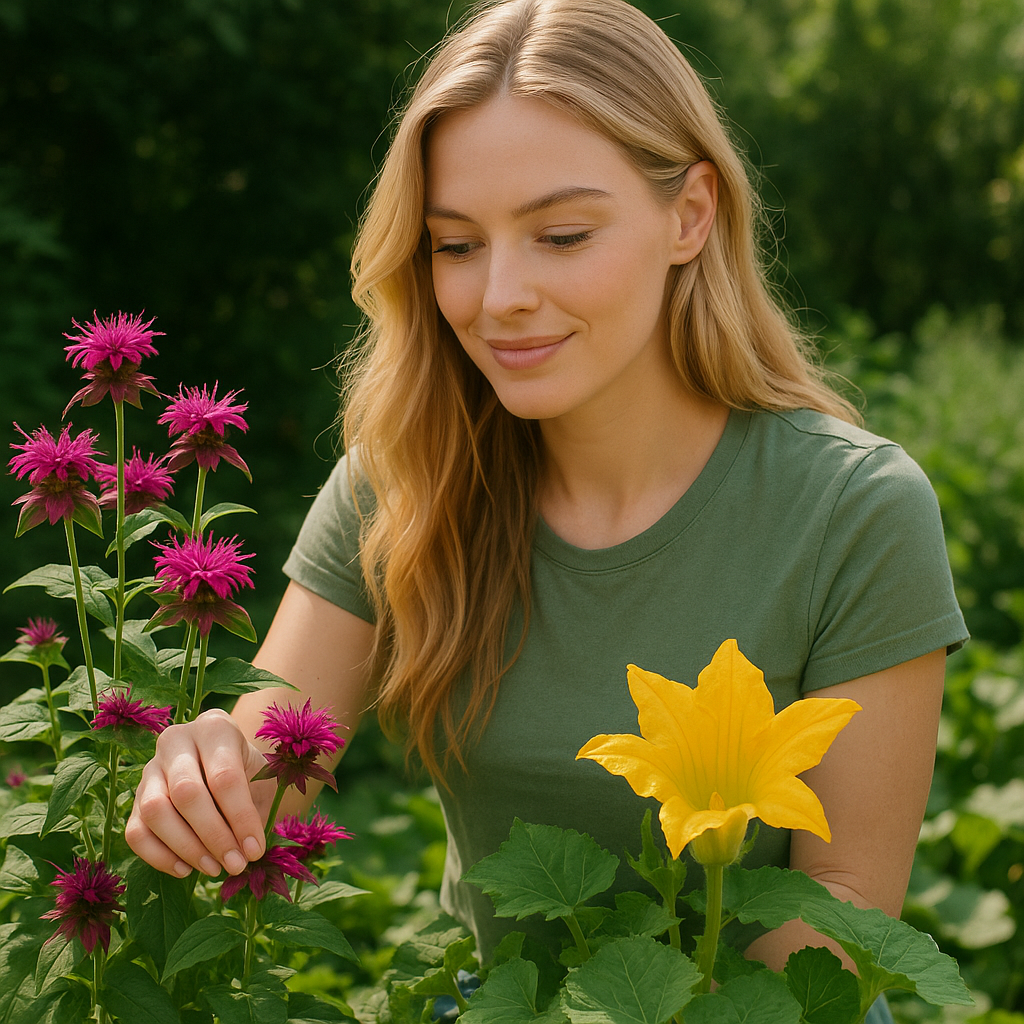
6. Bee Balm – The Wild Mint That Pops
Bee balm might just be one of the boldest edible flowers you can grow—both in flavor and in attitude. A proud member of the mint family, this native North American perennial brings that classic mint energy: strong scent, vibrant flowers, and a tendency to take over if you let it. But oh, is it worth the space. The shaggy blossoms come in brilliant shades of red, pink, purple, or white, and they don’t just look wild—they taste a little wild too.
The flavor of bee balm is citrusy with a lightly spicy, almost oregano-like bite. It adds a fresh twist to teas, lemonade, and cocktails, and the petals make a colorful topping for fruit salads or cold pasta dishes. You can also dry the blooms and use them to infuse vinegar, honey, or even herbal bath salts if you’re feeling fancy.
Bee balm is also one of the best flowers you can grow if your goal is to attract pollinators. Bees, butterflies, and hummingbirds absolutely flock to it, which means your whole garden gets a productivity boost. It’s especially useful planted near veggies that rely on pollination, like cucumbers, squash, and melons.
This plant is a perennial in most regions, and once it’s established, it’s tough as nails. It handles poor soil, shrugs off drought, and resists deer like a champ. But—like its minty cousins—it spreads aggressively by underground rhizomes, so you’ll want to give it space or plant it in a raised bed or container if you’d like to keep it in check. Whether you’re planting for beauty, flavor, or the bees, bee balm is a garden powerhouse that brings energy and color to every corner of your yard—and your kitchen.
7. Squash Blossoms – Delicate and Delicious
Squash blossoms may look like something you’d only find at a high-end restaurant, but the truth is, they’re surprisingly easy to grow—and even easier to fall in love with. These large, golden-yellow blooms are produced by zucchini, pumpkins, and other summer squash plants. They’re not only edible, but they’re also downright delicious, whether raw, sautéed, or lightly fried to crispy perfection.
The flavor is mild and slightly sweet, with a hint of that squash taste we all know and love. Most folks go straight for the classic prep: stuffing the blossoms with ricotta or goat cheese, dipping them in a light batter, and pan-frying until golden. But that’s just the beginning. You can also shred them into quesadillas, tuck them into omelets or frittatas, or chop them up and toss them into pasta or risotto for a seasonal touch that looks as good as it tastes.
When it comes to harvesting, go for the male flowers—the ones that grow on long stems and don’t produce fruit. They’re your go-to for eating, while the female flowers (with a tiny baby squash at the base) are best left to grow into full veggies. Harvest in the early morning when the blossoms are open and firm, and handle them gently—they bruise easily and are best used fresh.
One quick tip: don’t get too greedy. Over-harvesting can reduce pollination and impact your squash yield. A good balance is to take a few male flowers and leave the rest for the bees to do their thing. Your garden—and your dinner plate—will both be better for it.
How to Use Edible Flowers Safely
Before you go sprinkling petals on everything from salads to sorbets, let’s hit pause for a second. Not all flowers are edible—and not all “edible” flowers are safe to eat in every form. So, a little caution goes a long way. First and foremost, only eat flowers you’ve grown yourself or sourced from a trusted, organic grower. Skip anything from the florist, nursery, or grocery store floral department. Those blooms may look pretty, but they’re often treated with pesticides or preservatives that aren’t food-safe.
Next, be absolutely sure of your plant ID. Some edible flowers have lookalikes that can cause anything from an upset stomach to serious health issues. If you’re ever unsure, it’s best to leave that blossom on the plant and do a little more research. A good plant ID book or app can help, and local Extension offices are great resources, too.
When you’re ready to use your flowers, rinse them gently under cool water to remove any dust or tiny visitors. Most edible flowers are best enjoyed fresh, right after picking. They tend to lose color, texture, and flavor quickly in the fridge, so it’s best to harvest what you need and use them the same day. With a little care, edible flowers can be a safe, stunning addition to your meals. Just remember: when in doubt, throw it out.
Let Your Garden Work Double Duty
Growing edible flowers is a simple way to make your garden more beautiful and more useful. They offer color, attract beneficial insects, and give you new ways to spice up your meals. Whether you’re cooking for your family or just yourself, edible blooms bring a sense of elegance and creativity that store-bought produce can’t match.
With these seven choices, you’ll have a steady stream of color and culinary inspiration right outside your door. So go ahead—plant a few petals this season. Your garden, your kitchen, and maybe even your Instagram feed will thank you.