
When the first frost hits, most people assume the garden is officially “closed for the season.” But if you care about good harvests next year, winter is actually when a lot of important work happens underground. Healthy soil doesn’t just magically appear in spring. You build it, layer by layer, choice by choice, especially in the cold months.
Think of winter as your soil’s off-season training program. While plants are resting, you can focus on feeding microbes, protecting soil structure, and setting yourself up for fewer problems and better yields when the weather warms up.
In this guide, we’ll walk through ten practical, science-backed winter gardening tips to keep your soil healthy, strong, and ready to go once spring hits. No complicated equipment, no fancy jargon—just clear steps you can actually do in a real backyard.
Winter Tip 1: Keep Your Soil Covered, Not Bare
Bare soil in winter is like an exposed 2×4 left out in the rain—over time it warps, cracks, and weakens. When you leave soil uncovered, rain and snow can compact it, wind can blow away the fine particles, and nutrients can leach deeper than roots can reach.
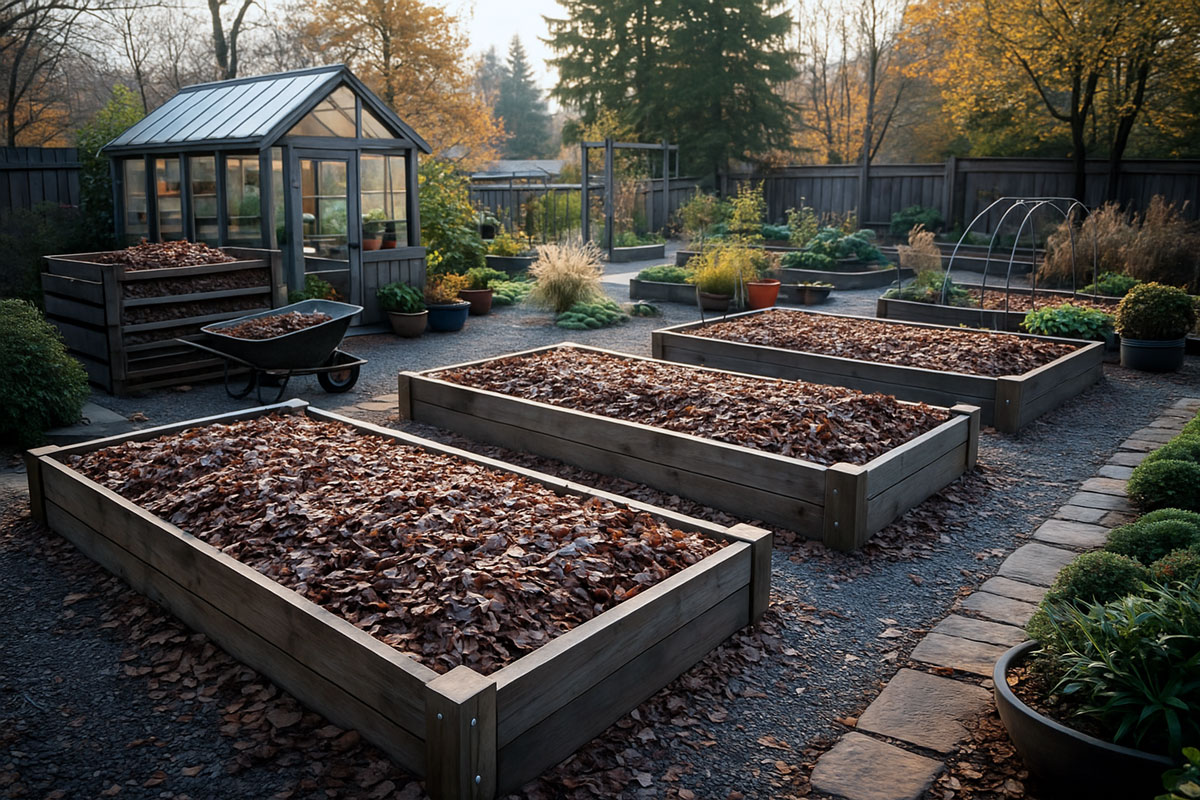
A simple way to protect soil is to keep it covered with organic material. This can be mulch, shredded leaves, straw, or even a layer of compost. A protective layer acts like a blanket, reducing erosion, buffering temperature swings, and helping water soak in instead of running off. It also gives soil organisms something to chew on all winter, which is exactly what you want for long-term fertility.
Winter Tip 2: Use Organic Mulch as a Protective Blanket
Mulch in winter does more than just “look tidy.” Organic mulches—like shredded leaves, wood chips, straw, or pine needles—help stabilize soil temperature and moisture. That means fewer freeze-thaw cycles on the surface that can damage soil structure and disturb roots.
Aim for a layer about 5–8 cm thick around perennials, shrubs, and in empty vegetable beds. Avoid piling mulch directly against the stems of plants; think “donut” rather than “volcano,” leaving a small gap around the base. Over time, mulch breaks down and adds organic matter, improving soil texture and feeding beneficial organisms such as earthworms and fungi.
Winter Tip 3: Plant Cover Crops If Your Climate Allows
If your ground doesn’t stay frozen solid all winter, cover crops are one of the best soil-building tools you can use. Plants like winter rye, oats, clover, and vetch can keep growing in cool weather. Their roots help prevent erosion, improve soil structure, and capture nutrients that would otherwise wash away.
When spring comes, you simply cut and incorporate them into the top layer of the soil, turning that growth into green manure. That organic matter boosts soil life, improves water-holding capacity, and can even help suppress weeds. Choose varieties suited to your climate and growing zone, and sow them in late fall after you clear summer crops.
Winter Tip 4: Add Compost Before the Deep Freeze
Compost is like the slow-release multivitamin for your soil. Adding it in late fall or early winter gives microorganisms time to start breaking it down so it’s more available in spring. A 2–3 cm layer spread over your beds is often enough to make a noticeable difference in soil structure and fertility over time.
You don’t need to dig compost deeply into the soil. Just top dress and let worms and natural freezing and thawing action work it down for you. That gentle approach is easier on your back and better for soil structure than aggressive tilling. Over the years, regular compost additions build darker, crumbly soil that’s easier to work and kinder to plant roots.
Winter Tip 5: Avoid Tilling Wet or Frozen Soil
If you love tools, it’s tempting to start “working the soil” at the first sign of a mild winter day. But tilling or digging when your soil is soggy or frozen can do more harm than good. You can crush the soil’s natural structure, destroy pore spaces, and create compacted layers that roots struggle to penetrate.
A simple test is to grab a handful of soil and squeeze it. If it forms a tight mud ball that doesn’t crumble easily when you poke it, it’s too wet to work. In winter, it’s usually better to let the soil rest, add compost or mulch on the surface, and save heavy digging for when the soil is drier and more friable in spring.
Winter Tip 6: Protect Soil from Compaction
Walking on garden beds in winter might not seem like a big deal, but each step presses down on cold, damp soil and squeezes out air pockets that roots and microbes need. Compacted soil drains poorly, warms slowly in spring, and makes it harder for roots to spread.
To keep soil healthy, avoid stepping directly on your planting areas. Use permanent paths, simple stepping stones, or boards you can lay down if you need to reach the middle of a bed. In raised beds, try to design them narrow enough that you can comfortably reach across from the sides without climbing in. Little habits like these, repeated all winter, add up to looser, healthier soil long term.
Winter Tip 7: Test Your Soil and Plan Amendments
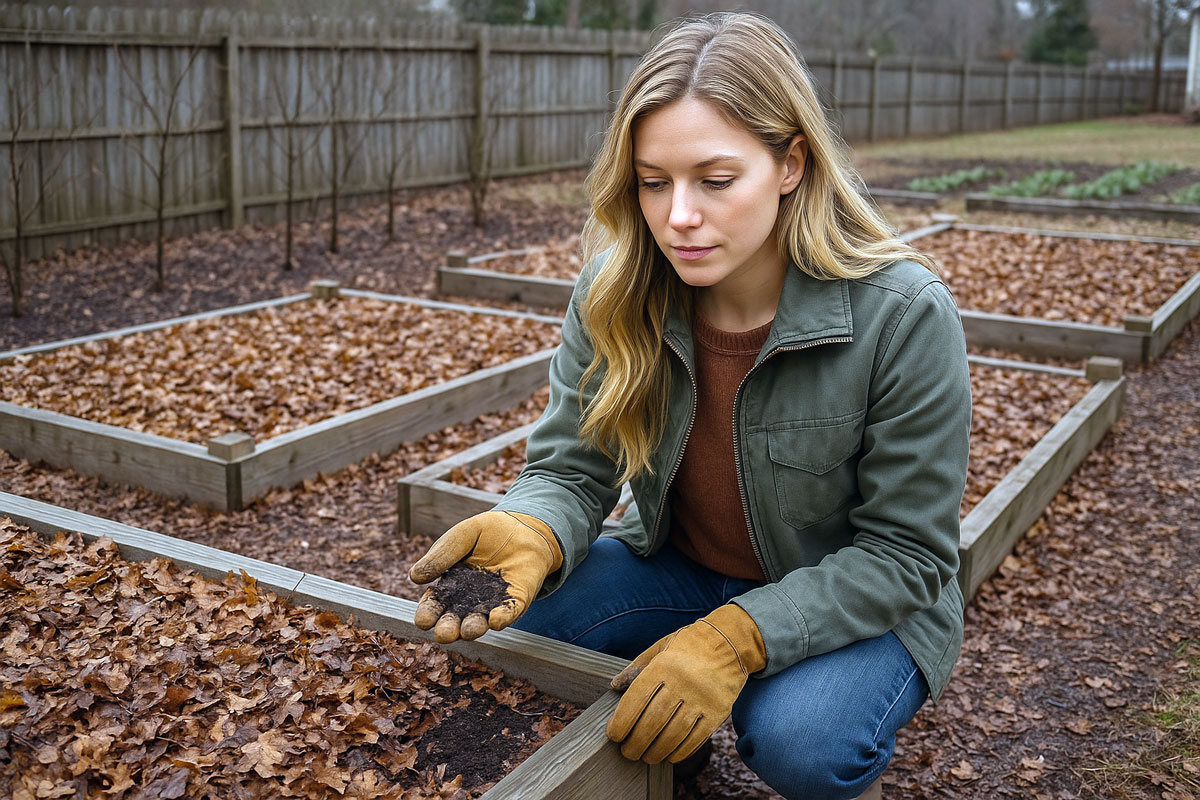
Winter is the perfect time to get to know your soil better. A basic soil test can tell you the pH and levels of key nutrients like phosphorus and potassium. Instead of guessing with fertilizer in spring, you’ll have a clear picture of what your soil actually needs.
Collect samples from a few spots in your garden, mix them together, and send them to a reputable lab or use a quality test kit. Once you have the results, you can plan amendments like lime to adjust pH or specific organic fertilizers to fine-tune nutrient levels. Doing this in winter means you’re ready with a smart, targeted plan once planting season arrives.
Winter Tip 8: Recycle Leaves Instead of Throwing Them Away
If your yard produces bags of leaves every fall, you’re basically standing on a goldmine for soil health. Instead of sending them off with the trash, turn them into a resource. Shredded leaves make excellent mulch and break down faster than whole leaves.
You can spread them directly on beds, add them to your compost pile as a carbon source, or make leaf mold by piling them in a corner, keeping them moist, and letting them decompose slowly over several months. Leaf mold is fantastic for improving soil structure and water retention and is especially helpful in sandy or heavy clay soils.
Winter Tip 9: Maintain Good Drainage Around Beds
Healthy soil isn’t just about nutrients and organic matter—it’s also about drainage. In winter, poorly drained soil can stay waterlogged for long periods, starving roots of oxygen and damaging beneficial organisms. If you notice standing water or constantly soggy spots, winter is a good time to observe and plan improvements.
You can add organic matter over time to improve structure, build raised beds to lift the root zone above problem areas, or gently contour your garden so water moves away instead of pooling. Even simple actions, like keeping mulched paths and avoiding deep ruts, help water flow where it should.
Winter Tip 10: Plan Your Crop Rotation for Next Season
One of the most underrated “soil health tools” is planning. Rotating crops—especially heavy feeders like tomatoes, cabbages, and corn—helps reduce the buildup of pests and diseases and prevents the soil from being drained of the same nutrients year after year.
Use winter evenings to sketch out your beds and decide where each crop will go next season. Try not to plant the same family (like tomatoes, peppers, and eggplants) in the same spot two years in a row. Over time, this simple planning habit keeps soil more balanced and your plants healthier, which means you need fewer emergency fixes later.
Winter Is When You Build Next Year’s Garden
Winter gardening isn’t about forcing plants to grow in bad conditions. It’s about quietly improving the foundation they depend on: your soil. By keeping the ground covered, feeding it with compost and leaves, avoiding compaction, and planning ahead, you’re doing the kind of work that really pays off when spring arrives.
You don’t need to tackle everything at once. Start with one or two of these winter soil care habits—maybe adding a layer of mulch and committing to staying off your beds when the soil is wet. As you build on these year after year, you’ll notice your soil becoming darker, looser, and easier to work, and your plants will respond with stronger growth and better harvests.
So even when the garden looks quiet on the surface, remember: this is your chance to give your soil the kind of attention it never gets in the rush of spring. Winter is when great gardens are built—one thoughtful step, and one healthy handful of soil, at a time. Since you are here, you should also check out how to improve soil without breaking the bank!