
A garden always asks for more—more water, more tools, more time—yet the most satisfying part of the entire process is realizing how much you can achieve with smart, resourceful tricks that work with nature instead of against it. Gardening can feel demanding when you’re juggling weeds, unpredictable weather, soil issues, and rising material costs, but many of the best solutions are simple, inexpensive, and backed by solid horticultural science. What feels like a small tweak today often becomes a long-term habit that saves hours of work and keeps more money in your pocket.
One of the biggest advantages of using clever garden hacks is how they help you get more out of what you already have. Instead of buying new soil amendments, irrigation systems, or specialized tools, you can redirect household scraps, repurpose old materials, and take advantage of natural cycles like decomposition, rainfall, and sunlight. Composting, for example, isn’t just an eco-friendly choice—it transforms waste into slow-release fertilizer that improves soil structure, boosts beneficial microbial life, and increases water retention. The same logic applies to mulching with shredded leaves or grass clippings. These materials break down gradually, feed the soil, suppress weeds, and insulate roots through harsh weather, all without extra cost.
Healthy Soil Starts With Smart Reuse
Many gardeners underestimate how much valuable material they already have in their yard. Fallen leaves, spent plant material, and even kitchen scraps can be transformed into powerful soil amendments through basic composting. Research consistently shows that compost improves soil structure, boosts microbial activity, and increases water retention, especially in sandy soils. Instead of bagging up leaves in autumn, shredding them and spreading them over beds creates a natural mulch that slowly breaks down, enriching the soil for the next season.
Mulching also cuts down on watering by keeping moisture where plants need it most. When the sun is high and the days get dry, a two-to-three-inch mulch layer can reduce evaporation by up to 70 percent. This keeps your water bill lower and saves time dragging hoses around the yard. For an even thriftier approach, grass clippings can be layered thinly around vegetable rows, where they suppress weeds and release nitrogen as they decompose.
Watering Efficiently Without Fancy Systems
Good irrigation doesn’t have to be complicated or expensive. Reusing household water—known as greywater—can reduce overall consumption, as long as it’s done safely. Water from rinsing vegetables or leftover from boiling pasta (cooled, with no salt added) contains small amounts of nutrients that benefit many plants. Directing this water toward ornamental beds or shrubs is a budget-friendly way to keep the garden hydrated.
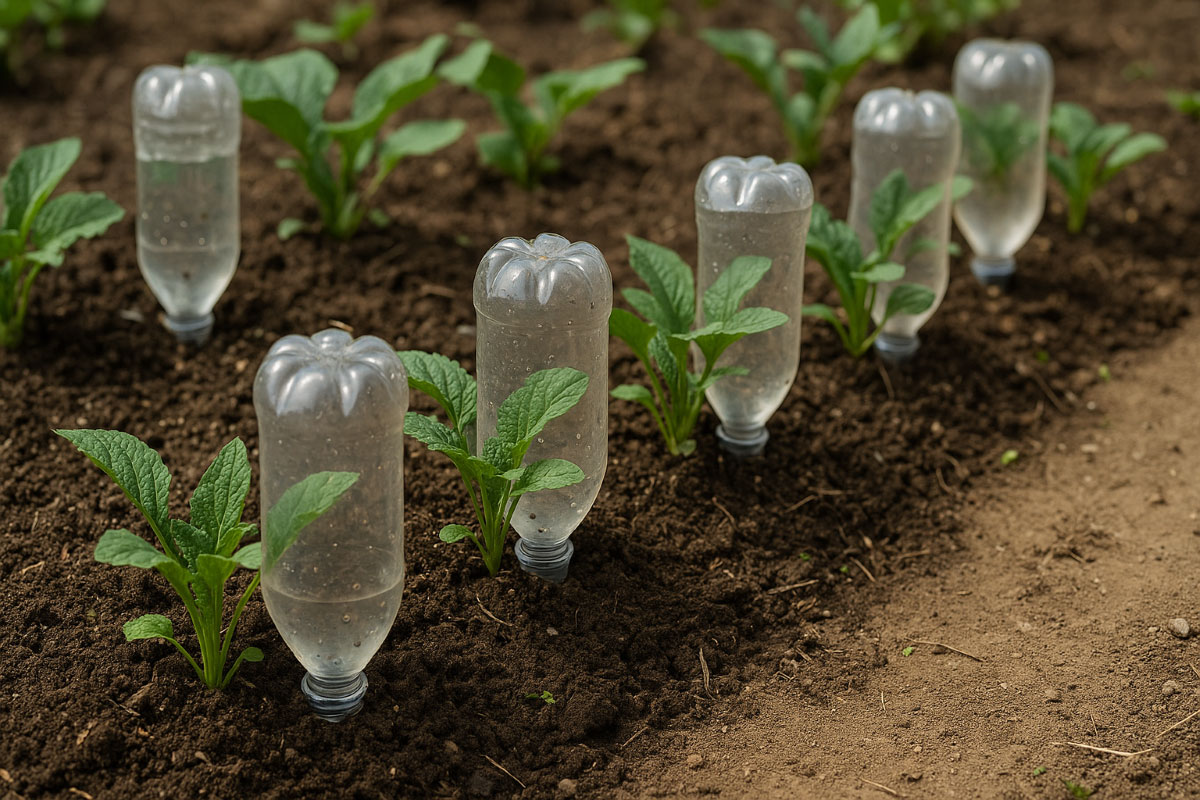
DIY drip systems made from repurposed bottles are another practical tactic. A plastic bottle with small holes buried next to a plant delivers water slowly at the root level, minimizing evaporation and reducing the risk of fungal diseases that thrive on wet foliage. Studies show that root-zone watering improves plant resilience, especially during heat waves, by keeping moisture consistent and reducing stress.
Making Better Use of Sunlight and Heat
Gardeners often wrestle with microclimates without realizing it. Every yard has warmer corners, wind-sheltered pockets, and areas that hold moisture longer. By paying attention to these patterns, you can position heat-loving plants—like tomatoes, peppers, and eggplants—where they naturally receive more warmth and reflected light. South-facing walls, stone pathways, and even fences radiate heat after sunset, extending the growing window for sensitive crops.
Cold-tolerant herbs and leafy greens benefit from the opposite treatment. Nestling them in areas with partial afternoon shade helps them stay crisp in midsummer. Research from university horticulture programs repeatedly shows that even small adjustments in plant placement can boost yields without requiring additional fertilizers or watering.
Using Everyday Items as Reliable Garden Tools
The best garden tools aren’t always bought—they’re adapted. Old kitchen utensils can serve as seedling markers, hand trowels, or soil sifters. A simple wooden spoon makes a surprisingly effective dibber for planting small bulbs or punching rows for seeds. Recycled yogurt containers become perfect mini-pots for transplanting, especially when you poke a few holes in the bottom for drainage.
One surprisingly effective hack involves using cardboard under raised beds or mulch layers. Studies confirm that cardboard blocks weeds while enriching soil as it decomposes, creating a barrier that’s both environmentally friendly and inexpensive. This trick is especially useful when starting new beds on top of existing lawn, where it smothers grass without chemicals.
Prolonging the Life of Your Harvest
Once the garden starts producing, the challenge becomes keeping that harvest fresh. One overlooked tip is storing herbs and leafy greens in glass jars with a small amount of water at the base, just like cut flowers. This keeps them hydrated and crisp for days longer than plastic bags. Tomatoes, on the other hand, store better at room temperature; refrigeration dulls their flavor.
Crops like zucchini and cucumbers benefit from consistent picking. Removing fruits regularly signals the plant to continue producing instead of shifting energy into seed maturation. Studies from agricultural extension programs highlight that timely harvesting can increase total yield substantially through the season.
Protecting Plants With Smart, Low-Cost Barriers
Pests love a lush garden as much as you do. Instead of resorting immediately to sprays, many gardeners find success with physical barriers. A simple row cover made from old sheer curtains shields young plants from insects while allowing air and light to pass through. Copper tape around raised beds deters slugs and snails through a natural electrical reaction when they attempt to cross it.
Another surprisingly effective tactic is companion planting. Basil near tomatoes improves both flavor and pest-resistance, while marigolds help repel nematodes and other soil-borne pests. These plant partnerships originate from a mix of tradition and research, offering natural protection without extra cost.
Saving Seeds for Future Seasons
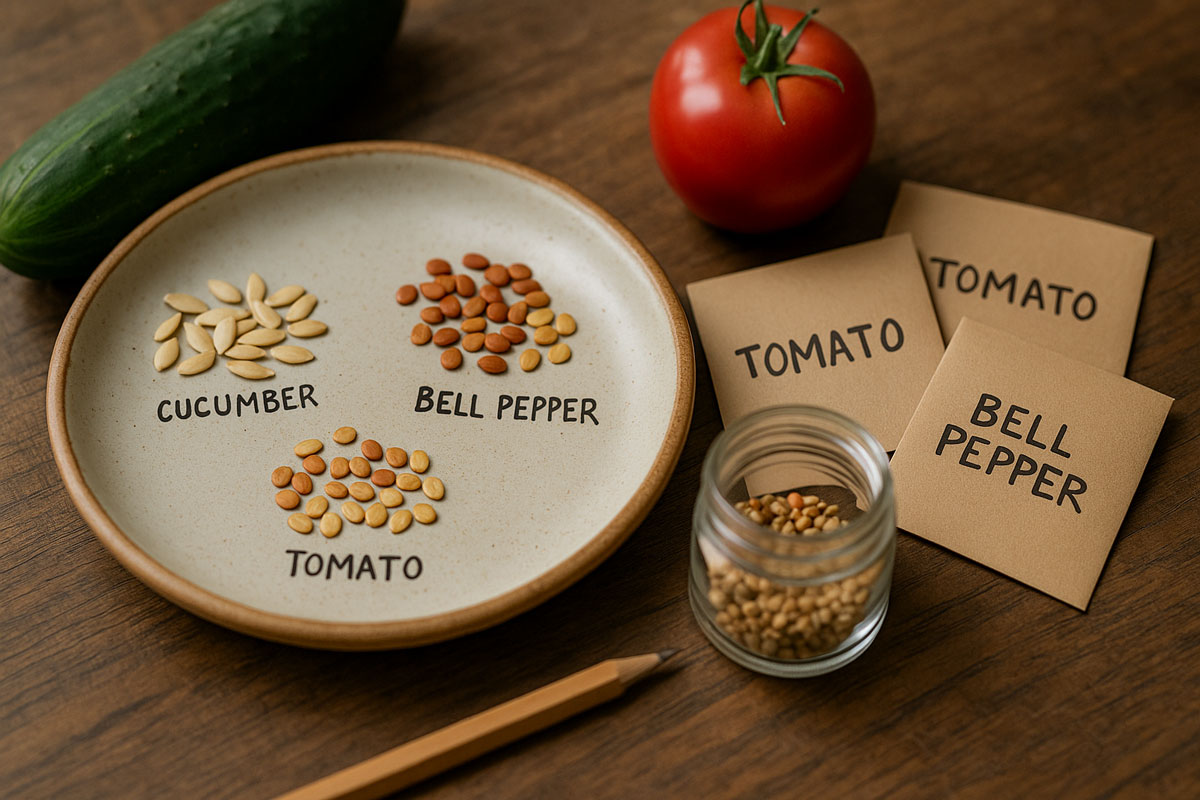
Seed saving has been practiced for thousands of years, and it remains one of the most satisfying ways to stretch your gardening budget. Open-pollinated varieties, especially heirlooms, produce seeds that stay true season after season, which means the plants you grow will reliably resemble the parent crop. When you let a handful of your best plants mature all the way to seed, you aren’t just collecting next year’s supply—you’re gradually building a custom seed library that becomes better suited to your garden’s unique conditions. Over time, these saved seeds adapt to your soil type, watering habits, and local climate, making each generation a little stronger and more resilient.
Before storing seeds, proper drying is one of the most important steps. Moisture is the enemy of long-term seed viability, and even a slightly damp seed can mold or rot in storage. Spreading seeds out on a paper towel or fine mesh screen for a week or two allows them to dry evenly. Once they’re crisp and fully cured, placing them in airtight jars or envelopes and storing them in a cool, dark cabinet helps preserve their germination power for years. Many gardeners also add a small packet of silica gel to absorb any remaining humidity.
One of the surprising benefits of saving your own seeds is the improvement in vigor that often shows up after just a few seasons. Plants grown from home-saved seeds tend to sprout faster and withstand stress better because their parents successfully completed an entire life cycle in your garden’s microclimate. Whether you’re growing tomatoes, cucumbers, beans, or flowers, seed saving connects you to the deeper rhythm of your garden and ensures that next year’s harvest begins with genetics that have already proven themselves right in your own backyard.
Growing More in Less Space
Vertical gardening is a staple trick for small yards, balconies, and even larger gardens where space efficiency matters. When you guide cucumbers, beans, peas, squash, or even melons upward along trellises, arched supports, or sturdy netting, the plants naturally benefit from improved airflow and increased exposure to sunlight. This upright growth habit helps foliage dry faster after rain or watering, lowering the chances of fungal diseases that thrive in damp, crowded environments. Research from multiple horticultural extension programs shows that vining crops grown vertically can produce higher yields per square foot because the plants expend less energy searching for light and more energy producing fruit. See here detailed plans on how to build cucumber trellis.
Another huge advantage is how clean and accessible the harvest becomes. Fruits that hang freely off the ground are less likely to rot, develop blemishes, or attract pests. Picking becomes easier on your back and knees, which is especially welcome in high-production gardens. Vertical structures also create pockets of shade at the base, which can be used strategically to grow greens like lettuce or spinach that appreciate cooler soil during the heat of summer.
Beyond trellises, there’s a wide world of vertical systems that homeowners can build with simple materials. Stacked containers are perfect for strawberries, herbs, and compact flowers, allowing you to layer several productive surfaces without increasing your footprint. Wall-mounted herb planters or pallet gardens turn unused vertical surfaces into thriving growing walls. Tiered grow systems—whether made from scrap wood, leftover fencing, or reclaimed shelving—create multiple levels of planting space while keeping tools and materials minimal. These DIY structures are inexpensive, easy to customize, and surprisingly durable when built with treated or weather-resistant lumber.
Repurposing Materials for Tough, Low-Cost Raised Beds
One of the easiest ways to create new planting areas is by repurposing materials. Old pallets, leftover construction lumber, and even worn-out stock tanks can be transformed into durable raised beds. Raised beds warm up faster in spring, drain more efficiently, and give you full control over soil composition.
Filling the bottom half of tall raised beds with logs, sticks, and coarse yard debris—a technique inspired by hügelkultur—reduces the amount of soil needed and creates long-lasting organic matter as the wood breaks down. This method saves money, lightens the structure, and improves moisture retention over time.
Using Light Layers to Extend the Season
A few well-placed row covers or cold-frame windows can turn a chilly evening into an advantage. Even a thin layer of fabric can raise nighttime temperatures around plants by several degrees, helping lettuces, spinach, and kale continue producing long after the first cold fronts arrive. Transparent lids or old windows tilted over a raised bed create a quick, makeshift cold frame that captures solar heat during the day and releases it slowly through the night.
Gardeners who take advantage of micro-season extension often enjoy fresh greens deep into winter, depending on local climate. The trick lies in protecting the root zone while allowing enough airflow to prevent mold and condensation.
Efficiency That Pays Off Season After Season
Gardening doesn’t need to rely on expensive equipment or complicated systems. Most of the time, the smartest solutions come from looking at what you already have and understanding how the natural processes in your garden work. Whether it’s saving seeds, reusing water, or building simple barriers, these clever hacks add up to a more efficient, resilient garden over time. With a few creative habits and a willingness to experiment, your garden will reward you with healthier soil, bigger harvests, and a lower bill at the end of the month.
A garden built on smart habits and resourceful thinking becomes more than a collection of plants—it becomes a system that works with you. When you take time to understand your soil, reuse what nature gives you, and rely on simple tricks that genuinely make a difference, the entire space transforms into something more resilient, more productive, and easier to care for. Every season brings new challenges, but it also brings opportunities to refine your approach and discover small efficiencies that add up in meaningful ways.
These clever hacks aren’t just about saving time and money. They help you create a garden that feels intentional and deeply connected to the environment around it. The more you observe, experiment, and adapt, the more your garden rewards you with richer soil, healthier plants, and harvests that keep improving year after year. Gardening becomes less of a chore and more of a partnership—one where your effort is multiplied by nature’s own rhythms.
Whether you’re tending a balcony full of pots or a backyard packed with raised beds, adopting even a few of these tricks will set your garden up for long-term success. Keep exploring, keep learning, and keep finding joy in the simple solutions that make your garden thrive.