
If you’re looking for a hands-on way to unplug from screens, build life skills, and make real memories with your kids, gardening checks every single box. It’s more than just digging in the dirt—it’s a living, breathing classroom right outside your door. Whether they’re pulling up homegrown carrots with wide eyes or giggling as they water tomato seedlings, these small moments turn into the kind of memories that stick.
And the best part? You don’t need a sprawling backyard or fancy gear to get started. A few containers, a sunny windowsill, or even a balcony with a couple of repurposed pots can become your family’s first garden. Choose easy starter crops—think snap peas, cherry tomatoes, radishes, or herbs—and let the kids take the lead. Watching them plant a seed, nurture it, and finally harvest something they grew themselves is a powerful experience. It builds confidence, patience, and a sense of responsibility.
Gardening with kids also opens the door to all sorts of natural lessons—about where food comes from, how pollination works, why worms are awesome, and what it means to care for something over time. And while they’re learning, you’re making the kind of quality time that no app or screen can replace. In the end, it’s not just about growing food. It’s about growing curiosity, independence, and gratitude. So roll up your sleeves, hand them a trowel, and plant something together. You might be surprised by what grows—from the soil and from them.
Start with Crops That Show Quick Wins
When gardening with kids, success builds excitement. The key is choosing fast-growing, easy-care crops that show visible progress early. Radishes are a perfect example—they sprout in just a few days and are ready to harvest in less than a month. That quick turnaround gives kids a tangible reward for their effort and keeps them interested in coming back for more. Lettuce mixes and baby spinach are also great picks—they pop up quickly, don’t mind cooler temperatures, and are perfect for snipping and tasting fresh from the garden.
Bush beans are another winner. They germinate easily, grow upright without much support, and produce handfuls of pods in just a couple of months. Plus, kids love picking beans—it’s like a mini treasure hunt. Even peas can be fun, especially varieties like sugar snap peas that you can eat right off the vine. These types of crops teach patience without testing it too much, and they help kids see that with a little care and time, something real and delicious can grow from a tiny seed. It’s hands-on learning at its best—and it just so happens to taste good, too.
Hands in the Dirt, Minds in Motion
Gardening naturally lends itself to all kinds of hands-on learning. Without even realizing it, kids are diving into real-world science, math, reading, and life skills—all disguised as play. Measuring seed spacing, reading seed packets, observing how sunlight and water impact growth—it’s a living classroom where curiosity leads the way.
In the garden, kids get a front-row seat to life cycles in action. They watch seeds sprout, leaves unfurl, flowers bloom, and fruits take shape. They see cause and effect up close—what happens if you forget to water, plant something too deep, or crowd the seedlings. Every day becomes a mini science experiment, wrapped in mud, sunshine, and wonder.
It’s also a full-on sensory experience. The gritty feel of soil, the earthy smell of compost, the tickle of roots, the fragrance of herbs, the burst of flavor from a sun-warmed cherry tomato—these are the moments that stick. These experiences engage the whole body and mind, helping young gardeners connect with nature in a way no screen can replicate.
Beyond the academics and sensory fun, gardening builds something quieter but just as valuable: confidence. Watching a plant thrive because of their own care teaches kids that their actions matter. It builds responsibility without pressure, patience without lectures, and pride without needing a gold star. Digging, planting, and watering may seem like simple tasks, but they’re quietly building fine motor skills, resilience, and a sense of ownership that goes far beyond the garden gate.
And here’s the magic: the lessons learned while pulling weeds or checking on seedlings? They tend to stick around—long after the last harvest is in and the growing season fades.
Use Containers or Raised Beds for Easy Access
If you’re tight on space or want to keep things manageable, containers and raised beds are the way to go. They’re easier for kids to reach, simpler to weed and water, and you can control the soil quality right from the start. A 4×4 raised bed is the perfect size for a child’s garden—it’s big enough to grow a satisfying variety of plants without being overwhelming. You can divide it into smaller squares and assign each one a crop or a task, giving kids a clear sense of ownership.
Even a few large pots on a sunny patio or balcony can become a thriving little garden. They’re ideal for growing herbs, cherry tomatoes, or strawberries, and their size makes them just right for small hands to dig, plant, and harvest without compacting the soil. Plus, pots and raised beds naturally limit weeds, making the whole experience less about chores and more about discovery. Whether you’re in a city apartment or a suburban backyard, you can create a hands-on garden space that’s fun, educational, and totally kid-friendly.
Pick Plants with a Fun Factor
Some vegetables are just more fun to grow—and when you’re gardening with kids, fun is everything. The best crops spark curiosity, invite hands-on exploration, and reward patience with something colorful and delicious. That’s how you turn a simple garden bed into an adventure that keeps them coming back day after day.
Take cherry tomatoes, for example. They’re like an edible treasure hunt—tucked among the leaves, turning from green to glowing red right before your eyes. Each one is a juicy little prize that kids can pop straight into their mouths. Then there are snap peas, with their satisfying crunch and sweet, garden-fresh flavor. They’re perfect for little hands to pick, peel, and snack on right off the vine.
Strawberries are another kid favorite. They grow fast, taste like candy, and give kids a reason to sprint outside each morning, checking for those ripe red gems. Watching them develop from flower to fruit is half the fun—and harvesting them is the reward that never gets old.
And while it’s not a veggie, don’t sleep on sunflowers. These golden giants grow quickly, stretch tall, and turn their heads to follow the sun across the sky. They bring instant drama to the garden and spark endless questions. Even better? They’re a gateway to learning about pollinators, seed saving, and how plants interact with the world around them.
The secret is choosing crops that engage all the senses—bright colors, interesting textures, fun shapes, and flavors kids will actually want to eat. These are the plants that do more than grow—they inspire. And in the process, they just might plant the seed for a lifelong love of gardening.
Celebrate Every Step
Whether it’s the first sprout poking through the soil, the first flower blooming, or the first tomato ready to harvest, make it a celebration. These small victories feel huge to kids and help build confidence and curiosity. Let them take the lead wherever possible—whether it’s watering the plants, checking under leaves for bugs, or choosing which seeds to plant next. Giving them their own kid-sized tools or a special garden bed makes the experience feel personal and important.
Ownership turns routine tasks into proud responsibilities. And when things don’t go as planned—maybe a seed doesn’t sprout or a plant gets nibbled—that’s okay, too. Those hiccups are some of the most valuable parts of gardening. They teach resilience, patience, and the fact that not everything has to be perfect to be worth doing. Gardening is as much about growth in the kids as it is in the plants.
Harvest Time Is Family Time
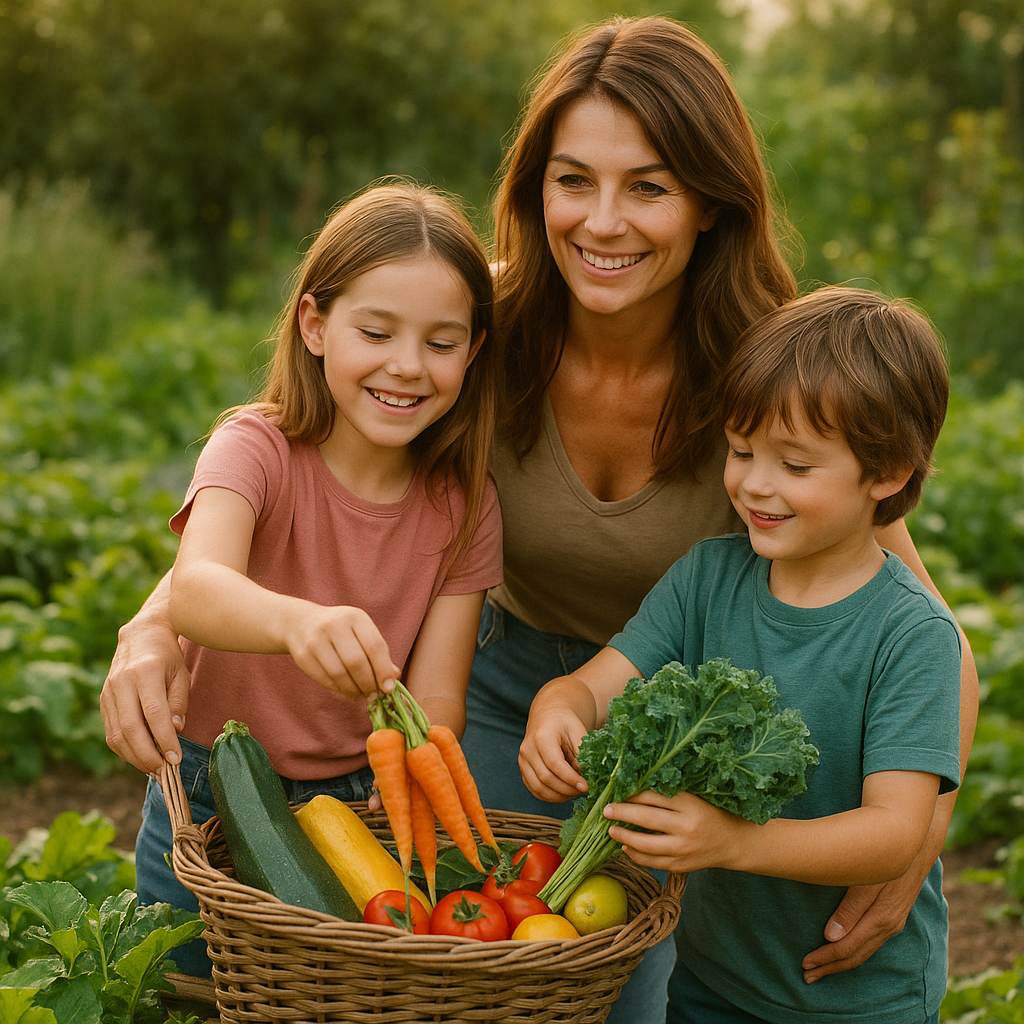
There’s something truly magical about eating food you’ve grown yourself—especially when your kids were part of the process. Harvest day becomes more than just picking produce. It’s a celebration of patience, effort, and those little everyday wins that come with nurturing something from seed to plate.
Let them be the ones to pull up the carrots, snap the beans off the vine, or pluck those bright red cherry tomatoes they’ve been proudly watching grow. Wash the veggies together at the kitchen sink and turn them into a simple snack or dinner they can take credit for. That sense of ownership? It’s powerful. Even the pickiest eaters will often surprise you when the food in front of them came from their own garden.
Suddenly, healthy eating isn’t a chore—it’s fun. It’s a reward. And it teaches them to respect what goes into a meal: the work, the waiting, and the wonder. No nagging required, just the joy of growing, harvesting, and sharing something real.
A Garden Grows More Than Just Food
By the end of the season, what you’ll have isn’t just a basket of fresh produce—it’s memories. The kind made of dirt-streaked faces, laughter over lopsided carrots, and that unmistakable look of pride when a child holds up something they’ve grown with their own two hands. Gardening with kids might start as a simple weekend project, but don’t be surprised if it blossoms into a family ritual—one that sticks around long after the last tomato is picked.
It’s not just about growing vegetables. It’s about growing confidence. Curiosity. Patience. It’s about getting your hands dirty together and discovering that good things—real, meaningful things—take time, care, and a little sunlight. These are the kinds of lessons that no screen or textbook can teach, but a garden can—quietly, consistently, and beautifully.
So go ahead—grab a trowel, scatter some seeds, and lean into the moment. You might be planting lettuce or beans or sunflowers—but what you’re really planting is wonder. And that’s the kind of growth that lasts a lifetime.