
If your goal is to walk out to your backyard in the heat of summer and fill a basket with fresh, homegrown food—you’ve got to start now. Spring is the season of new beginnings, and for gardeners, it’s prime time to plant the crops that will feed you come July and August. Whether you’ve got raised beds, a patch of dirt, or just a few containers on the patio, planting the right things now sets you up for a summer harvest you’ll be proud of.
The beauty of spring planting is that the soil is waking up, the sun is climbing higher in the sky, and most seeds are eager to sprout. This is the time to think ahead, plan smart, and get your warm-season crops in the ground before summer sneaks up. The earlier you plant (once your danger of frost is gone and the soil has warmed up), the longer your harvest window will be.
Some veggies, like tomatoes, peppers, and eggplant, need a head start—either indoors under lights or from nursery transplants. Others, like beans, zucchini, and cucumbers, are best sown directly in the ground once it’s good and warm. And don’t forget fast-growers like lettuce, radishes, and spinach—you can tuck these in now and enjoy a few harvests before the full heat of summer kicks in. Let’s dig into what to plant in spring to make your summer garden shine—and maybe even overflow with food, flavor, and a little backyard bragging rights.
Know Your Frost Date and Plan Backwards
Before you toss seeds in the soil, figure out your area’s average last frost date. That’s the starting line for your warm-weather crops. In most regions across the U.S. and Europe, this falls sometime between late March and early May, depending on your growing zone. Knowing this date helps you time your planting for maximum yield and minimal risk. Once the threat of frost has passed and the soil has warmed up—typically to around 60°F (15°C) or more—it’s game on.
For crops that need a long runway, like tomatoes, peppers, eggplant, and melons, you’ll want to give them a head start. These heat-lovers need time to mature and are best started indoors under grow lights about 6–8 weeks before your last frost date. If you’re behind on starting seeds, no worries—nursery transplants are a great shortcut and often just as effective.
On the other hand, faster growers like bush beans, cucumbers, zucchini, and summer squash can be direct-sown outdoors once the soil is good and warm. These seeds don’t love being transplanted and often do better when started right in their final spot. Just keep the bed moist during germination and be ready for quick growth once they sprout.
This careful timing makes all the difference between a bountiful summer harvest and a season of playing catch-up. So check your dates, warm up that soil, and give your veggies the start they need.
Start with Tomatoes, the Summer MVPs
Nothing says summer like a juicy, sun-warmed tomato. Whether you’re popping sweet cherry tomatoes straight into your mouth or layering thick slices of beefsteak on a sandwich, this is the crop that defines a summer garden. But to enjoy that flavor later, you’ve got to start early. Tomatoes are heat-loving plants that need a long growing season, so spring is the time to get them going.
Start seeds indoors 6 to 8 weeks before your last expected frost date. Use a sunny windowsill or a grow light setup to give them a strong start. Once those seedlings are 6–8 inches tall and nighttime temperatures stay consistently above 50°F (10°C), it’s time to transplant them outside. Choose a sunny location with well-draining soil, and give each plant plenty of space to grow.
Dig in a handful of compost or aged manure at planting time to give them a nutrient boost, and bury the stem deeper than you think—tomatoes can grow roots along their buried stems, which helps support a stronger plant. Be sure to install cages, stakes, or trellises at the same time you plant. Trying to wrangle a floppy tomato plant later on is way more hassle than setting it up right from the start. With a little planning now, you’ll be harvesting sun-ripened tomatoes all summer long.
Cucumbers, Zucchini, and Squash: The Overachievers
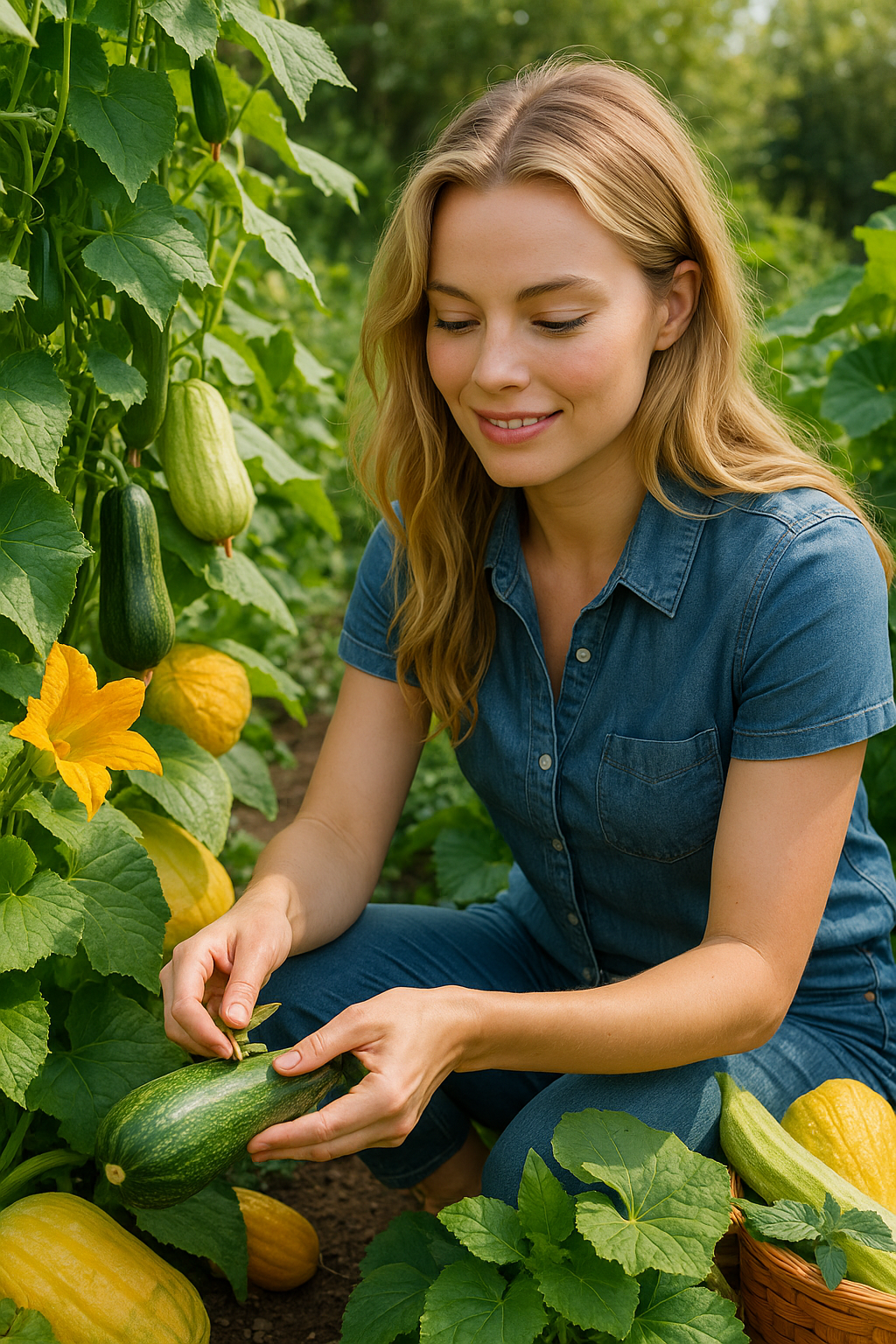
If you want a plant that practically throws food at you, cucumbers and summer squash are it. These warm-weather powerhouses grow fast, produce heavily, and ask for very little in return. As soon as the soil temperature hits 65°F (18°C), you’re good to go—just poke the seeds directly into the ground or large containers, water them in, and step back. Things move quickly from there.
Zucchini is the poster child for prolific garden plants. A couple of healthy plants can easily keep your kitchen stocked for weeks, and the more you harvest, the more they’ll produce. If you blink, you might miss the moment when a baby squash turns into a baseball bat overnight. Cucumbers are just as eager to grow, especially if you give them a trellis to climb. Not only does vertical growing save space, but it also keeps the fruits cleaner and easier to pick.
Both of these crops like rich soil, regular watering, and full sun. A layer of mulch helps retain moisture and keep weeds down, which means even less effort on your part. So if you’re looking to maximize your summer harvest with minimal hassle, these are the plants that overdeliver every single time.
Beans and Peas: Fast, Reliable, and Fun
Bush beans and pole beans are some of the most beginner-friendly crops you can grow, and they reward you fast. Once the danger of frost has passed and your soil has warmed up—usually two weeks later—you can direct sow them right into the garden. They don’t like to be transplanted, so skip the seed trays and let them sprout where they’ll grow. Bush beans are tidy and self-supporting, perfect for raised beds and containers, while pole beans shoot upward and need a trellis or pole to climb.
One of the best things about beans is how quickly they mature. In as little as 50–60 days, you’ll be picking your first harvest. And if you stagger your plantings every couple of weeks, you can keep those crisp, green pods coming well into late summer. They’re also nitrogen fixers, meaning they improve your soil as they grow—bonus points for multitasking plants.
Snap peas are a slightly different story. These cool-season champions are happiest when planted as early as the soil can be worked in spring. They love the gentle temperatures of April and May and will start producing just as your other crops are waking up. Snap peas are fast climbers, and a simple string trellis or fence is all they need to get going. Eat them fresh off the vine for a garden snack that tastes like sugar in pod form. Just be sure to pick often—this keeps the plant productive and prevents pods from getting tough.
Leafy Greens for a Quick Turnaround
While it’s true that leafy greens like lettuce and spinach thrive in cool spring weather, that doesn’t mean they’re off the table once the temperatures start rising. You just need to pick the right varieties and time your planting smartly. Heat-tolerant lettuces—like romaine, oakleaf, and butterhead—can handle early summer warmth far better than delicate leaf lettuces. And if you plant them early in the season, you’ll be enjoying baby greens in just three to four weeks.
Direct sow them in rich, well-draining soil, and keep them consistently watered to avoid bitterness and bolting. Greens grow quickly, so harvesting outer leaves regularly not only keeps the plants healthy but encourages fresh growth. If you want to stretch your harvest window even further, try a little afternoon shade or use lightweight row covers to protect your greens during the hottest part of the day. It’s a simple way to enjoy crisp, garden-fresh salads well into summer—even when the rest of the garden is sweating it out.
Carrots and Beets: Root Veggies for Summer Snacks
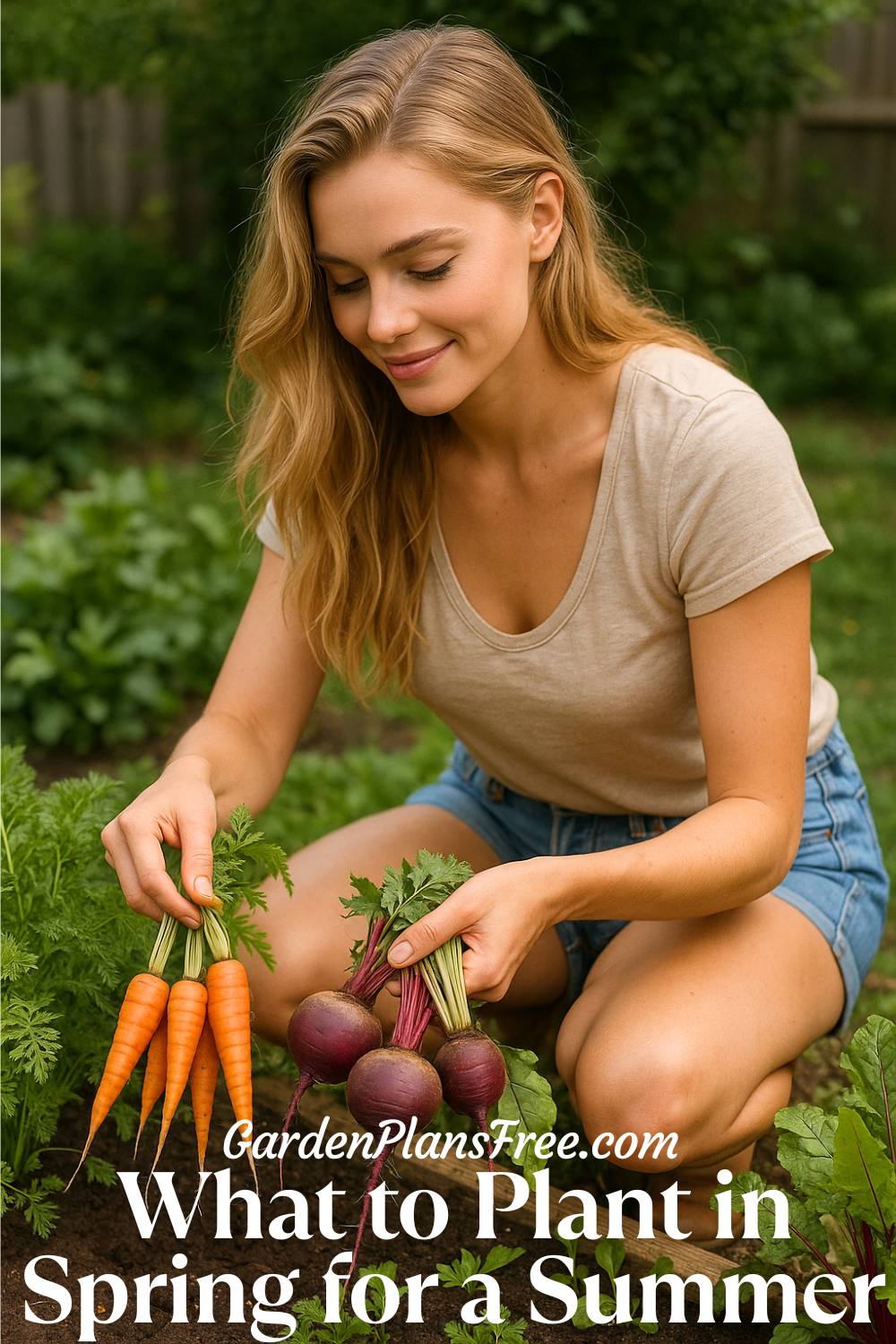
Carrots and beets are the quiet overachievers of the spring garden. They don’t demand a lot of attention, but they deliver big rewards—especially if you plant them early. These root crops prefer the cool, moist conditions of spring to get established, and once they’ve settled in, they’ll happily keep growing as the weather warms. The key is to direct sow them into loose, well-drained soil, since they don’t transplant well and need room to develop those tender, flavorful roots.
Make sure to keep the rows evenly moist during germination, which can take a little longer for carrots, and thin the seedlings once they sprout. This gives each plant the space it needs to grow strong and straight. As summer rolls in, your efforts will pay off with harvests of sweet, crisp carrots and earthy, juicy beets—perfect for everything from lunchbox snacks to backyard BBQ sides. And the best part? The tops are edible too, so you’re getting two crops in one.
Sweet Corn and Melons: The Summer Treats
Sweet corn and melons are the crown jewels of a summer harvest—nothing beats the taste of freshly picked corn on the cob or a slice of cold watermelon on a hot day. But they do ask for a bit of commitment. Corn loves full sun, steady moisture, and rich, well-fed soil. If you’re growing it, think about planting in a square or block formation, not a long row—this improves pollination and leads to fuller ears. A side-dress of compost or balanced fertilizer during the growing season will keep the plants happy and productive.
Melons like watermelon and cantaloupe are heat-lovers through and through. Give them warm soil, plenty of room to sprawl, and as much sunlight as you can offer. These vines don’t rush—they take their time to flower and set fruit—but the reward is big, juicy, and packed with flavor. Start them indoors if you have a shorter season, or wait until outdoor temps are reliably warm. Either way, keep them well-watered at the base and mulched to hold in moisture and reduce weeds. With a little patience and the right spot, your summer table will be overflowing with sweetness.
Don’t Forget the Herbs
Herbs are the unsung heroes of the summer garden. They take up little space, grow fast, and instantly elevate everything from grilled veggies to fresh salads. Spring is the best time to get your herb game started with warm-season favorites like basil, cilantro, dill, and parsley. These herbs thrive in full sun and well-draining soil, and they’re equally happy in raised beds, window boxes, or containers on the patio.
Basil loves heat and doesn’t like to be cold, so wait until nighttime temperatures stay above 50°F (10°C) before planting it out. It’s a thirsty herb, so give it regular water and pinch off the flower buds early to keep it leafy and flavorful. Cilantro prefers cooler temps and may bolt in the heat, so succession planting every few weeks can keep it coming. Dill is another quick grower that adds bright flavor to summer dishes and also attracts beneficial insects like ladybugs and parasitic wasps. Parsley’s a bit more patient—it takes longer to germinate—but once it’s going, it’s a strong performer all season. With just a little care and regular snipping, these herbs will keep you stocked with fresh ingredients for months, and you’ll never look at store-bought herbs the same way again.
Final Thoughts: Start Smart, Harvest Big
You nailed it—spring is when the real magic begins. That prep work sets the tone for the entire growing season. Whether you’re sowing your first seed or expanding your garden rows, each small step adds up to a big, flavorful payoff come summer. Starting now means giving your plants the time they need to mature, develop strong roots, and deliver the kind of harvest that makes all the weeding and watering worth it.
And it’s not just about the food. Watching something you planted from seed grow into a thriving, fruiting plant is one of the most satisfying experiences a person can have. It brings you back to the basics in the best possible way. So line up your seed trays, prep your beds, or roll out a few grow bags on the patio. Your summer harvest begins today—and your future self is going to be mighty glad you planted that first seed.