
If you’ve ever wanted a lush, productive garden without spending every spare minute pulling weeds, battling bugs, or babying fussy plants, this one’s for you. Believe it or not, you don’t need to work like a full-time homesteader to grow your own food or enjoy a backyard bursting with blooms. You can absolutely have a thriving garden and a life—no 6 a.m. weeding sessions required.
The truth is, gardening doesn’t have to be complicated. In fact, the more you work with nature instead of against it, the less effort it takes to keep things growing. With a smart setup, low-maintenance plant choices, and a few lazy-gardener-approved shortcuts, you can cut your workload in half and still enjoy baskets of homegrown veggies, fresh herbs by the kitchen door, and flowers that practically take care of themselves.
This isn’t about cutting corners or doing things halfway—it’s about gardening smarter. We’re talking drip irrigation that waters for you, mulch that blocks weeds while feeding the soil, and hardy, disease-resistant plants that can handle a little neglect. It’s about setting things up right so you can spend more time harvesting and less time troubleshooting.
So whether you’ve got a busy schedule, a bad back, or just don’t want to spend your summer chained to a hose and trowel, don’t worry. You can still grow fresh food, create beauty, and enjoy your garden your way. Let’s dig into the lazy gardener’s guide to growing more with less work—and discover how to make your garden thrive without burning yourself out.
Start Smart with the Right Plants
The real secret to a low-maintenance garden? It all starts with plant selection. Choosing the right plants for your space, climate, and lifestyle makes everything easier from day one. Native plants and regionally adapted vegetables are absolute gold when it comes to reducing effort. These plants have already adapted to your area’s soil, rainfall, and temperature swings, so they naturally thrive with less pampering. That means less watering, fewer pest problems, and more success with less stress.
If you’re growing vegetables, look for varieties that are bred to resist common diseases—like blight-resistant tomatoes or mildew-tolerant cucumbers. These are the behind-the-scenes workhorses that save you from frustration down the line. For flowers, consider self-seeding annuals like calendula, poppies, or cosmos that come back year after year with barely a nudge. And don’t overlook perennial herbs like oregano, thyme, sage, and chives—they pull double duty as beautiful, edible, and low-fuss garden staples that return season after season with minimal effort.
The key is to start small and focus on what grows easily in your area. Check with your local extension office, native plant society, or trusted garden center for recommendations. Building your garden around reliable, low-maintenance performers gives you a strong foundation—and keeps the joy in gardening without it turning into a chore. Lazy gardening isn’t about doing less—it’s about doing smarter, and this is where that mindset starts.
Mulch Like a Pro
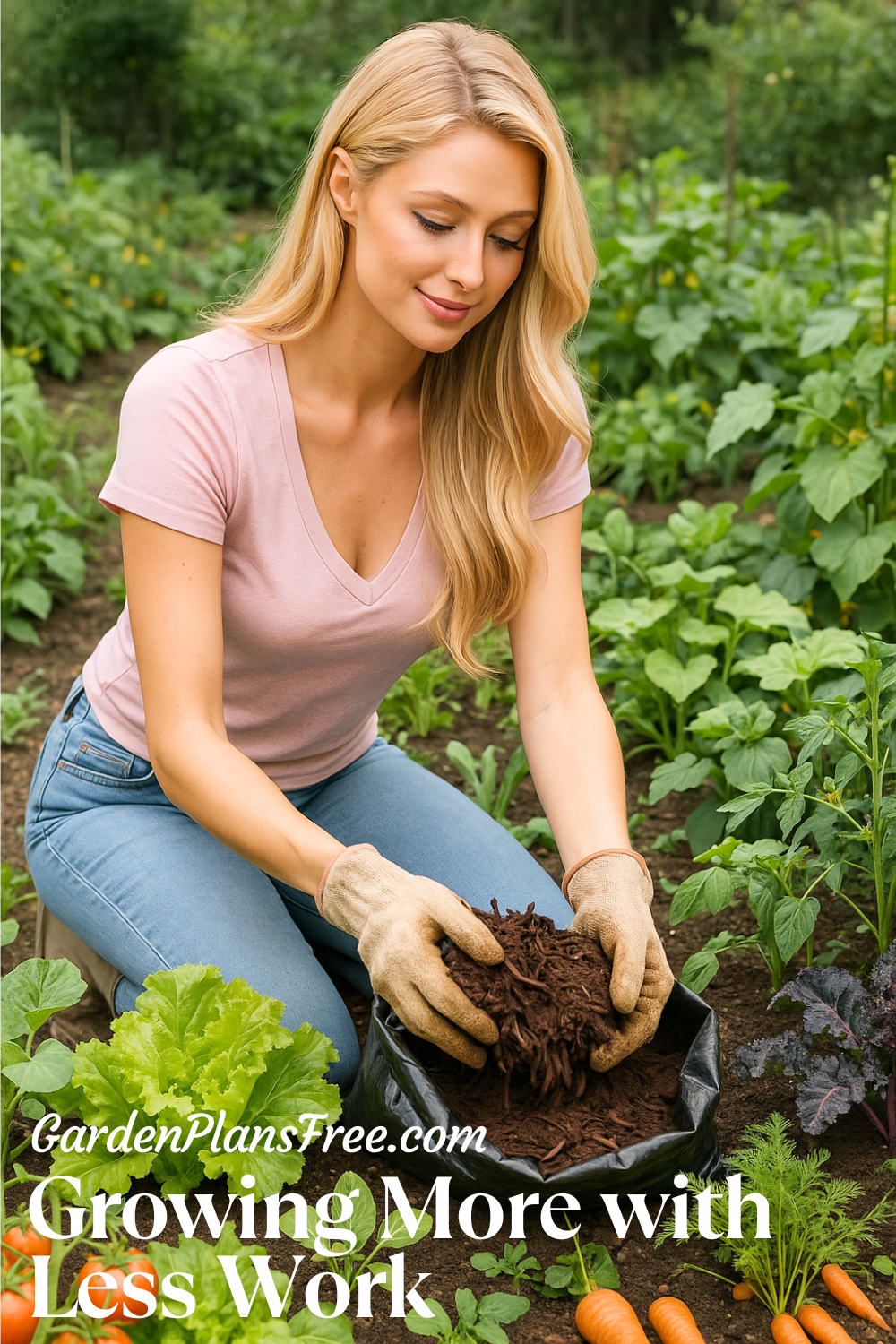
If there’s one gardening shortcut that delivers serious returns for minimal effort, it’s mulching. This simple step checks so many boxes, it’s almost unfair. Laying down a 2- to 3-inch layer of mulch around your plants helps lock in moisture, which means you won’t be out there with the hose nearly as often. It also suppresses weeds by blocking sunlight from reaching the soil surface—so fewer surprise weeding sessions when you’d rather be sipping lemonade.
But mulch doesn’t just save time above the ground—it does some heavy lifting below the surface too. As organic mulch materials like wood chips, straw, shredded leaves, or compost break down, they feed your soil with nutrients and improve its structure. Over time, that means better drainage, healthier roots, and plants that are more resilient with less effort from you. It’s like having a slow-release fertilizer and soil conditioner working quietly in the background.
The trick is to keep the mulch a few inches away from the base of your plants. Piling it directly against stems or trunks can trap moisture in the wrong places and lead to rot or disease. Think of mulch as a cozy blanket for your garden beds—but one that still lets your plants breathe. Whether you’ve got a veggie patch, flower bed, or container garden, mulch is a low-effort, high-reward investment that pays off all season long.
Embrace Raised Beds and Containers
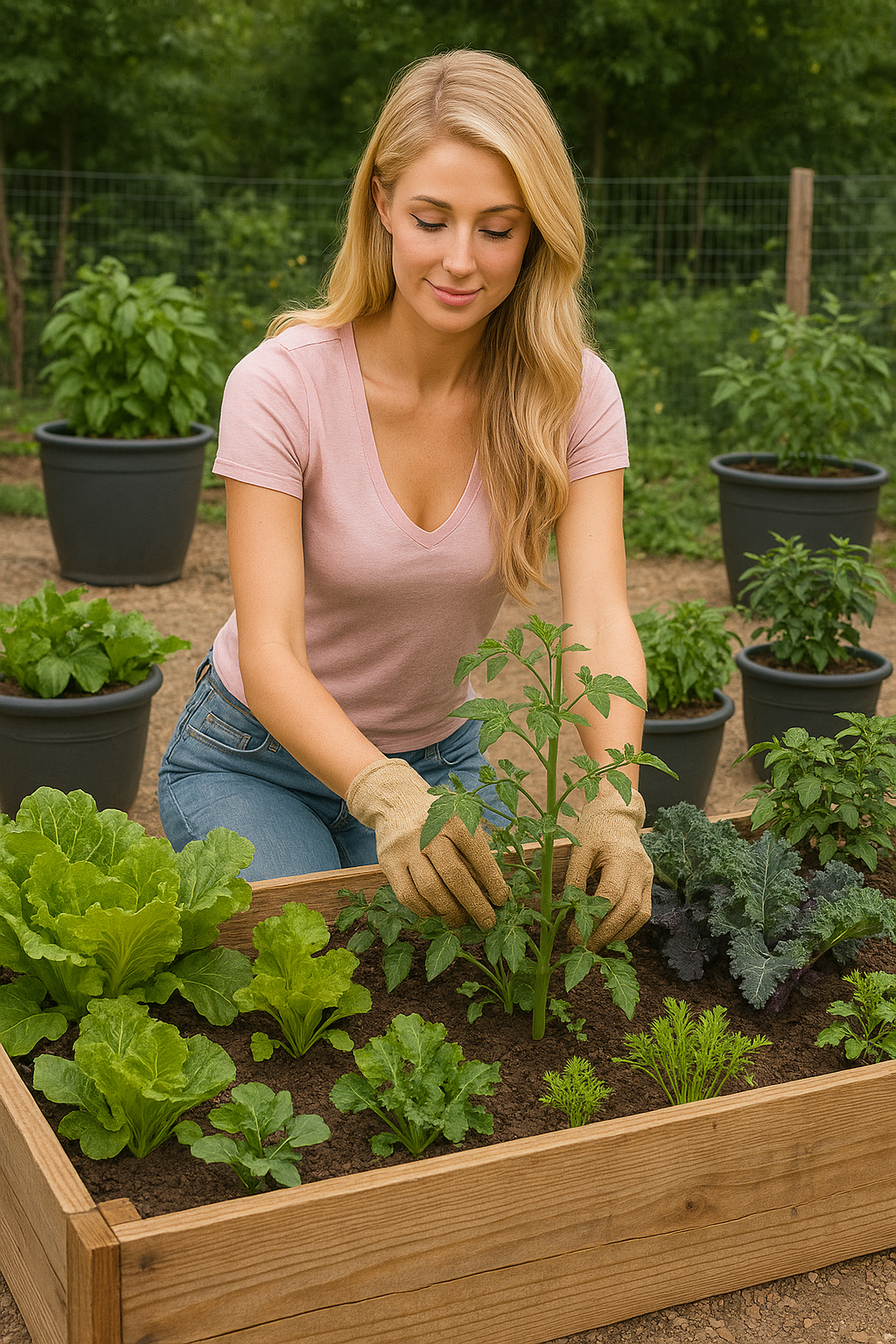
One way to instantly cut down on the gardening chores nobody loves—like weeding, watering, and constant bending—is to use raised beds and containers. These setups are a lazy gardener’s best friend because they give you full control over your growing conditions. You’re not at the mercy of poor native soil or drainage issues, and you can tailor each bed or pot with the perfect mix of compost, potting soil, and other amendments from the start.
Raised beds also warm up faster in the spring, letting you plant earlier and get a jump on the season. Plus, because they’re elevated, they’re easier on your back and knees—no more crouching in the dirt just to check on your carrots. Containers take the convenience even further. Want herbs just steps from your stove? Set a few pots of basil, thyme, and chives right outside the kitchen door and enjoy fresh flavor on demand.
And don’t underestimate what you can grow in a small space. A well-designed 4×8 raised bed can produce a surprisingly big harvest of greens, peppers, root veggies, and even compact tomato plants. Combine good soil with a layer of mulch and an efficient watering setup like drip irrigation or soaker hoses, and the upkeep becomes almost effortless. Whether you’re working with a backyard, balcony, or just a sunny porch, raised beds and containers are a game-changing solution for growing more with way less work.
Water Smarter, Not Harder
Dragging the hose around every day? Hard pass. Lazy gardeners know that smart watering—not more watering—is the key to a thriving, low-maintenance garden. Instead of giving your plants little sips that only wet the surface, aim for deep, consistent watering that soaks the soil and encourages strong root systems. Deep roots mean your plants can access moisture even during dry spells, which makes them more resilient and less needy overall.
The easiest way to make this happen is to set up a drip irrigation system or lay down a soaker hose. These methods deliver water right to the base of the plants where it’s needed most—no waste, no overhead spraying, and no chance of wetting the leaves (which can invite disease). And if you really want to earn your lazy gardener badge, hook your system up to a timer. You’ll get perfectly timed watering sessions without lifting a finger.
Aim to water once or twice a week, depending on your weather, soil type, and what you’re growing. Always water early in the morning if you can. That gives the moisture time to soak in before the heat of the day hits and helps reduce evaporation. It also gives any damp leaves time to dry out in the sun, which cuts down on fungal diseases. Your plants get what they need while you enjoy a few extra Zs—or a cup of coffee on the porch. That’s what we call gardening the easy way.
Let Nature Do the Work
A well-balanced garden doesn’t need to be micromanaged or doused in chemical sprays to stay healthy. In fact, one of the smartest (and laziest) ways to garden is by letting nature do the heavy lifting. Attracting beneficial insects like ladybugs, lacewings, and hoverflies is a game-changer. These garden allies act like your own pest control team, keeping aphids, mites, and other troublemakers in check—all while you kick back and admire the flowers. To roll out the welcome mat, plant pollinator-friendly blooms like yarrow, calendula, borage, and dill. They’re easy to grow, beautiful to look at, and double as a magnet for the good guys.
And while you’re letting insects help with the pests, don’t forget about feeding your garden the natural way, too. Composting is the lazy gardener’s best-kept secret. A basic compost bin—nothing fancy, just a pile or bin in a corner of the yard—can turn your kitchen scraps, grass clippings, and yard waste into rich, dark fertilizer that your plants will absolutely love. It’s nature’s version of slow cooking: you toss in the ingredients, give it a stir now and then, and it quietly transforms into gold for your soil.
By working with nature instead of against it, you’re reducing your workload and creating a more resilient, self-sustaining garden. Less spraying, less hauling, less fuss—and a whole lot more growing. That’s the lazy gardening life done right.
Skip the Tilling and Go No-Dig
Tilling might look like progress—it stirs up the soil, fluffs everything up, and gives you that satisfying “I did something today” feeling. But the truth is, it often causes more harm than good. Every time you till, you disrupt the delicate structure of your soil and damage the web of microbes, fungi, and earthworms that make it healthy and alive. It dries out the soil faster, brings weed seeds to the surface, and breaks down organic matter more quickly than plants can use it.
Enter no-dig gardening—the lazy gardener’s best-kept secret. Instead of turning the soil, you build it up. Start by laying down compost, mulch, and other organic materials right on top of your existing soil, no digging required. You can even cover grass or weeds with cardboard or newspaper first to smother them naturally. Then plant directly into that layered bed. It’s simple, clean, and incredibly effective.
Over time, the layers break down, and soil life takes over. Earthworms pull organic matter down into the soil, microbes flourish, and your garden becomes richer and more fertile season after season—with no back-breaking labor required. You’ll also see fewer weeds, better water retention, and far less erosion. It’s less about fighting nature and more about letting nature do the work. That’s real productivity—the kind where you get better results by doing less.
Harvest What You Use
You don’t need to grow every vegetable in the seed catalog—unless you’re aiming for burnout. One of the smartest, most satisfying ways to simplify your garden (and still feel like a rockstar) is to focus on what you actually eat and use on a regular basis. Grow the things that make their way onto your plate often—whether that’s a mix of lettuces for salads, cherry tomatoes for snacking, green beans for the grill, or herbs like basil, thyme, and parsley to toss into every dinner.
When your garden lines up with your kitchen habits, it stops feeling like one more thing on your to-do list and becomes part of your daily rhythm. Need oregano for a pasta night? Snip it right outside the door. Salad for lunch? Grab a bowl and head to the raised bed. It’s simple, seamless, and deeply rewarding.
And let’s not forget—harvesting is fun. It’s one of the most joyful parts of gardening, and it should never feel like a chore. When your garden is filled with food you love and use, you’ll actually look forward to stepping outside with a basket and filling it with ingredients you’ll eat that very day. That’s the lazy gardener’s sweet spot—maximum flavor, minimal fuss, and a dinner you’re proud of without a trip to the store.
Final Thoughts: Less Work, More Joy
The idea behind lazy gardening isn’t about being careless or cutting corners—it’s about getting smart and letting nature carry its share of the load. When you set your garden up thoughtfully from the start—with the right plants, the right systems, and a healthy dose of common sense—you can let go of the constant hustle. The mulch keeps the weeds down. The drip hose waters while you’re making breakfast. The compost pile quietly brews up next season’s soil gold. You’re not slacking—you’re designing a garden that works with you, not against you.
Whether you’re brand new to gardening or just tired of overcomplicated advice that makes it feel like a second job, lazy gardening offers a refreshingly doable path. You can grow more, waste less, and actually enjoy the process. And yes, your garden can still look amazing and impress the neighbors—all without you breaking a sweat every weekend.
So go ahead—tuck a cucumber plant into a patio pot or start that raised bed you’ve been meaning to build. Keep it low-maintenance, keep it fun, and let your garden do the heavy lifting. After all, you’ve got better things to do… like watching your tomatoes ripen while you sip lemonade in the shade of your own lazy, thriving paradise.