
When most folks think about gardening, they picture spring planting and summer harvests—but the real secret weapon in a productive backyard garden is fall planting. Late summer is your golden window to hit the refresh button and squeeze in one more round of homegrown goodness. In fact, fall might just be the most underrated season for gardening. The cooler months bring fewer pests, more stable moisture levels, and even better flavor in many crops—especially root vegetables and leafy greens that thrive in a bit of chill.
If you’ve got some tired tomato vines or bolted lettuce clearing out of your raised beds, or a few containers sitting empty on the patio, now’s the perfect time to replant. Don’t let that space sit idle. Late summer gives you just enough runway to start a fresh round of fast-growing, cool-season vegetables that actually prefer the shorter days and crisp nights of autumn. And here’s the real bonus: fall crops are often easier than their summer counterparts. Less disease pressure, fewer bugs trying to chew up your harvest, and less time spent fighting the heat or watering like crazy.
Whether you’re in zone 5 or zone 9, there’s something you can plant now for a delicious second harvest. With just a little planning and the right crops, your garden can keep producing long after your neighbors have packed up their tools for the year. It’s one of the smartest—and most satisfying—moves you can make to stretch your growing season and keep the harvests rolling well into the cozy months ahead.
Timing is Everything
Before we dive into which vegetables to plant, let’s talk timing—because when it comes to fall gardening, timing is everything. The key to success is knowing your region’s first average frost date. That one detail can make or break your fall harvest. Once you know that date, check your seed packets or transplant tags to find out how many days your crop needs to mature. Then, just count backward from that frost date to figure out when to plant. And don’t forget to factor in a little cushion—cooler temps and shorter days can slow growth, so giving your plants a head start is always a smart move.
Let’s say your average frost lands around mid-October, and you want to grow broccoli, which typically needs about 70 days to mature. You’d want to get that in the ground by early August at the latest to give it plenty of time to establish and finish strong. In warmer zones—like USDA zone 8 and up—you’ve got more wiggle room. Some fall crops can be planted well into September or even early October, depending on the variety and the weather.
If late summer is still sweltering in your area, don’t be afraid to start your seeds indoors or in a shaded spot outdoors. Many cool-weather crops like lettuce, kale, and spinach don’t appreciate triple-digit temps in their early days. Give them a cooler, controlled environment to get started, then transplant them into the garden once the weather begins to mellow out. Once they’re in the ground and the heat breaks, they’ll hit their stride—and you’ll be well on your way to a bountiful fall harvest.
Cool Weather Crops that Love a Second Act
Some of the best vegetables for fall are actually the ones that shine in cooler weather. These aren’t just survivors—they’re flavor champions. Leafy greens like kale, spinach, and Swiss chard don’t just tolerate the chill; they thrive in it. In fact, a light frost actually improves their taste. That drop in temperature triggers the plants to convert starches into sugars, giving you sweeter, more tender greens than you’d ever get in the heat of summer. It’s like nature’s built-in flavor boost.
Root vegetables also love the fall spotlight. Carrots, beets, and radishes do beautifully in the cooler months. The cold slows their growth just enough to let them bulk up while sweetening their flavor. If you’ve ever pulled a frost-kissed carrot straight from the ground, you know it’s a game-changer. These crops are reliable, hardy, and easy to grow—ideal for gardeners who want a big return without a lot of fuss.
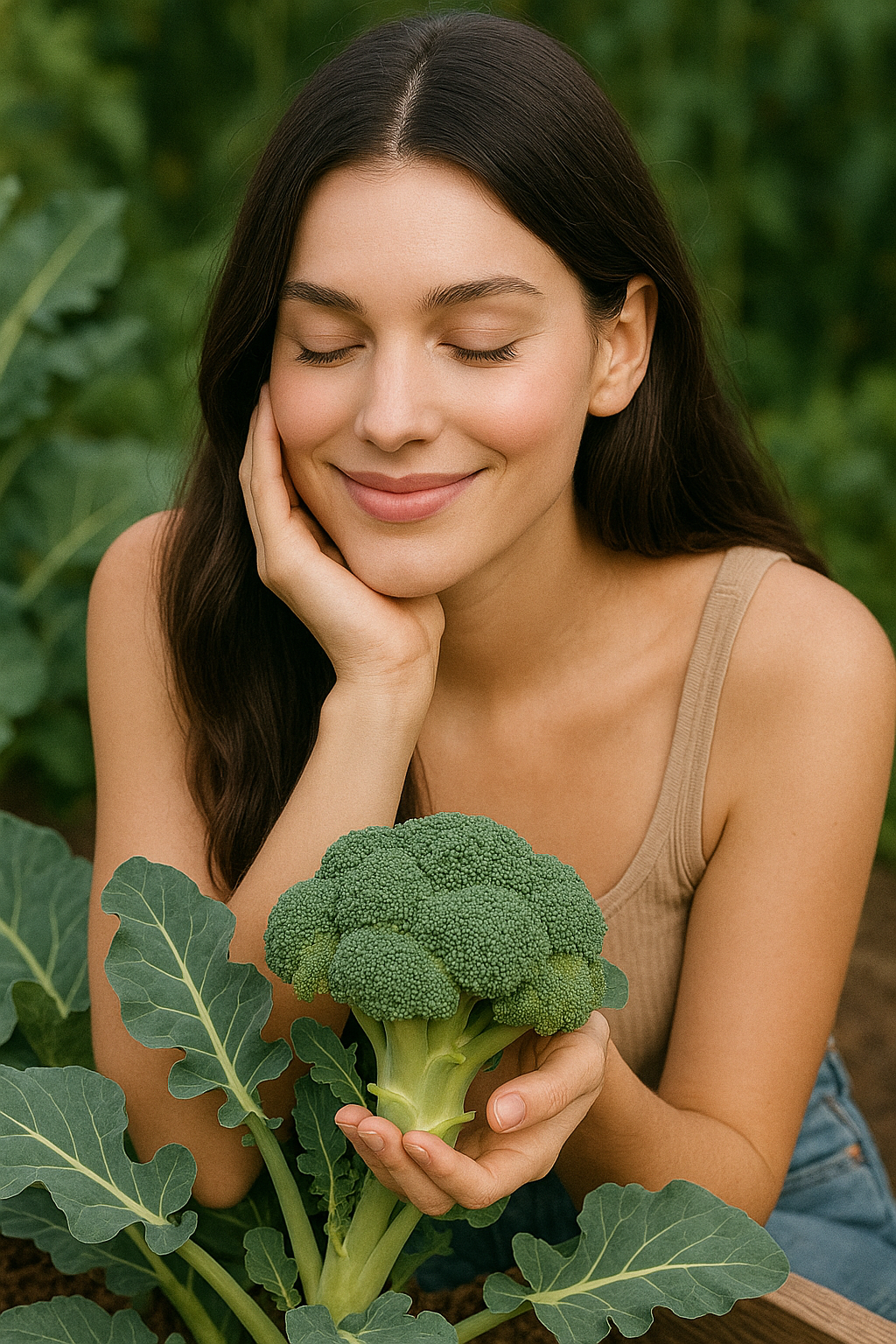
Then there’s the brassica crew—broccoli, cabbage, cauliflower, and Brussels sprouts. These guys are fall garden workhorses. They’re slower to mature than greens or roots, so you’ll want to start them early, but once they’re going, they’re incredibly resilient. Cooler temperatures mean fewer pests and better structure for these big, leafy plants. Bonus: many of them keep producing well into late fall, especially with a little protection from row covers or cold frames.
Fast-growing options like lettuce mixes and Asian greens—bok choy, tatsoi, mustard greens—are also excellent for fall planting. They grow quickly, mature in just a few weeks, and are perfect for succession planting. That means you can keep replanting small batches every couple of weeks and have a steady supply of fresh greens until a hard frost sets in. They’re also great for filling in bare spots wherever your summer crops have wrapped up.
Fall gardening isn’t just possible—it’s often easier than spring gardening. Fewer pests, slower weed growth, and better-tasting crops make it a season worth embracing. Plant the right varieties at the right time, and your garden will reward you with one of the most delicious harvests of the year.
Prep Your Beds for a Fresh Start
Before you plant your fall garden, it’s worth hitting pause for a quick soil refresh. After a long summer of production, your garden beds are likely a little tired—and fall crops, while often lower maintenance, still need a solid foundation to thrive. Start by clearing out any spent summer plants, weeds, and leftover debris. Think of it as a reset button for your soil.
Once your beds are cleared, top them off with a few inches of fresh compost or well-aged organic matter. This gives your soil a natural nutrient boost and helps improve structure, drainage, and microbial activity. Since fall crops are growing under shorter daylight hours and cooler conditions, having nutrient-rich, healthy soil helps them establish quickly and grow efficiently. It’s a small effort now that pays off big when harvest time rolls around.
If you’ve had mulch on your beds through the summer (and hopefully you have), peel it back temporarily to allow the soil to warm up. This is especially helpful if you’re direct sowing seeds, since warm soil speeds up germination and early growth. Once your seedlings are up and established, go ahead and return the mulch around them. It’ll help conserve moisture, suppress weeds, and keep the soil temperature more consistent as the nights get cooler. Good soil care is the not-so-secret ingredient that keeps your fall garden growing strong with less effort—and that’s exactly what we’re going for.
Protect and Extend Your Harvest
As temperatures start to dip, that doesn’t mean your garden has to call it quits. With a few simple season-extending tricks, you can keep the harvest rolling well past the first frost—and in some cases, right through winter. Tools like row covers, cold frames, or even something as simple as an overturned plastic bin or bucket can act like a mini greenhouse, trapping just enough warmth to keep your plants cozy through chilly nights. These small steps can buy you a few extra weeks—or even months—of fresh greens, herbs, and cold-hardy veggies.
If you’re lucky enough to live in a mild climate, you’ve got even more wiggle room. Many cool-season crops like kale, spinach, and bok choy will keep on growing with minimal protection. A floating row cover or some plastic sheeting on hoops can make a world of difference when frost is in the forecast. And if you’re growing in raised beds, it’s easy to toss a cover on top and turn it into a quick DIY cold frame.
Even in colder zones, don’t be too quick to yank everything out. Root crops like carrots, parsnips, and even beets are perfectly happy staying in the ground well into winter, as long as they’re insulated. Pile on a thick layer of straw, shredded leaves, or mulch to keep the soil from freezing solid, and you can pull up sweet, earthy roots long after the rest of the garden has gone to sleep. The cold actually improves their flavor—each frost nudging the plants to concentrate sugars and deepen their sweetness.
Extending your season doesn’t take a greenhouse or a big investment—just a few clever tricks and a willingness to keep going when others are packing it in. And there’s nothing quite like harvesting a fresh carrot or handful of spinach when the rest of the landscape is bare and gray. That’s the magic of fall gardening done right.

Fall Gardening = Less Fuss, More Flavor
As temperatures start to dip, that doesn’t mean your garden has to call it quits. With a few simple season-extending tricks, you can keep the harvest rolling well past the first frost—and in some cases, right through winter. Tools like row covers, cold frames, or even something as simple as an overturned plastic bin or bucket can act like a mini greenhouse, trapping just enough warmth to keep your plants cozy through chilly nights. These small steps can buy you a few extra weeks—or even months—of fresh greens, herbs, and cold-hardy veggies.
If you’re lucky enough to live in a mild climate, you’ve got even more wiggle room. Many cool-season crops like kale, spinach, and bok choy will keep on growing with minimal protection. A floating row cover or some plastic sheeting on hoops can make a world of difference when frost is in the forecast. And if you’re growing in raised beds, it’s easy to toss a cover on top and turn it into a quick DIY cold frame.
Even in colder zones, don’t be too quick to yank everything out. Root crops like carrots, parsnips, and even beets are perfectly happy staying in the ground well into winter, as long as they’re insulated. Pile on a thick layer of straw, shredded leaves, or mulch to keep the soil from freezing solid, and you can pull up sweet, earthy roots long after the rest of the garden has gone to sleep. The cold actually improves their flavor—each frost nudging the plants to concentrate sugars and deepen their sweetness.
Extending your season doesn’t take a greenhouse or a big investment—just a few clever tricks and a willingness to keep going when others are packing it in. And there’s nothing quite like harvesting a fresh carrot or handful of spinach when the rest of the landscape is bare and gray. That’s the magic of fall gardening done right.