
When we think about gardening, most of us picture tidy rows of tomatoes, cucumbers, or lettuce—annual favorites that grow fast, feed us for a season, and then call it quits. Every year, the cycle starts over: seed, plant, water, harvest, repeat. But what if you could plant something once and keep reaping the rewards year after year? That’s where perennial crops come in, and they’re kind of the unsung heroes of the garden world. These dependable plants keep producing for multiple seasons, often with less effort than their high-maintenance annual cousins.
Perennial vegetables, herbs, and fruits offer a whole new layer of sustainability to your space. They build strong root systems that stabilize the soil, reduce erosion, and improve nutrient cycling. Many of them also flower each season, offering a reliable food source for pollinators like bees and butterflies. And here’s the really good part—they tend to be more resilient to pests, drought, and disease once they’re established. In short, they age like fine wine and make your job easier every year.
If you’re trying to cut down on your yearly garden chores, boost your soil health naturally, or just want to add some beauty and bounty to your yard, perennials are a smart way to do it. They’re great for filling in those awkward garden corners or anchoring a raised bed you want to “set and forget.” You won’t get instant gratification like you would with radishes or salad greens, but once these plants get settled, they’ll pay you back season after season with minimal fuss.
Whether you’re carving out space in a backyard plot, adding life to a permaculture setup, or just want a few reliable food crops that don’t need to be babied, perennial plants deserve a permanent place in your garden plan. You can mix them in with your annuals, give them their own dedicated bed, or build a food forest around them—the possibilities are wide open. Let’s take a closer look at five standout perennial garden crops that can feed you for years to come—and what you need to know to grow them the right way. These aren’t just practical—they’re powerhouses.
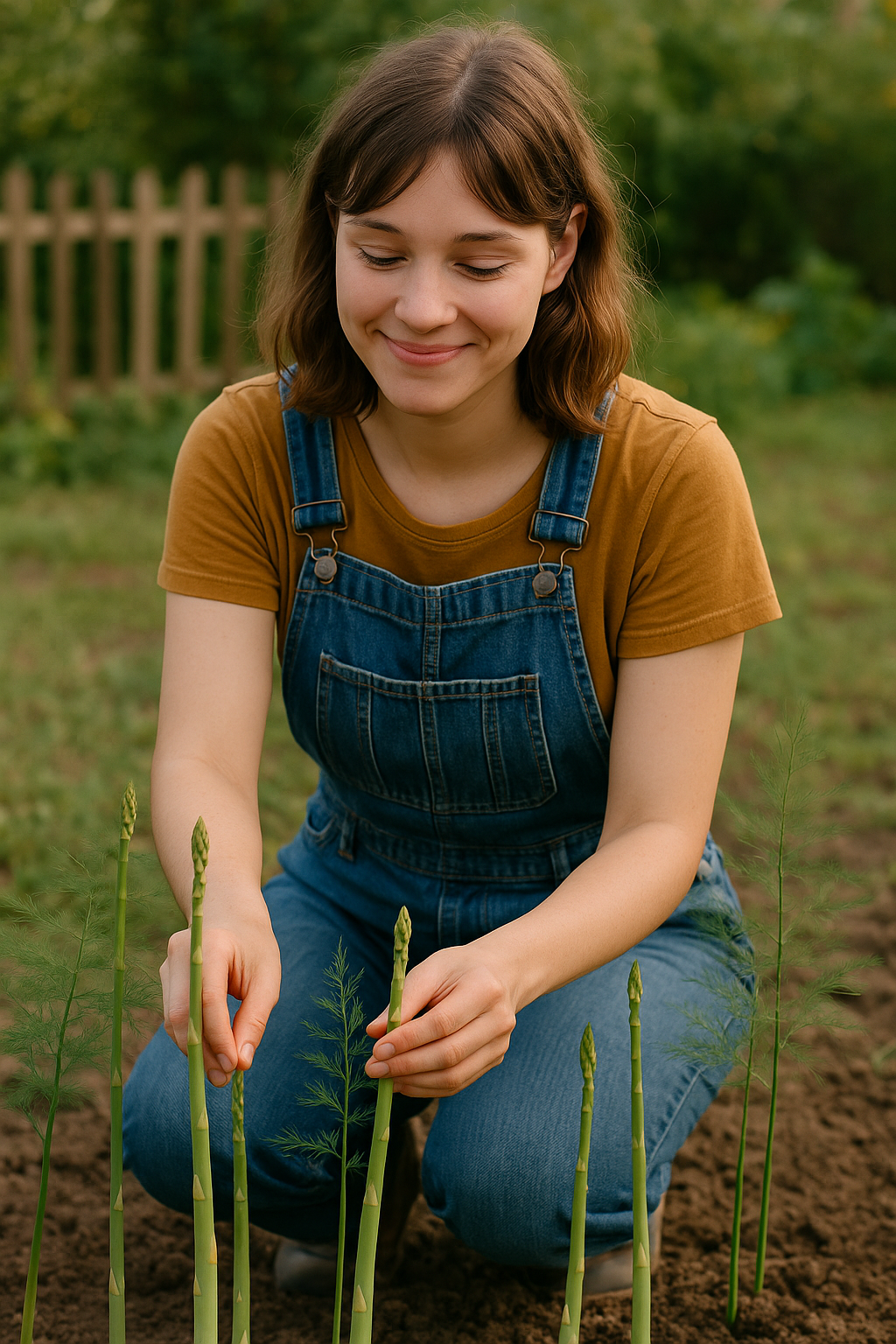
Asparagus: The Long-Term Investment That Pays Off
Asparagus might take a little patience up front, but once it’s established, it’s like a springtime gift that keeps on giving—year after year. It’s one of the first crops to poke through the soil after a long winter, often emerging while most of the garden is still waking up. And it’s not just early—it’s reliable. With proper care, a single asparagus bed can produce tender, flavorful spears for 15 to 20 years, sometimes even longer. That’s a serious return on investment for a plant you only need to establish once.
The key to long-term success with asparagus is starting it off right. Choose a sunny, well-drained spot that won’t get disturbed, since this perennial doesn’t like being moved once it’s settled in. Most gardeners start with one-year-old crowns (those gnarly root clusters you’ll find at nurseries or online), which gives you a head start over growing from seed. Dig a trench about 6–8 inches deep, space the crowns 12–18 inches apart, and cover them gradually with soil as they grow. This helps develop strong, deep roots that will fuel the plant for decades to come.
Be prepared to play the long game here—resist the temptation to harvest during the first year, and only take a few spears during the second. It’s tough to hold back, but letting the plants fully establish ensures bigger, healthier harvests down the road. By the third year, you can enjoy a full season of picking, and from then on, it’s game on every spring.
Asparagus loves rich soil, so make sure to mix in lots of compost or aged manure before planting. It also hates competition, so keep the bed weed-free, especially in the early years. Mulching helps lock in moisture and suppress weeds while protecting those shallow roots.
Once the harvest window (usually 6–8 weeks) comes to a close, let the spears grow out into tall, feathery ferns. These aren’t just pretty—they’re critical to the plant’s life cycle. The ferns photosynthesize and feed the root system, helping to build up energy reserves for next year’s crop. In the fall, wait until the ferns turn yellow or brown before cutting them back to ground level.
With just a little effort early on—and a bit of patience—your asparagus bed will reward you with crisp, delicious spears every spring, without fail. It’s one of the most rewarding perennial crops you can grow, and once you get your first real harvest, you’ll be glad you made the investment.
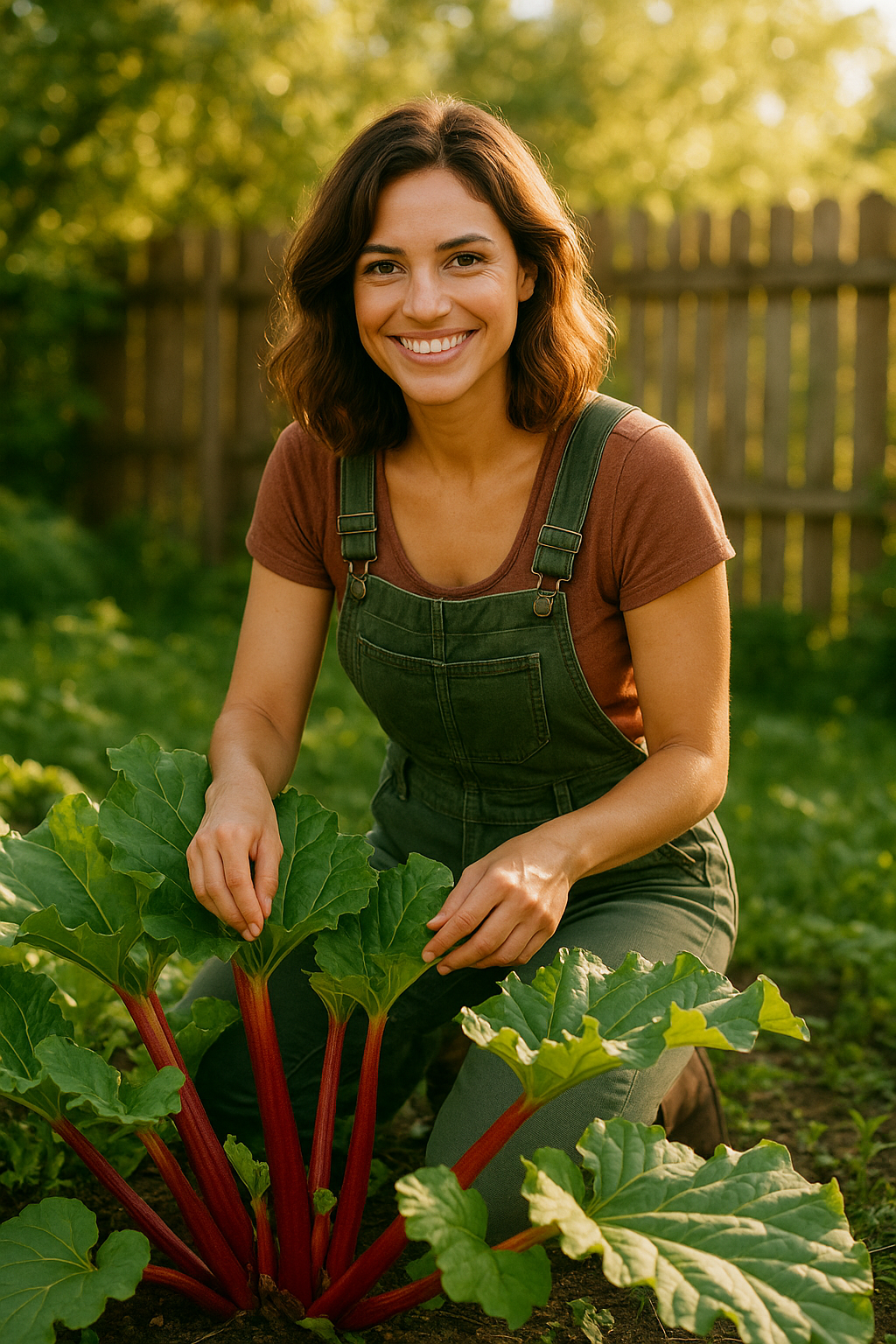
Rhubarb: A Tart Favorite That Thrives With Neglect
Rhubarb is about as low-maintenance as it gets. Plant it once, and you’ll have a rugged, dependable crop that comes back stronger and bigger with each passing spring. This cold-hardy perennial is a dream for gardeners in cooler climates, where it absolutely thrives. By midspring, it transforms into a towering plant with thick, crinkled leaves and striking red or green stalks that are perfect for pies, jams, sauces, or even savory pairings with meats and cheese. It’s a kitchen garden classic—and for good reason.
Rhubarb prefers a sunny spot, though it can tolerate partial shade, especially in warmer zones where some afternoon relief is welcome. The most important thing is soil that drains well. Rhubarb roots hate sitting in soggy conditions, so choose a spot that won’t stay wet after a rain. Before planting, work plenty of compost or aged manure into the bed to give those roots a rich, well-aerated home. Good soil prep is key to getting a strong start.
When planting crowns (usually in early spring or late fall), give each one 3 to 4 feet of space in every direction—these plants get huge. They’ll spend the first season establishing roots, and while it’s tempting to start pulling stalks right away, don’t. Let the plant put all its energy into building a strong foundation. Starting in year two, you can begin harvesting lightly, and by year three, you’ll be able to enjoy a full harvest each spring.
To harvest, gently twist and pull the stalks from the base when they’re about 12–18 inches long—don’t just cut them off. Always leave at least a third of the stalks behind so the plant has enough energy to keep growing. And here’s an important note: never eat the leaves. While the stalks are perfectly safe and delicious, the leaves contain oxalic acid and are toxic to humans and animals. Trim and discard them as soon as you harvest.
Rhubarb is one of those crops that actually benefits from being left alone. It doesn’t need much feeding once established, but a top dressing of compost in early spring can give it a healthy boost. Mulching helps retain moisture and suppress weeds, especially in the heat of summer. In colder zones, a thick layer of straw in late fall can help protect the crown through winter.
All in all, rhubarb is a no-fuss perennial powerhouse. With very little maintenance, you’ll be rewarded with a dependable harvest year after year. It’s a true workhorse of the perennial garden—and when that first pie hits the table, you’ll know it was worth every inch of garden space.
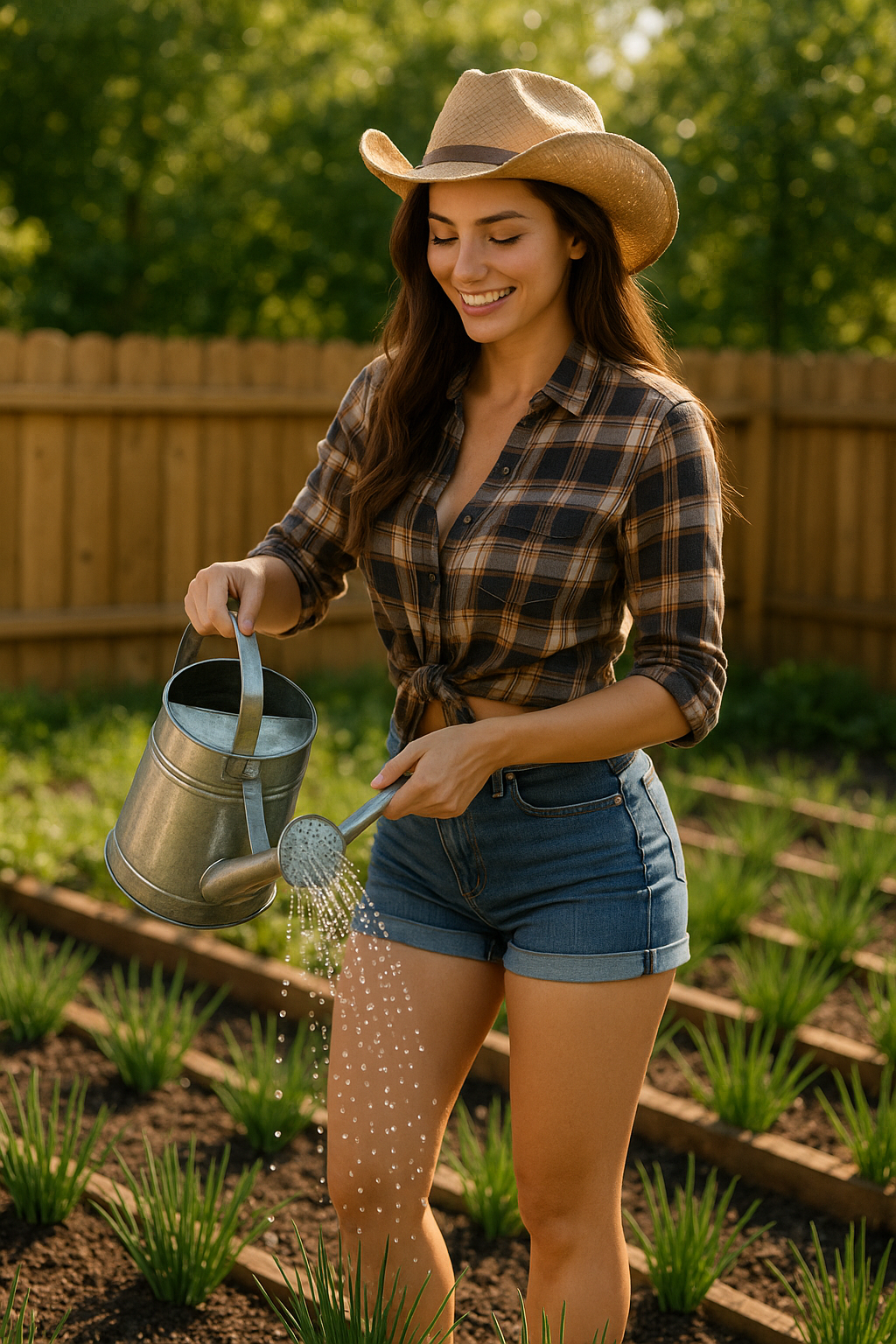
Chives: Flavorful and Fuss-Free
Chives are the definition of a “plant-it-and-forget-it” crop—a true set-it-and-forget-it staple for any garden. Once they’re in the ground, these hardy perennial herbs ask for almost nothing in return and still show up year after year, ready to flavor your meals and add beauty to your beds. Their mild onion taste makes them the perfect finishing touch for everything from scrambled eggs and baked potatoes to soups, salads, and homemade dressings. And they’re not just useful in the kitchen—their pretty purple pom-pom flowers bloom in late spring and early summer, attracting pollinators like bees and butterflies while adding a splash of color to your herb patch or flower border.
Chives are incredibly versatile. They grow well in traditional garden beds, raised beds, and even containers on a patio or balcony. If you’ve got a sunny windowsill, you can grow them indoors, too. While they prefer full sun for best growth and flower production, they’ll tolerate partial shade—just expect a little slower growth. As for soil, chives aren’t picky. They’ll do fine in average, even slightly poor soil, as long as it drains well. That said, they’ll reward you with lush green growth if you toss in a little compost or organic matter at planting time.
Harvesting chives is as easy as it gets. Just snip the hollow green leaves near the base whenever you need them, starting in early spring. Regular trimming encourages fresh growth and helps prevent the plant from becoming woody or flower-heavy too early. If the plant does flower, go ahead and let it put on a show—but for a steady supply of leaves, snip the blooms before they go to seed. You can also let them reseed if you’d like to grow new patches elsewhere—they’re generous like that.
Every three or four years, take a few minutes in early spring or fall to divide your chive clumps. This keeps the plant healthy, prevents overcrowding, and gives you free plants to share or expand your herb garden. Just dig up the clump, separate the roots by hand or with a garden knife, and replant them about 6 to 12 inches apart.
And if you’re looking to mix things up, try garlic chives. They have flat, strap-like leaves instead of hollow ones and carry a mild garlicky flavor that’s perfect in stir-fries, marinades, and compound butters. They also bloom later in the season with starry white flowers, giving your garden a second wave of pollinator action.
Whether you’re after low-maintenance flavor, visual charm, or pollinator support, chives more than earn their place in any garden. They’re a small-space hero, a perennial performer, and one of the easiest ways to make your food—and your garden—just a little more special.
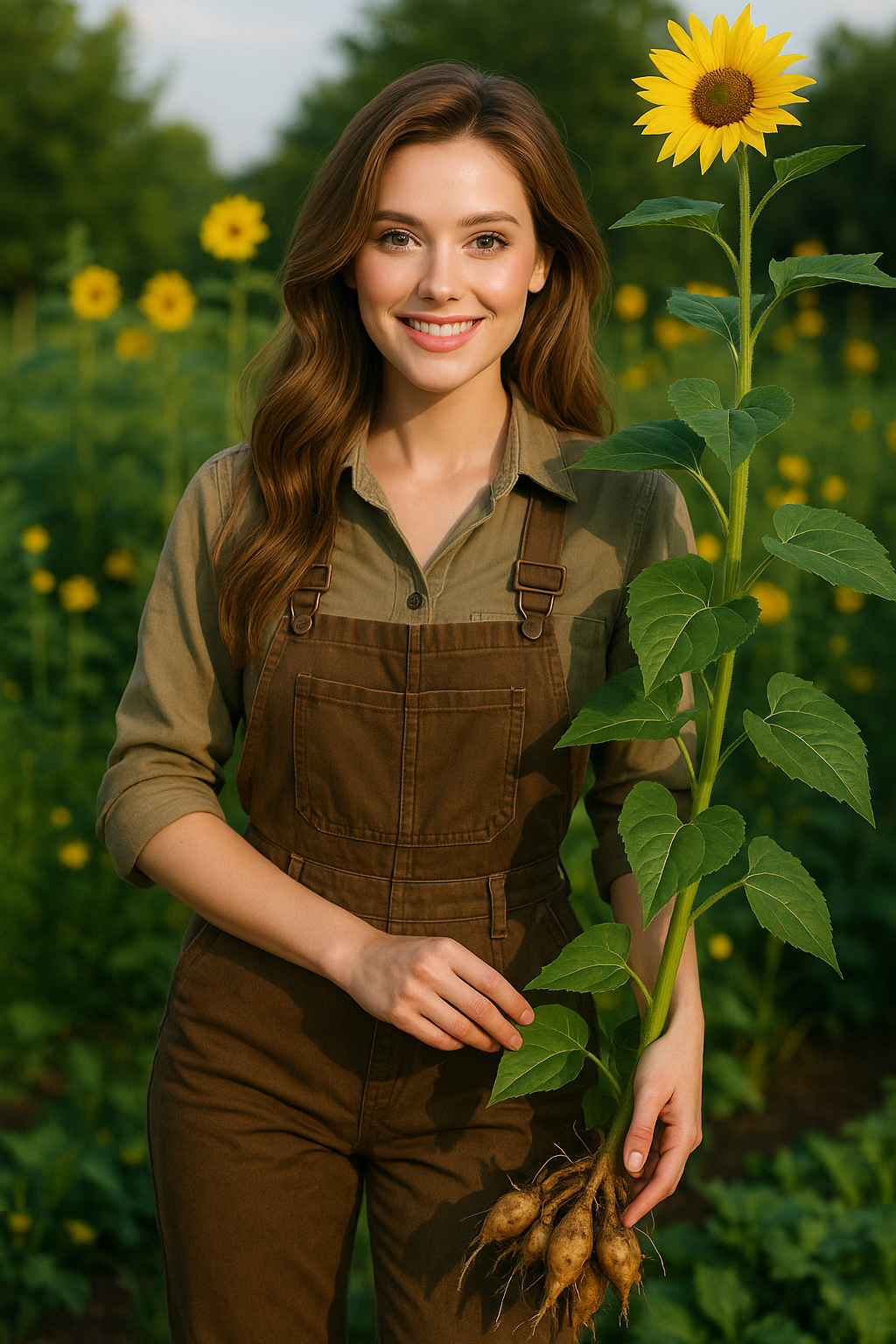
Jerusalem Artichokes: The Edible Sunflower You Didn’t Know You Needed
Also known as sunchokes, Jerusalem artichokes are one of the most underrated powerhouses in the perennial garden. These rugged, productive plants pull double duty: above ground, they send up tall, cheerful, sunflower-like blooms that can reach 6 to 10 feet in height; below the soil, they grow knobby, crisp tubers with a sweet, nutty flavor that’s somewhere between a potato and a water chestnut. The tubers are incredibly versatile—you can roast them, mash them, sauté them, or toss them into soups and stews. They also store well in a cool, dark place, making them a fantastic winter food source when fresh produce is scarce.
Jerusalem artichokes are tough and adaptable, thriving in a wide range of soils as long as there’s good drainage. They prefer full sun and don’t require much in the way of fertilizer or care once they’re established. In fact, they’re so low-maintenance and vigorous that their biggest “problem” is abundance. These plants will spread quickly and enthusiastically, so unless you want them showing up all over your garden, it’s smart to plan ahead. Choose a spot where they can have some space to themselves, or contain them in a deep raised bed or large planting area with borders to keep the roots from wandering.
Plant tubers in early spring, spacing them about 12 to 18 inches apart and 4 to 6 inches deep. They’ll grow steadily through the season and flower in late summer to early fall. The flowers are not only pretty, but they also attract beneficial insects and pollinators. When the blooms begin to fade and the tops die back—usually after the first light frost—it’s time to harvest.
Dig carefully with a garden fork to avoid damaging the tubers, and you’ll likely uncover a generous crop. Leave a few tubers in the ground to ensure next year’s patch—they’ll overwinter just fine in most climates and pop up again in spring without any help. In fact, once you plant them, you’ll probably never have to replant again.
A word of advice: Jerusalem artichokes are high in inulin, a type of fiber that can cause digestive discomfort for some folks when eaten in large amounts. Start small, cook them well, and see how your body responds.
Whether you’re aiming for a more self-sufficient garden, want an edible ornamental with major visual impact, or just love finding hidden gems in the soil come fall, Jerusalem artichokes are a top-tier perennial crop that deliver big flavor and even bigger returns year after year.
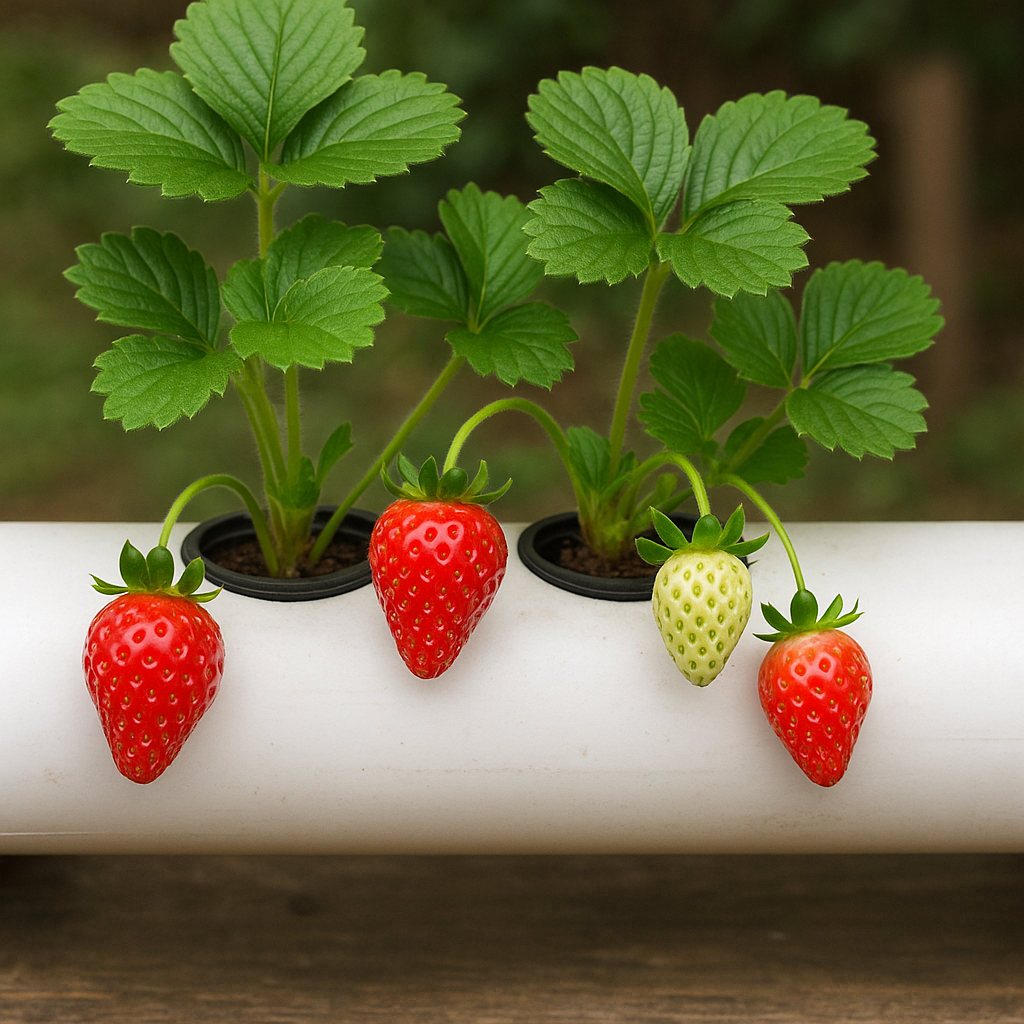
Strawberries: Sweet, Spreading, and Self-Sustaining
Strawberries may not be a textbook perennial everywhere, but in most temperate climates, they absolutely act like one—returning year after year with a little bit of care and management. These sweet, ruby-red berries are a garden favorite for good reason: they’re easy to grow, burst with flavor when picked ripe, and don’t take up a lot of space. With just a little planning, you can enjoy fresh strawberries for years without starting over from scratch each season.
The first step to long-term strawberry success is choosing the right variety for your needs. June-bearing strawberries produce one big, concentrated crop in early summer—perfect if you’re planning to preserve, freeze, or bake in batches. Everbearing varieties usually give you two main harvests, one in early summer and another in late summer or early fall. Day-neutral strawberries, on the other hand, produce fruit steadily from late spring through fall as long as conditions are right. While each type has its pros and cons, all of them can be grown as perennials in zones 4 through 9 with proper care.
Strawberries need full sun—at least 6 to 8 hours a day—and rich, well-drained soil. They prefer slightly acidic soil (pH around 5.5 to 6.8) and benefit from a bed amended with compost or aged manure before planting. Good drainage is essential, especially in areas with heavy rainfall, so consider growing them in raised beds or mounded rows to prevent root rot. Once planted, apply a thick layer of straw mulch around the base of the plants to help retain moisture, suppress weeds, and keep the berries off the soil, where they’re more prone to rot and pests.
As the plants grow, they’ll begin sending out runners—those skinny, vine-like stems that shoot out from the main plant and try to root in nearby soil. Left alone, runners will happily take over your garden, so some light management goes a long way. You can let a few runners root in strategic spots to replace older plants or fill gaps in your bed, but too many can lead to overcrowding and smaller berries. Aim to thin your patch every fall or early spring by removing weaker mother plants and trimming excessive runners.
While strawberry plants are productive right from the second year, they tend to slow down after about three seasons. That doesn’t mean your strawberry bed is done—it just means it’s time to rotate in some of the younger plants you’ve allowed to root from runners. With a cycle of occasional replanting, thinning, and fertilizing, you can keep a healthy, high-yielding strawberry patch going for many years without starting over entirely.
A little bonus? Strawberry flowers attract pollinators, their ground-hugging habit acts like living mulch, and their red berries are just about the most satisfying thing to spot on a sunny day in the garden. Whether you’re growing them in tidy rows, raised beds, containers, or even vertical planters, strawberries are a perennial favorite in more ways than one.
Final Thoughts: Perennials for the Win
Perennial crops aren’t just a time-saver—they’re a long-term investment in your garden’s productivity and resilience. These plants require less tilling, less replanting, and often improve the structure and fertility of your soil just by being there year after year. Once established, they reduce your seasonal workload and provide a dependable source of fresh food with minimal upkeep.
So if you’re looking to build a garden that works smarter—not harder—give these five perennial champs a try. Whether you have a full homestead or just a few raised beds, perennial crops are a great way to grow more with less and enjoy the fruits of your labor for years to come. Since you are here, you can also take a look over my article on 5 vegetables not worth growing in your garden.