
There’s nothing more frustrating than putting your heart, time, and energy into a garden—only to see your plants fading, drooping, or turning yellow before your eyes. You’ve watered, you’ve fed, you’ve checked for bugs—so what gives? If you’ve ever stared helplessly at curling tomato leaves, drooping basil, or browning flower petals, wondering what you did wrong, you’re far from alone. Every gardener, from beginner to seasoned pro, hits that moment where things start to go sideways. But here’s the truth: plants don’t die without a reason. They’re always responding to something—soil conditions, watering habits, light exposure, pests, or even temperature swings.
The good news? Once you understand what your plants are telling you, you can often reverse the damage—or at the very least, prevent it from spreading to the rest of your garden. The key is knowing what to look for and how to respond. In this guide, we’ll break down five of the most common reasons plants struggle, backed by expert insights from sources like the University of Florida IFAS Extension and the Royal Horticultural Society. Whether you’re working with a few pots on a balcony or managing a full backyard greenhouse, this knowledge gives you the upper hand. It’s not about being perfect—it’s about paying attention, making a few smart adjustments, and learning with each growing season. Because once you know the “why,” saving your plants becomes a whole lot easier.
One important factor that often flies under the radar is plant spacing. Even if everything else is dialed in—perfect watering, rich soil, adequate sunlight—crowded plants will struggle. Without enough airflow between them, moisture lingers on leaves and soil, creating the perfect breeding ground for diseases like powdery mildew and blight. Crowded roots also compete for nutrients and water, which stunts growth and weakens the entire system. Giving your plants the space they need from the start can prevent a whole host of future problems—and help each one thrive on its own terms.
Another game-changing practice is keeping a simple garden journal. It might sound like overkill, but jotting down what you planted, when you watered, fertilized, transplanted, or noticed issues can turn into one of your most powerful tools over time. You’ll start spotting patterns—like which beds drain poorly after a storm or which plants always attract aphids. It’s a habit that pays off season after season, helping you make better decisions, avoid repeat mistakes, and grow stronger with each passing year. Gardening isn’t just physical—it’s observational. The more you notice, the more you grow.
1. Watering Mistakes: Too Much or Too Little
One of the most common reasons plants decline—especially in summer—is watering mistakes. It might seem like a no-brainer, but it’s easy to overdo it or forget entirely. The truth is, too much water is just as damaging as too little. Roots need oxygen as much as they need moisture, and when soil stays saturated, oxygen gets pushed out. That suffocates the roots, leading to rot, yellowing leaves, stunted growth, and eventually, a plant that can’t bounce back. On the flip side, if you let your soil dry out completely—particularly in containers or raised beds—plants become stressed fast. Leaves wilt, edges brown, and fruit production grinds to a halt.
The fix isn’t just watering more or less—it’s watering smarter. That starts with knowing what your plant actually needs, because not all crops are created equal. Tomatoes, for example, like consistent moisture, while succulents prefer to dry out between waterings. Instead of sticking to a rigid schedule, use the soil itself as your guide. Stick your finger one to two inches into the soil. If it’s dry at that depth, it’s time to water. Still damp? Give it another day. Also pay attention to drainage—containers should have holes at the bottom, and in-ground plants benefit from a layer of mulch, which helps retain moisture and keeps surface roots cooler. Getting watering right isn’t just a detail—it’s foundational. Healthy, well-watered roots give your plants the best shot at resisting pests, heat, and disease.
2. Poor Soil Health or Nutrient Imbalance
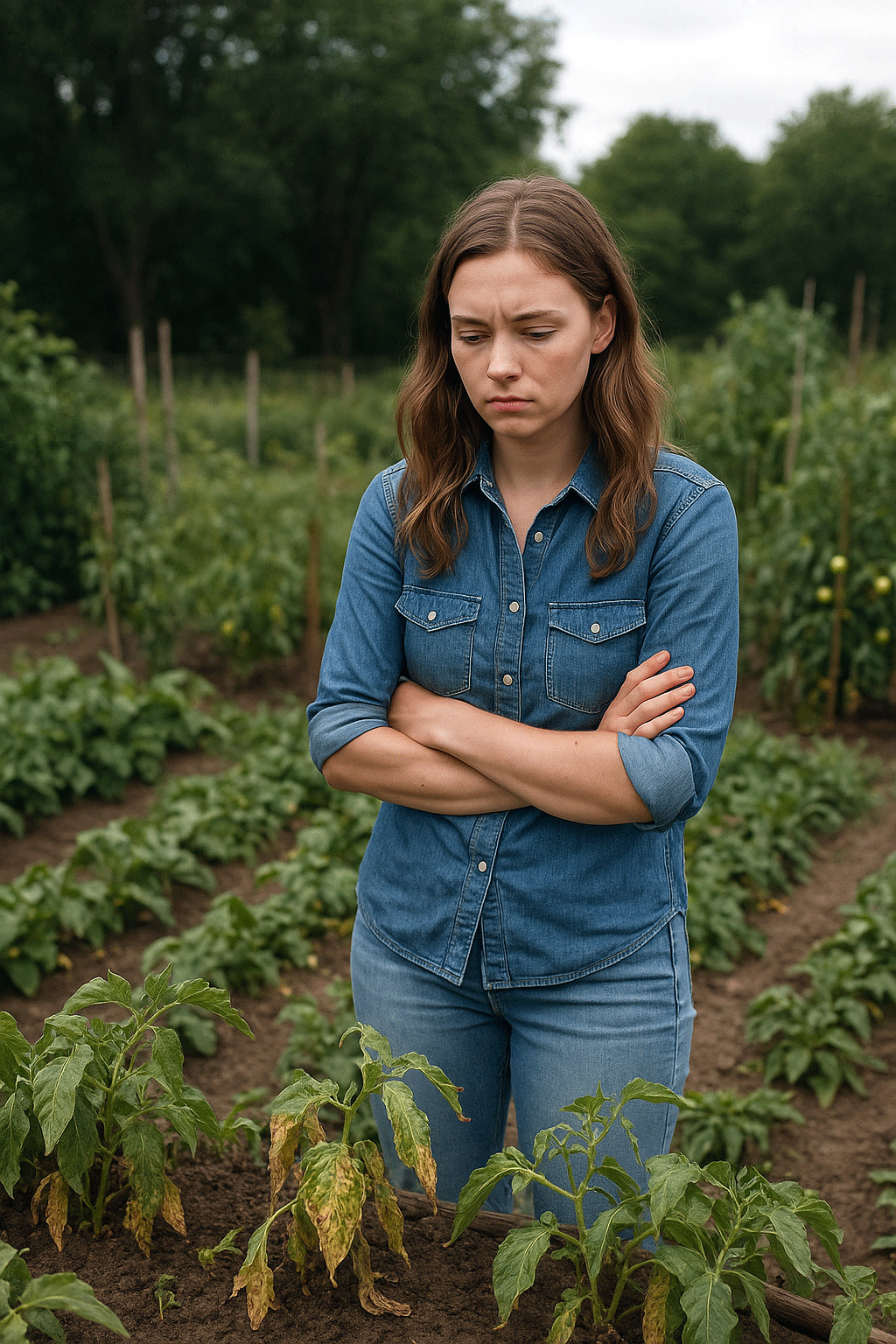
Soil isn’t just dirt—it’s the living, breathing foundation of your entire garden. When something’s off below the surface, your plants will show it above ground. Poor soil structure, compacted earth, or nutrient imbalances can quietly sabotage your best efforts. Even when you’re watering properly and getting plenty of sun, plants can still struggle if the soil isn’t delivering what they need. If your veggies are growing slowly, leaves are turning strange colors, or blossoms are falling off prematurely, the problem likely starts in the root zone. For example, yellowing lower leaves often point to a nitrogen deficiency, while purple-tinged foliage could mean there’s not enough phosphorus available for healthy root development.
The smartest way to troubleshoot is to start with a soil test. Most cooperative extension offices offer them for a small fee, and there are also accurate at-home kits available online or at garden centers. A test takes the guesswork out of gardening. You’ll learn your soil’s pH, what nutrients are lacking, and whether you’re dealing with excess salts or imbalances that could be locking nutrients away. That’s powerful information. It can save you from blindly dumping on fertilizers that not only waste money but could harm your plants or the environment. Focus on building soil health with compost, organic matter, and slow-release nutrients. When you treat your soil like the living system it is, your plants will respond with stronger growth, better yields, and fewer mysterious problems year after year.
3. Lack of Sunlight (Or Too Much)
Every plant has a sweet spot when it comes to light—it’s one of the most important factors in how well your garden grows. Sun-loving crops like tomatoes, peppers, cucumbers, and squash need a solid six to eight hours of direct sunlight each day to thrive and produce fruit. Without it, they stretch out, get leggy, and deliver disappointing harvests. On the flip side, leafy greens like lettuce, kale, and herbs like parsley or cilantro actually prefer a bit of shade during the heat of the day. Too much intense sunlight can cause them to bolt early, turn bitter, or develop scorched leaves. The problem? Many gardeners plant by habit or guesswork, not based on actual light conditions—and plants pay the price.
If your plants look healthy but aren’t growing or blooming the way they should, take a good look at how much sunlight they’re really getting. Watch how the light shifts in your garden from morning to evening—it’s often more patchy than we think. A plant might get bright sun at 10 a.m. but be shaded by a fence or tree for most of the afternoon. The good news is, this issue is usually easy to fix. Move containers into better-lit areas, trim back overgrown shrubs, or adjust your layout to make better use of your sunniest real estate. And if you’re gardening indoors or in a low-light yard, don’t underestimate the power of LED grow lights. Matching your plant’s light preference to its location is one of the simplest ways to boost growth, health, and productivity without spending a dime.
4. Pest and Disease Pressure
Sometimes the reason your plant is declining has nothing to do with how you’re caring for it—and everything to do with what’s silently attacking it. Pests and diseases can sneak in and take hold fast, especially during warm, humid conditions or periods of plant stress. Aphids cluster on new growth and suck out plant juices. Spider mites leave behind fine webbing and speckled leaves. Powdery mildew coats foliage in a dusty white film, while root rot lurks below the surface, slowly choking out your plant from underneath. These aren’t rare occurrences—they’re some of the most common threats in the garden, and they often strike when you’re not looking.
The most effective way to fight back is to catch problems early. Make it a habit to walk your garden a few times a week, inspecting plants up close—especially the undersides of leaves and the base of stems. That’s where trouble usually starts. If you spot pests or early signs of disease, act quickly. Remove affected leaves, isolate infected plants if possible, and apply targeted treatments like neem oil, horticultural soap, or even a strong blast of water to dislodge insects. If a plant is too far gone, pulling it may be the best way to protect everything else. Keep in mind, the stronger your plant’s overall health, the better it can resist attacks in the first place—so your efforts with soil, watering, and light aren’t just maintenance, they’re part of your best natural pest control strategy.
5. Transplant Shock and Environmental Stress
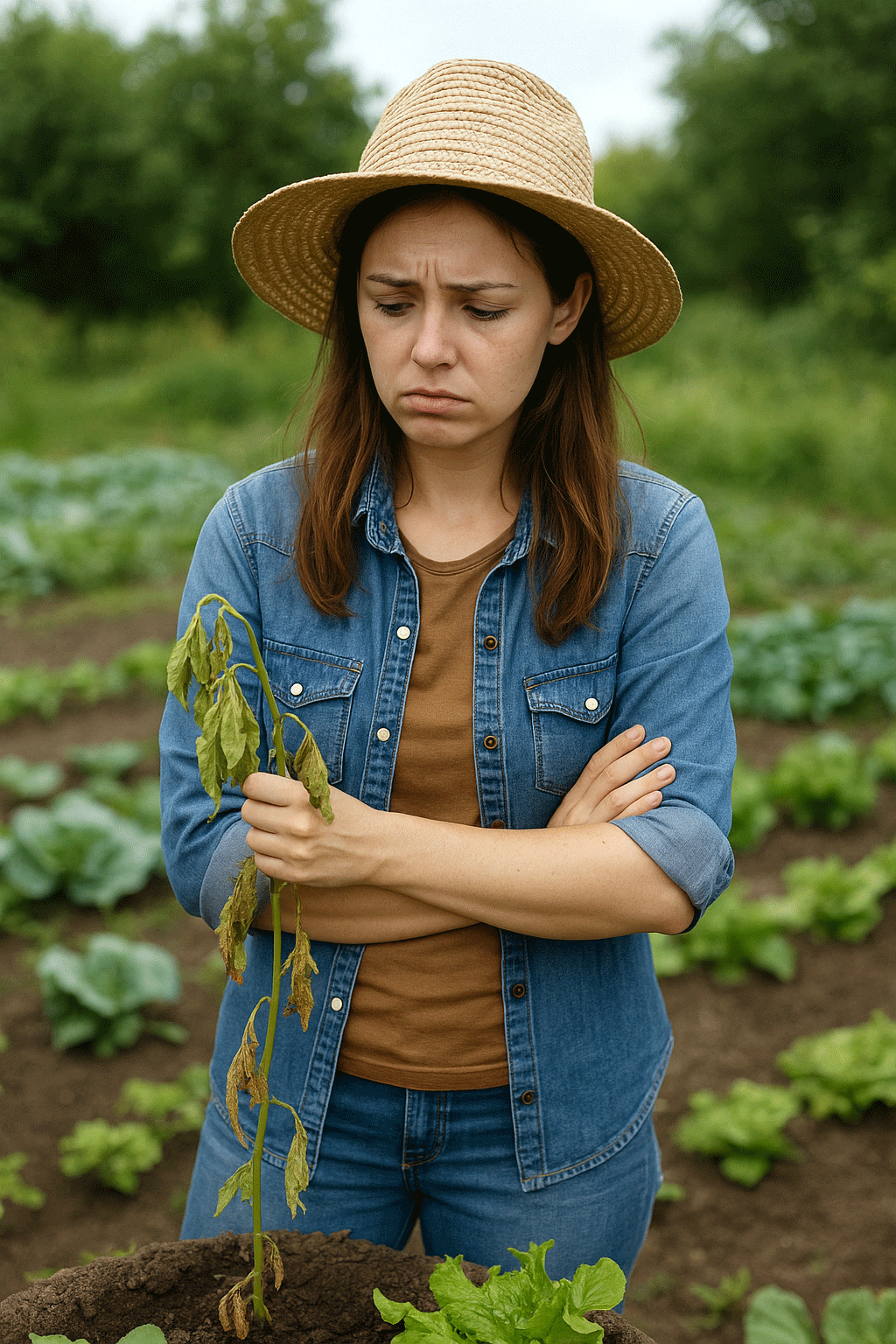
Even when you’ve done everything right—picked the perfect spot, prepared the soil, and planted at the right time—your plants can still struggle if they’re hit with transplant shock. It happens when roots get disturbed and the plant suddenly has to adjust to a brand-new environment. The stress can show up quickly in the form of wilting, drooping, pale leaves, or stalled growth. And it’s not just transplanting that causes problems—weather swings, unexpected wind, or sudden cold snaps can throw your plants into survival mode just as easily. These types of shocks are especially common when moving young seedlings from a cozy indoor setup into full outdoor exposure.
The key to avoiding or minimizing this stress is to ease your plants into new conditions. If you’re moving seedlings outdoors, harden them off gradually—start with a couple of hours in dappled sunlight, then slowly increase their exposure over a week. For established plants, always water deeply after transplanting and skip the fertilizer until roots have time to settle. Adding mulch around the base can help stabilize soil moisture and protect roots from temperature swings. While some drooping right after transplanting is normal, most plants will bounce back with a little patience and care—especially if the move was gentle and they’re rooted in good soil. It’s all part of helping your garden adapt and thrive, one careful step at a time.
Conclusion: Know the Signs, Save the Plant
When a plant starts declining, it can feel like it’s happening out of nowhere—but more often than not, the signs have been there all along. Leaves droop, colors shift, new growth slows down—your plants are constantly communicating. The real shift happens when you learn to listen. That’s the difference between guessing and growing. When you start spotting early stress signals and connecting them to watering habits, soil health, light levels, or pest pressure, you move from being a casual gardener to someone who’s truly in tune with the garden. And the good news is, most issues can be reversed—or at least contained—with a few thoughtful tweaks and a willingness to keep showing up and learning. Since you are already here, you can also check out my post on 5 vegetables not worth growing in your garden.
So the next time a plant isn’t looking its best, don’t take it as a failure—take it as feedback. Ask questions, dig into the root of the problem (sometimes literally), and try a small, informed change. You’ll be amazed at how resilient your garden becomes once you begin to troubleshoot with confidence. Because every thriving garden is built on experience—on seasons of trial and error, on plants that didn’t make it, and on lessons that stuck. So don’t panic. Get curious. Your best growing season might still be ahead.