
There’s something incredibly peaceful—almost grounding—about watching bees and butterflies flutter through your backyard, dipping into flowers with a kind of quiet purpose. It’s a reminder that even in the smallest garden, nature is alive and working. But beyond the beauty, there’s a much bigger reason to make space for pollinators: your garden depends on them. Bees, butterflies, hummingbirds, and even beetles play a critical role in fertilizing over 75% of all flowering plants. That includes many of the fruits and vegetables we love—tomatoes, cucumbers, strawberries, squash, and so much more. Without these hard-working visitors, our gardens would be less productive, our harvests smaller, and our ecosystems far less resilient.
The good news is that you don’t need acres of wild meadow to support pollinators. Whether you’ve got a balcony container garden, a handful of raised beds, or a full backyard landscape, you can make a real difference. Creating a pollinator-friendly garden doesn’t mean giving up your vision or letting things grow out of control—it just means being intentional. By choosing the right plants (especially native ones), avoiding harsh chemicals, and thinking about habitat as much as aesthetics, you can create a space that’s not only beautiful to look at, but genuinely beneficial to bees, butterflies, and the wider web of life they support.
In this guide, we’ll break down the practical steps to grow a pollinator garden that buzzes with life—from the flowers that attract the most activity to the small details that make pollinators feel safe and welcome. Whether you’re just getting started or looking to fine-tune what you’ve already built, you’ll find simple, impactful ways to turn your garden into a haven that gives back—season after season.
One important aspect that often gets overlooked in pollinator gardening is the role of night pollinators—especially moths and certain species of beetles. While bees and butterflies get most of the spotlight, many plants rely on nocturnal pollinators to complete their cycles. Flowers like evening primrose, moonflower, and four o’clocks open at dusk and provide nectar to nighttime visitors. By including a few of these night-blooming varieties in your garden, you extend the window of pollination beyond daylight hours, creating a more complete and resilient ecosystem that supports a wider variety of species.
Another helpful tip is to avoid using bagged mulch made with dyed or treated wood, especially in areas where ground-nesting bees might live. These types of mulch not only reduce access to bare soil but may also contain residues that affect insect health. If you do mulch, consider using untreated straw, shredded leaves, or compost that breaks down easily and still allows some soil exposure. You can also plan your layout to include pollinator “zones”—little pockets of native plants, water, and natural shelter—that serve as landing pads in different parts of your yard. This way, no matter where the bees are foraging, they’ll never be far from a safe place to rest and refuel. Small design choices like these can have a surprisingly big impact on pollinator activity and overall garden health.
Why Pollinators Matter in Every Backyard
Pollinators aren’t just a feel-good addition to the garden—they’re absolutely vital to our food system and the health of natural ecosystems. According to the U.S. Department of Agriculture, pollinators are responsible for one in every three bites of food we eat. That means your apples, tomatoes, cucumbers, berries, melons, and even crops like almonds and coffee all depend on the quiet, consistent work of bees, butterflies, and other pollinating species. Their job? Transferring pollen from flower to flower so plants can set fruit and reproduce. Without this natural system, yields drop sharply—and in some cases, plants won’t produce at all.
The problem is, pollinator populations are in trouble. Habitat loss from development and agriculture, widespread use of pesticides (especially neonicotinoids), disease, and the lack of plant diversity in large-scale farming all contribute to their decline. Native bee species are particularly at risk—they don’t live in managed hives like honeybees and often go unnoticed until their numbers start to disappear. The hopeful news is that gardeners like us can help in a real and immediate way. Every flowerbed, container, or strip of soil that provides nectar, pollen, and a safe haven plays a role in reversing this trend. You don’t need a sprawling meadow to support pollinators—just a little space and the right plants can make a surprising difference.

Planting the Right Flowers—And Why Native Matters
One of the most powerful and low-maintenance ways to bring bees into your garden is to plant flowers that actually belong there—native plants that evolved alongside your local pollinators. These flowers have the right bloom structure, timing, and nectar chemistry to match the needs of your region’s bee species. Native plants also tend to be more resilient in your climate and soil conditions, which means fewer inputs like fertilizer or supplemental watering. They’re built for your zone, and they thrive without fuss—which is a win for both the gardener and the bees.
When selecting plants, prioritize varieties with single, open blooms. While those big, frilly double flowers may look dramatic to us, they often hide or reduce nectar and pollen access, making them far less useful to visiting pollinators. Instead, go for classic performers like purple coneflower (Echinacea purpurea), bee balm (Monarda), black-eyed Susan (Rudbeckia hirta), native asters, goldenrod, and coreopsis. These plants are reliable bloomers, tough in the landscape, and absolutely buzzing with activity once they flower. For continuous support, aim for a garden that has something blooming from early spring through late fall—because pollinators are active far longer than just summer. Even culinary herbs can do double duty here. Let your thyme, mint, rosemary, and chives flower, and you’ll find they quickly become popular with native bees and other beneficial insects. Every bloom counts, and every intentional planting helps restore the habitat bees so desperately need.
Build a Habitat, Not Just a Flowerbed
Bees aren’t just looking for a meal—they’re also looking for a safe place to call home. While we often think of bees living in hives, the truth is that the majority of native bee species are solitary, meaning they don’t live in colonies or produce honey. Instead, they build nests in bare soil, hollow plant stems, wood piles, or leaf litter. That’s why a perfectly groomed yard—with every leaf raked and every stem trimmed—can unintentionally push these essential pollinators away. To make your garden truly bee-friendly, you need to think habitat, not just flowers.
Leave some areas of your garden a little wild. Avoid heavy mulch in at least one sunny, well-drained spot so ground-nesting bees can burrow. In the fall, resist the urge to tidy everything up—those dried flower stalks and hollow stems are prime nesting spots for tunnel-nesting bees. If you want to go a step further, add a bee hotel made from bamboo or drilled wood blocks to give mason and leafcutter bees a place to lay their eggs. And don’t forget water—bees need to drink, too. A shallow dish filled with clean water and a few pebbles for landing spots makes a perfect bee watering hole. Just be sure to refresh the water every few days to keep it mosquito-free. These simple additions help create a garden that not only feeds pollinators but also supports the full cycle of their lives—nesting, resting, and returning year after year.
Ditch the Chemicals—Yes, Even the “Safe” Ones
Creating a pollinator-friendly garden means thinking beyond flowers—it means thinking about how you manage the entire ecosystem. It’s incredibly tempting to grab a spray bottle the moment you spot aphids or caterpillars, but most insecticides—whether synthetic or organic—can do more harm than good. That’s especially true for bees. Broad-spectrum treatments don’t distinguish between pests and pollinators. Even organic options like pyrethrin or neem oil can be deadly if used at the wrong time. Worse, systemic pesticides like neonicotinoids can persist in a plant’s system for weeks, showing up in the very nectar and pollen that bees rely on.
Instead of reaching for chemicals, focus on building a strong foundation. Healthy plants grown in rich, well-drained soil are naturally more resilient to pests. Use compost, rotate your crops, and avoid over-crowding to improve airflow and prevent disease. Encourage natural predators like ladybugs, lacewings, and parasitic wasps by planting a few insectary plants like dill, fennel, or alyssum nearby. And if you absolutely have to treat a problem, apply with care: early morning or late evening when bees are tucked away, and only on the affected plant—not the whole garden. This approach takes a little more patience, but it pays off with healthier plants, fewer outbreaks, and pollinators that feel safe in your space.
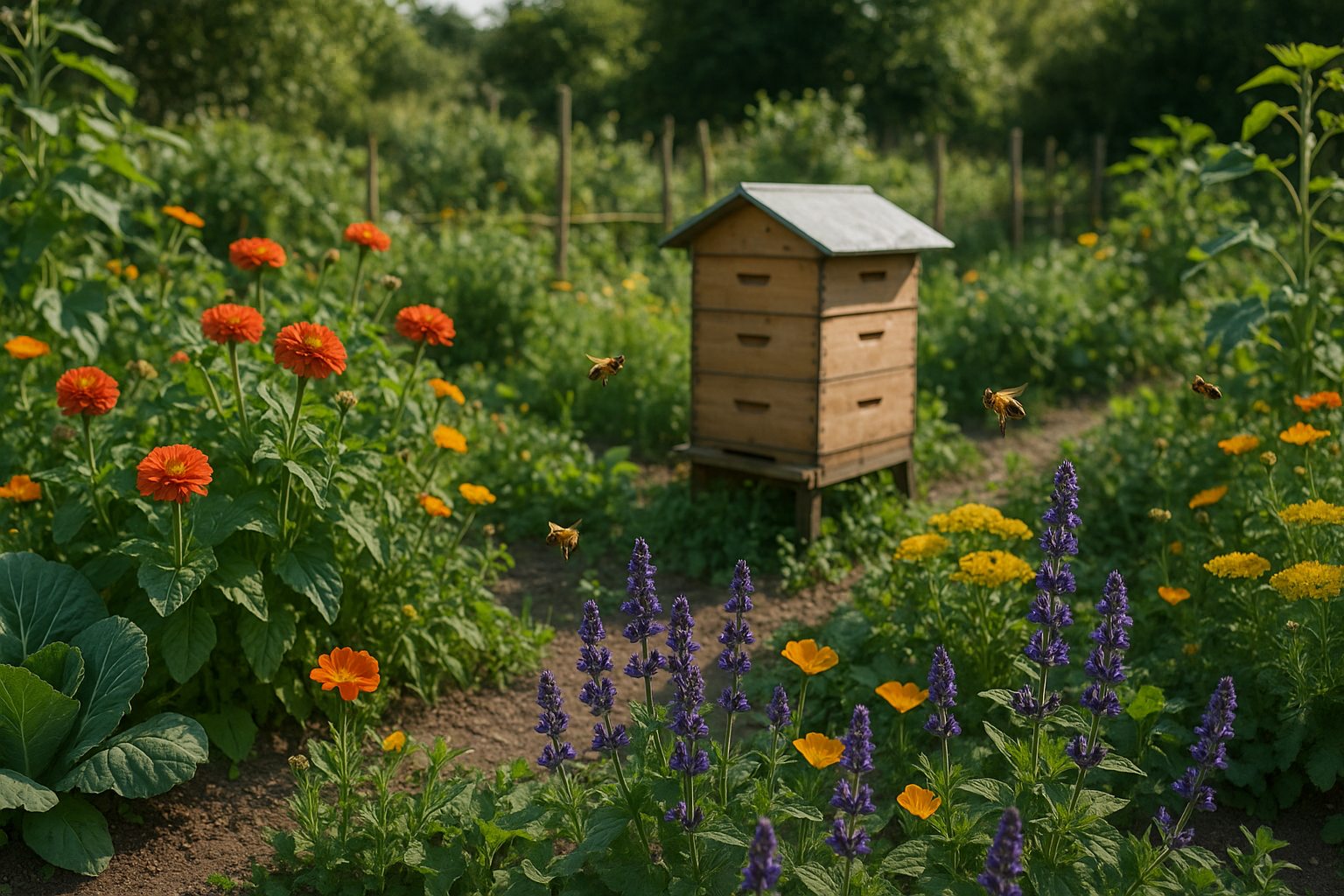
Grow Organic, Grow Resilient
Organic gardening isn’t just good for your plants—it’s one of the most effective ways to support a thriving pollinator population. When you focus on building healthy soil rather than pushing fast growth, everything in the garden benefits. Strong, healthy plants produce more nectar-rich blooms, resist pests naturally, and create a stable food source for bees and other beneficial insects. Synthetic fertilizers might make your plants look lush in the short term, but they often do so at the expense of flower production—and flowers are what pollinators are really after. Compost, aged manure, and worm castings offer a slow, steady release of nutrients that support growth without overwhelming the plant or disrupting the natural rhythm of your garden.
As your soil improves, something beautiful starts to happen: your garden becomes its own mini-ecosystem. Pollinators begin showing up on their own, drawn to the consistent food supply and safe environment. Pest populations level out because natural predators move in. You’ll spend less time fighting problems and more time enjoying the balance you’ve built. It doesn’t happen overnight, but it’s the kind of change that sticks—and once it takes hold, your garden won’t just be productive, it will be alive in the truest sense of the word.
Final Thoughts: Your Garden Can Make a Difference
It’s easy to feel powerless when you hear about declining bee populations and disappearing habitats, but here’s the truth: home gardeners have more influence than they think. You don’t need acres of land or a wildlife certification to make a difference. Every single bee-friendly plant you tuck into the ground, every chemical you choose not to spray, every quiet corner you leave wild—it all adds up. When you grow with pollinators in mind, you’re not just cultivating a healthier garden, you’re creating a sanctuary in a world that’s rapidly running out of safe places for them to land.
So don’t aim for perfect. Aim for purpose. Let your oregano bloom, skip a mow or two, leave that patch of bare soil alone. You’ll be amazed how quickly life returns—how buzzing, fluttering, and flitting fill the air. Your garden doesn’t have to be a picture out of a magazine. It just has to be real. And when it welcomes bees, butterflies, and other pollinators, it becomes more than a space for plants—it becomes a living, breathing part of the solution.