
When most of us start planning our gardens, we tend to stick with the classics—tomatoes, carrots, lettuce, peppers. They’re tried and true, familiar and safe. But tucked between those rows of cucumbers and green beans lies a world of strange, beautiful, and surprisingly easy-to-grow vegetables that rarely make it to the spotlight. These unusual garden gems might not show up on your grocery store shelf, but they bring bold flavors, eye-catching colors, and a whole lot of personality to your growing space.
And here’s the real kicker: many of these off-the-beaten-path veggies are more nutrient-dense, more resilient to pests, and better suited for a wide range of climates than their conventional counterparts. If you’ve got room in your beds—or even a few containers on your patio—it might be time to grow something different. So let’s dig into some of the lesser-known vegetables you should be growing—and why they just might become your new garden favorites.
Why Grow the Unusual?
Growing uncommon vegetables isn’t just about being quirky or impressing your foodie friends. It’s about building a garden that’s more resilient, more diverse, and more exciting. Many of these lesser-known crops are heirlooms—time-tested varieties passed down through generations across the globe. They’ve adapted to unique climates, resisted pests without the need for chemicals, and stayed packed with flavor and nutrients. Yet, despite their incredible value, they’ve been left behind in the race for supermarket uniformity.
By planting these rare vegetables, you’re not only feeding your family—you’re helping preserve agricultural biodiversity. You’re keeping old varieties alive, supporting a more sustainable food system, and adding flavors and colors to your kitchen that most people will never experience. And let’s be honest—pulling a yard-long bean from your trellis or slicing into a neon-pink-fleshed watermelon radish is downright satisfying. You might even catch a few curious glances over the fence from neighbors wondering what in the world you’re growing. And who knows? You just might inspire them to step outside the seed catalog comfort zone too.
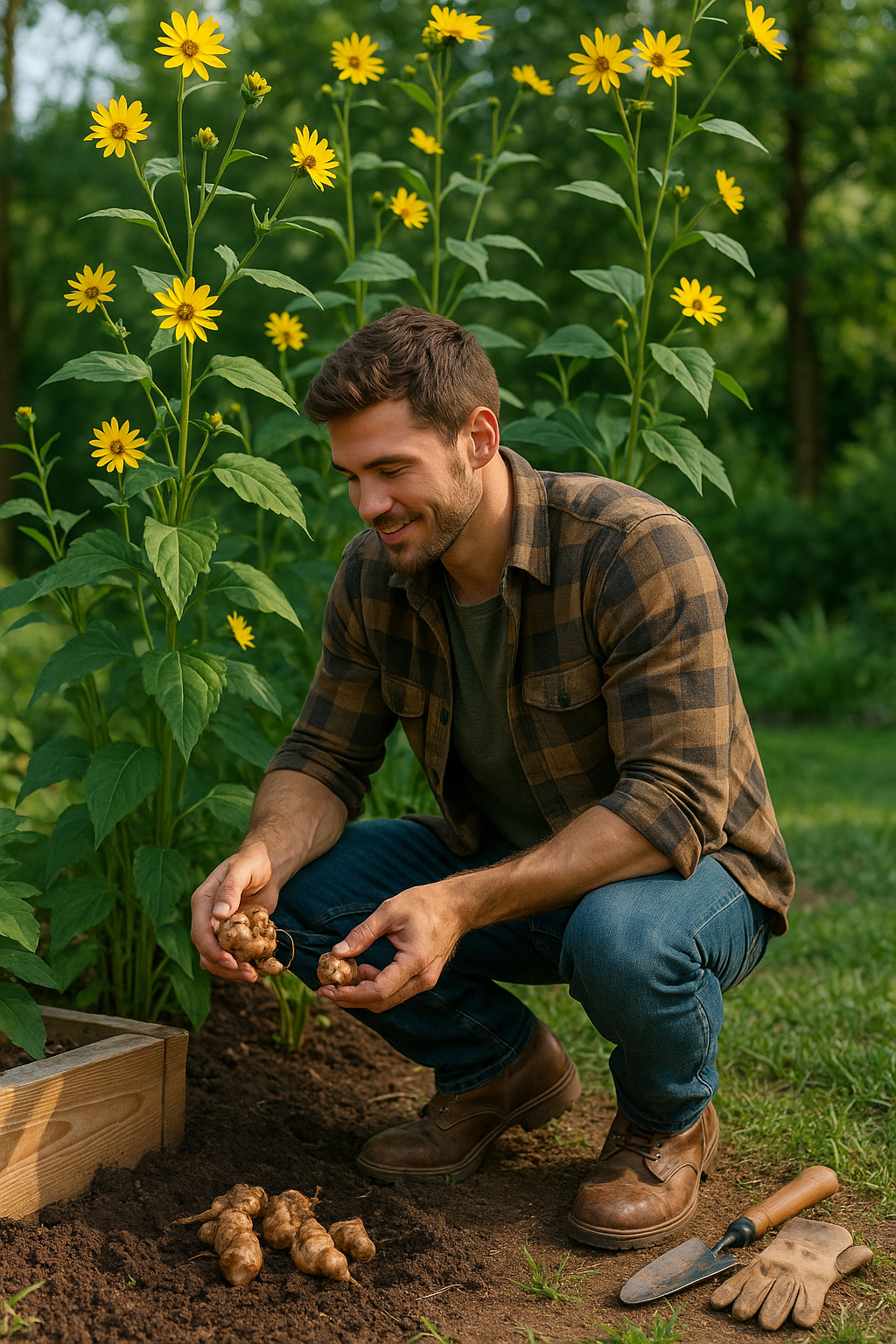
1. Sunchokes: The Underground Powerhouse
Sunchokes, also known as Jerusalem artichokes (though they’re neither from Jerusalem nor artichokes), are one of the most underrated root vegetables you can grow. These knobby, earthy-looking tubers grow underground like potatoes, but their flavor is uniquely their own—nutty, sweet, and somewhere between a sunflower seed and an artichoke heart. They’re native to North America and were once a staple food among Indigenous peoples before falling out of favor in modern agriculture.
One of the biggest perks of sunchokes is how tough they are. These plants are incredibly hardy, drought-tolerant, and happy to thrive in poor or neglected soil. Once you plant them, they’ll come back year after year—so plant them somewhere you don’t mind surrendering permanently. Left unchecked, they’ll spread quickly and establish a colony that can outlast even your most stubborn weeds.
Nutritionally, sunchokes are a powerhouse. They’re rich in inulin, a prebiotic fiber that supports healthy gut bacteria and blood sugar stability. They’re low in starch, making them a favorite among folks looking for low-carb, nutrient-dense alternatives to potatoes. You can roast them with a bit of olive oil and salt until golden and crispy, toss them into soups, or shave them raw into salads for a sweet, nutty crunch. Just a fair warning—because of that high inulin content, sunchokes can cause digestive discomfort for some people. If it’s your first time, start slow and let your gut adjust.
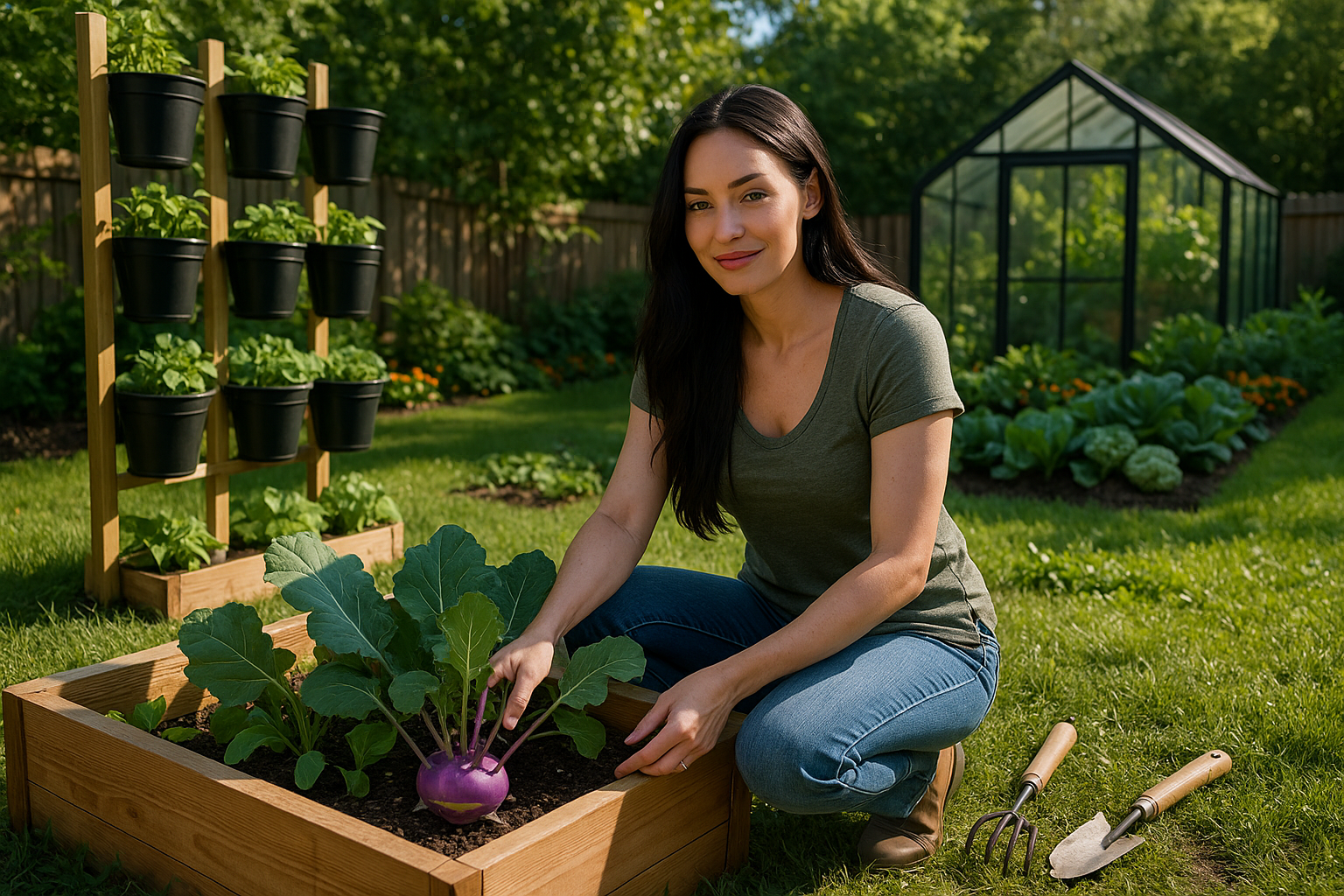
2. Kohlrabi: The Space Alien in Your Garden
Kohlrabi might look like it crash-landed in your garden from another galaxy—imagine a pale green or deep purple tennis ball with leafy antennae sticking out—but don’t let its quirky appearance fool you. This cool-season vegetable is not just weirdly wonderful to look at—it’s also incredibly easy to grow and surprisingly delicious. The bulb itself is actually a swollen stem that sits above ground, and its texture and flavor are somewhere between a sweet broccoli stem and a crisp apple. It’s tender, juicy, and mild enough to eat raw, but it also shines when roasted, sautéed, or even spiralized into veggie noodles.
One of the best things about kohlrabi is how fast it grows. You can plant it in early spring or late summer, and you’ll be harvesting bulbs in as little as 45–60 days. It thrives in raised beds and containers, especially when planted in rich, well-draining soil with consistent moisture. Just make sure to harvest it before it gets too large—bulbs over 3–4 inches in diameter can get woody and lose that tender crunch.
Kohlrabi is also a great way to get kids interested in gardening. Its alien-like look is a total conversation starter, and the taste is mild and snackable—especially when sliced up fresh with a bit of salt or a dip. If you’re looking to branch out from the usual root crops and leafy greens, kohlrabi is a low-risk, high-reward addition to your garden lineup.
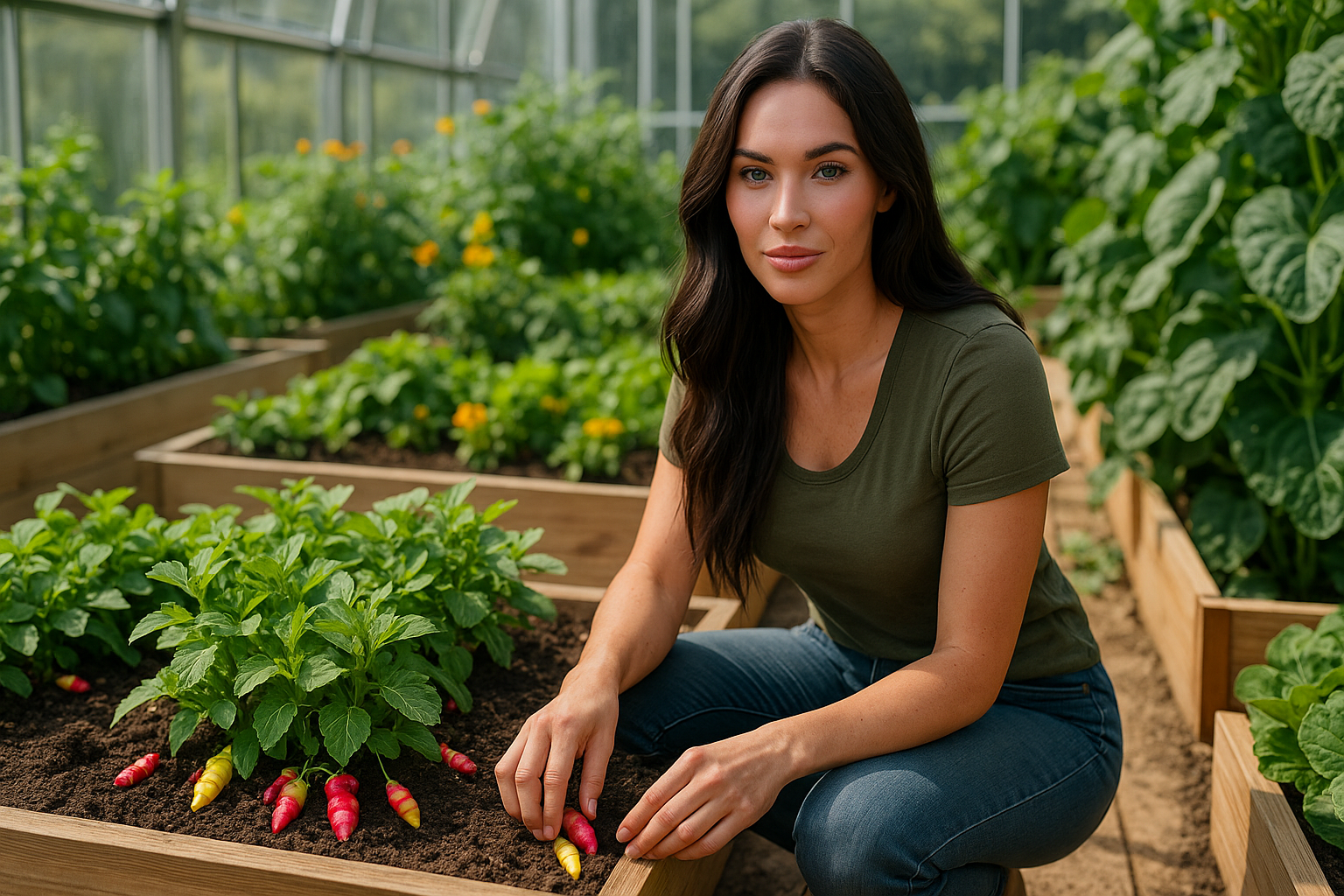
3. Oca: The Rainbow Root From the Andes
If you’ve never heard of oca (pronounced OH-kuh), you’re not alone—but once you grow it, you’ll wonder how it’s stayed such a secret. Native to the Andes, oca is a vibrant little tuber that looks like a short, stubby potato dressed in party colors. These knobby roots come in stunning shades of ruby red, golden yellow, coral pink, and even speckled varieties that look like they belong in a gemstone collection instead of the root cellar.
Oca isn’t just eye candy—it’s packed with flavor and versatility. When eaten raw, it has a crisp texture and a tangy, lemony zing, kind of like a citrusy radish. But cook it—roasted, boiled, or sautéed—and it mellows into a soft, slightly nutty, buttery delight. It’s a fantastic alternative to potatoes if you’re looking to diversify your root crop lineup.
Gardeners in cooler climates will especially appreciate oca’s growing preferences. It thrives in mild summers and doesn’t mind cloudy weather, making it a great fit for regions where heat-loving crops like sweet potatoes struggle. It’s a slow grower, so patience is key. You’ll plant in early spring and wait until late fall—well after the first frost—to harvest. But that long season pays off. Oca stores exceptionally well through winter, earning it a reputation as a reliable survival food in its native regions.
Whether you’re looking for a fun new challenge or simply want to grow something that sparks conversation at the dinner table, oca is a colorful, flavorful, and rewarding addition to any backyard garden.

4. Malabar Spinach: The Heat-Loving Climber
If you’ve ever felt defeated by traditional spinach bolting as soon as summer kicks in, Malabar spinach might just be your new best friend. Native to South and Southeast Asia, this vining powerhouse thrives in hot, humid weather where regular leafy greens tend to throw in the towel. Instead of wilting in the heat, Malabar spinach flourishes—climbing, twining, and producing thick, glossy leaves all season long.
The flavor is familiar but unique: it’s got the spinach-like base you’d expect, but with a subtle earthiness and a slightly citrusy, almost peppery finish. The texture is a bit more succulent and crisp, making it perfect for stir-fries, soups, and even raw in salads if you enjoy a bit of chew. It holds up well when cooked and doesn’t turn mushy like some tender greens can.
Beyond its utility, Malabar spinach is a stunner in the garden. Its lush, deep green leaves and striking reddish-purple stems give it real ornamental value. Trellis it up a fence, garden arch, or porch railing, and you’ll have a vertical wall of beauty that also happens to be dinner-worthy. It’s also a great space-saver for small gardens since it grows upward rather than outward.
Malabar spinach is a warm-season annual in most temperate zones but can be grown as a perennial in USDA zones 10 and up. Start it from seed or transplants once the soil has fully warmed, and it’ll take off with very little fuss. If you’re looking to fill a summer salad bowl with homegrown greens without fighting the heat, this one’s a game-changer.

5. Chinese Yardlong Beans: The Showstopper
Yardlong beans are exactly what they sound like—beans that can reach jaw-dropping lengths of up to three feet, though most gardeners harvest them when they’re about 18 inches long for peak tenderness. Also known as asparagus beans or Chinese long beans, these slender legumes bring high yields, bold flavor, and a bit of wow factor to any summer garden.
Unlike your average bush bean, yardlong beans absolutely thrive in hot, humid weather, making them a fantastic option for gardeners in southern or tropical climates. While standard green beans often slow down or sulk in the heat, yardlong beans keep climbing, blooming, and producing. They’re also more resistant to common diseases and pests, so you’ll spend less time troubleshooting and more time harvesting.
These beans are fast growers—you’ll often spot new pods almost overnight—and they need something to climb. A sturdy trellis, fence, or even a garden arch will do the trick. Their vines can easily reach 8–10 feet or more, so give them space to stretch. Watching them climb and curl skyward is half the fun, especially when those long, elegant pods start to appear.
Flavor-wise, yardlong beans are mildly sweet and tender when picked young. They’re perfect for quick stir-fries, curries, or steamed and tossed with garlic and soy sauce. Just don’t let them sit too long on the vine—they can get tough if overgrown. With consistent picking, you’ll be rewarded with a steady supply all summer long.
If you’re looking for a show-stopping, heat-loving crop that’s easy to grow and incredibly productive, yardlong beans are a must-try addition to your garden lineup.

6. Romanesco: The Edible Fractal
If cauliflower and a pinecone had a baby, it would be Romanesco. This hypnotic, lime-green vegetable is a real showstopper—its tightly packed, spiral florets follow a natural fractal pattern that looks more like a math project than something you’d toss in a stir-fry. But don’t let its beauty fool you—Romanesco isn’t just for looks. It’s absolutely delicious, with a flavor that lands somewhere between cauliflower and broccoli, but nuttier, milder, and a little sweet around the edges.
Romanesco is a cool-season crop, which means you’ll get the best results planting it in early spring or late summer for a fall harvest. It doesn’t love heat, so timing is key—too much warmth and it may bolt or fail to form that signature head. This brassica also has a big appetite, so prepare your soil well. Mix in plenty of compost or aged manure before planting, and make sure it stays consistently moist and rich throughout the growing season.
Patience pays off here. Romanesco takes a little longer to mature than regular broccoli or cauliflower—usually 75 to 100 days—but once that alien-looking crown starts forming, it’s totally worth the wait. Harvest when the heads are firm and fully formed but still tight. And yes, it’s just as good as it looks. Roast it, steam it, or break it into raw florets for a veggie tray that gets everyone talking.
Whether you’re growing for flavor, beauty, or the sheer thrill of saying you harvested a mathematical masterpiece, Romanesco brings serious flair to the garden. And trust us—your Instagram feed won’t mind either.

7. Amaranth: The Ancient Grain You Can Grow at Home
Most people know amaranth from the health food aisle—a trendy ancient grain packed with protein and used like quinoa—but what they don’t realize is that it’s also one of the most stunning and versatile crops you can grow at home. This warm-season powerhouse delivers both edible leaves and nutrient-rich seeds, making it a true dual-purpose plant. The young leaves taste a lot like spinach, with a tender texture and slightly earthy flavor, and they hold up well in stir-fries, sautés, and soups.
But amaranth isn’t just about food—it’s a visual showstopper. As it matures, it sends up tall, feathery plumes in vibrant shades of red, gold, orange, and even deep purple. Some varieties can grow up to six feet tall, turning any garden bed into a dramatic vertical canvas. Those long flower spikes not only add color—they also attract pollinators like bees and butterflies, boosting biodiversity and overall garden health.
One of the best things about amaranth is how little it asks in return. It thrives in heat, shrugs off drought, and tolerates poor soil better than most leafy greens. That makes it a perfect pick for summer gardens when tender crops like lettuce and spinach start to struggle. You can direct-sow it after your last frost date, and within a few weeks you’ll have a steady supply of baby greens. Let some plants mature for seed harvest, and you’ll be rewarded with thousands of tiny, protein-rich seeds that can be cooked like a grain or popped like mini popcorn.
Whether you’re in it for the nutrition, the color, or the pollinator-friendly bonus, amaranth is a low-maintenance, high-impact crop that earns its keep in any garden.
Final Thoughts: Embrace the Weird (and Reap the Rewards)
Adding a few unusual vegetables to your garden isn’t just a quirky side project—it’s a meaningful step toward building a more resilient, nutrient-rich, and creatively inspiring growing space. These under-the-radar crops bring more to the table than just novelty. Many are easier to grow than you’d think, incredibly beautiful in the garden, and packed with vitamins, minerals, and flavors you won’t find in your average grocery aisle.
They also connect us to a deeper gardening legacy—forgotten heirlooms, ancient grains, and regionally adapted varieties that deserve a second life in our backyards. Growing them invites curiosity, sparks conversation, and makes your kitchen feel like a chef’s playground.
So this year, save a little room in your beds for the weird, the wild, and the wonderful. Grow something you’ve never tasted. Plant a vegetable you can’t pronounce. You might just find that your favorite harvest of the season isn’t something you grew up with—it’s something you discovered, nurtured, and pulled from the soil with your own two hands.