
If you’ve ever watched a butterfly glide through your garden and felt a little spark of joy—you’re not alone. Butterflies have a way of making a garden feel magical, alive, and just a little bit more peaceful. But they’re more than just pretty visitors. Butterflies are essential pollinators, gentle indicators of a healthy ecosystem, and a sign that your garden is on the right track.
The best part? You don’t need a massive backyard or a professional landscape designer to bring them in. Attracting butterflies is easier than you might think. With just a few thoughtful choices—some nectar-rich blooms, a sunny corner, and a bit of planning—you can turn almost any outdoor space into a butterfly haven. Whether you’re working with a sprawling garden, a few raised beds, or even a small apartment balcony, you can create a place where butterflies will want to land, linger, and return.
So let’s dive in. Here are five easy, impactful steps to help you build a butterfly-friendly garden that’s bursting with color, buzzing with life, and full of graceful flutter all season long.
Step 1: Plant a Buffet of Nectar-Rich Flowers
If you want butterflies to stop by your garden and actually stick around for more than a quick fly-through, you’ve got to roll out the welcome mat—and that starts with flowers rich in nectar. Adult butterflies feed exclusively on nectar, and they’re drawn to specific kinds of blooms: ones that are brightly colored, easy to land on, and packed with sugary fuel. Picture your garden as a roadside diner for pollinators. The more tempting and diverse the menu, the more winged customers you’ll attract.
Now, not all flowers are created equal when it comes to butterfly appeal. Go for varieties that have flat-topped or clustered flower heads—these make it easier for butterflies to perch and sip. Bold colors like red, orange, pink, purple, and yellow tend to catch their eye. It’s like putting a neon “OPEN” sign on your garden.
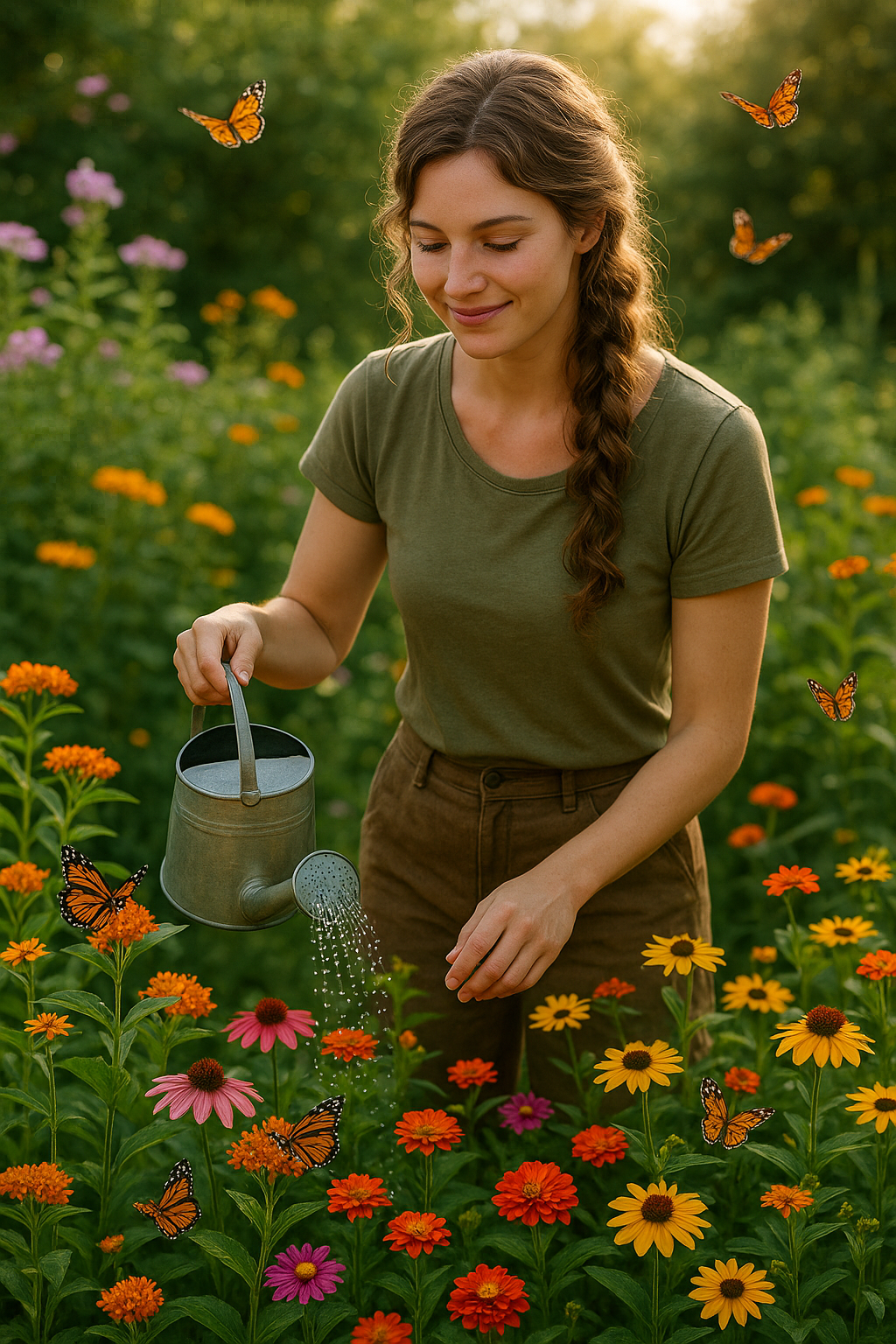
Native plants are a game-changer. They’ve evolved alongside your local butterfly species, which means they’re a perfect match. Native flowers are typically more resilient, less thirsty, and more beneficial to your local ecosystem. Try planting butterfly magnets like milkweed (essential for monarchs), purple coneflowers, bee balm, black-eyed Susans, verbena, and good old-fashioned zinnias. These not only offer nectar, but they bring long-lasting color to your beds or containers.
Timing matters too. You want a continuous parade of blooms from early spring through late fall. That means mixing early-season, mid-season, and late-season bloomers into your design. This gives butterflies a consistent food supply and keeps your garden colorful for months on end.
And don’t forget the sunshine. Butterflies are cold-blooded, which means they rely on the sun to stay active and warm enough to fly. That’s why your nectar plants should be placed in a spot that gets at least six hours of sunlight a day. A sunny, sheltered location near a hedge or wall works great—it blocks the wind while letting the warmth pour in.
When you combine native nectar-rich flowers, good sun exposure, and smart planting choices, your garden quickly becomes a butterfly hotspot. And honestly, there’s nothing like watching a monarch or swallowtail glide in and hang out for a while—especially when you know it’s because you made it happen.
Step 2: Don’t Forget the Caterpillars
It’s easy to get caught up in the charm of fluttering butterflies, but the real magic starts long before they take flight. Every butterfly begins its life as a caterpillar—and caterpillars need a very specific kind of support. This is where host plants come into play. These aren’t just any plants; they’re the chosen nurseries where butterflies lay their eggs and the buffet line where hungry caterpillars chow down as they grow and prepare for metamorphosis.
Each butterfly species has its own preferences when it comes to host plants. Monarchs famously depend on milkweed—it’s the only plant their caterpillars will eat. Black swallowtails are big fans of parsley, dill, and fennel, which makes herb gardens surprisingly butterfly-friendly. Painted ladies are drawn to thistle, hollyhock, and mallow. By planting these specific hosts in your garden, you’re doing more than attracting butterflies—you’re helping complete their life cycle and giving them a reason to return season after season.
Now, let’s be honest—caterpillars aren’t exactly polite eaters. They’ll nibble, chomp, and sometimes strip leaves right down to the stems. But that’s the price of admission when you’re building a true pollinator habitat. This isn’t just about pretty flowers; it’s about creating a space where life begins and transformation happens. And when you witness a caterpillar spin its chrysalis and eventually emerge as a butterfly, those ragged leaves will feel like a small and worthy trade-off.
So if you want a garden that doesn’t just look good but does good too, make room for host plants. It’s the simplest way to turn your yard into a butterfly nursery—and a front-row seat to nature’s most amazing show.
Step 3: Say Goodbye to Pesticides
This step is non-negotiable—if you want butterflies, you’ve got to ditch the pesticides. Broad-spectrum insecticides, systemic treatments, and even some products labeled “natural” or “organic” can be incredibly harmful to butterflies, caterpillars, and their fellow pollinators like bees and hoverflies. These chemicals don’t just kill the pests—they wipe out the good guys too, often doing long-term damage to the balance of your garden’s ecosystem.
Instead of spraying at the first sign of trouble, try shifting your mindset. A few nibbled leaves or aphids here and there aren’t the end of the world. Start with gentle, non-toxic methods like hand-picking pests, blasting them off with water, or using floating row covers for young plants. You can also lean into companion planting—pairing certain flowers, herbs, and veggies together to confuse pests or repel them naturally. Attracting beneficial insects like ladybugs, lacewings, and parasitic wasps is another smart way to build a defense system that doesn’t come from a bottle.
And if you absolutely must treat a problem, timing matters. Never apply anything during the heat of the day or when your flowers are in full bloom—this is prime time for pollinators. Treat early in the morning or late in the evening, and always target the specific pest rather than spraying everything in sight.
Creating a butterfly-friendly garden means shifting toward a more organic, observation-based way of gardening. It’s not about perfection—it’s about harmony. You might have some holes in your leaves and a few pests here and there, but what you’ll gain is far more rewarding: a thriving, self-regulating garden that supports life at every level. Work with nature, not against it, and your garden will hum with health—and wings.
Step 4: Add Shelter and Sunbathing Spots
Butterflies need more than just nectar to feel truly at home in your garden. They also need safe places to rest, warm up in the sun, and hide out when the weather turns rough. While a full-on butterfly hotel might be fun to build (and they definitely make great weekend projects), you don’t need anything fancy. A few simple, natural features can go a long way in turning your yard into a true butterfly sanctuary.
Start with basking spots. Butterflies are cold-blooded, which means they rely on the sun to warm their bodies and get enough energy to fly. Placing flat stones in sunny, sheltered areas gives them the perfect platform to soak up some rays in the morning or after a rainstorm. You’ll often see butterflies spread their wings wide as they sunbathe—an essential part of their daily routine.
Shelter is just as important. Dense shrubs, tall ornamental grasses, and leafy perennials can serve as windbreaks and hiding places from predators. If you’ve got a quiet, undisturbed corner in your yard, even a pile of leaves, some logs, or a patch of unmowed grass can become a valuable microhabitat. These cozy nooks don’t just help butterflies—they also support other beneficial insects like ground beetles, native bees, and moths.
If you’re gardening in a small space like a patio or balcony, don’t worry—you can still create shelter with container plants and vertical arrangements. Mix in taller pots with trailing plants, add a small trellis, or use climbing vines to add layers. Even a well-placed hanging basket can offer refuge from wind and sun.
At the end of the day, the goal is to create a garden that feels natural, layered, and full of places to pause. Think of it less like decorating a space and more like building a habitat. When butterflies feel safe and comfortable, they’ll not only visit—they’ll stick around, making your garden a living, fluttering work of art.
Step 5: Provide a Water Source—The Butterfly Way
Butterflies don’t sip from fountains or birdbaths like you might expect. Instead, they get their hydration and essential nutrients through a behavior called puddling. This means landing on moist soil, mud, or sand and drawing up water mixed with minerals like sodium and other salts. It’s not just about staying hydrated—it’s how they fuel their bodies for flight, mating, and migration.
Creating a puddling station in your garden is simple and doesn’t take much space. All you need is a shallow dish, saucer, or even an old plant tray. Fill it with coarse sand or a mix of sand and compost, and tuck a few flat stones into the mix so butterflies have a safe place to perch while they drink. Keep it moist—especially during dry spells—and place it somewhere sunny and wind-protected, ideally near your nectar-rich flowers.
You’ll be surprised how fast they find it. Some butterflies may stick around for several minutes at a time, especially in the early morning or after a hot day. It’s a small, easy addition that makes a big impact on how long butterflies linger in your garden—and how many return.
Just a heads-up: avoid letting water sit stagnant in deep containers. You don’t want to create a mosquito breeding ground. Think “damp, not drenched.” Moist sand or mud is the sweet spot. With this simple feature, your garden becomes not just a buffet for butterflies, but a full-service spa. And honestly, watching them gather around your homemade puddling station is just one more way to enjoy the beauty of gardening up close.
Final Thoughts: Make Space for Magic
There’s something truly magical about seeing butterflies drift through your garden—wings glowing in the sunlight, dancing from bloom to bloom. But what makes it even more rewarding is knowing that you helped make it happen. You planted the right flowers, skipped the pesticides, and made space not just for beauty, but for life. That sense of connection—that your garden is part of something bigger—is what keeps many of us coming back season after season.
And the best part? Creating a butterfly-friendly garden doesn’t have to be complicated. A few nectar-rich blooms, some host plants for caterpillars, a sunny patch, and a no-spray philosophy can turn any outdoor space into a thriving habitat. Whether you’re working with a big backyard or a cozy container garden on the balcony, the steps are simple, the rewards are huge, and the visitors? Absolutely breathtaking. So grab your gloves, get your hands a little dirty, and plant with purpose. With every flower you add and every butterfly you welcome, you’re not just building a garden—you’re building a sanctuary. One flutter at a time.