
Watering might seem like one of the simplest parts of gardening—just turn on the hose, give your plants a drink, and you’re good to go, right? In reality, watering is one of the most critical and misunderstood aspects of garden care. Whether you’re growing vegetables in raised beds, herbs in containers, or flowers along your fence line, how and when you water can make or break your garden. It’s not just about giving your plants water—it’s about giving them the right amount of water, at the right time, and in the right way.
Overwater, and you could be suffocating your plants’ roots without even realizing it. Many garden newbies don’t realize that too much water can be just as damaging as too little. Waterlogged soil cuts off the oxygen supply to the roots, leading to root rot, fungus issues, and stunted growth. On the flip side, underwatering causes plants to become stressed and dehydrated, leading to wilting, curled leaves, and a harvest that falls short of expectations. Sometimes, your plants won’t die right away—but they won’t thrive either. They just kind of hang on, struggling in survival mode instead of bursting with life.
The truth is, a lot of garden frustrations—yellowing leaves, droopy stems, or plants that just aren’t growing like they should—can be traced back to inconsistent or incorrect watering habits. And the tricky part? The signs of overwatering and underwatering often look similar. That’s why it’s so important to get it right from the start.
If you’re putting in the time and effort to grow your own food or create a beautiful flower garden, it’s worth learning a few essential watering techniques. These aren’t just personal preferences or hearsay from social media—they’re based on research from land-grant universities, agricultural extensions, soil scientists, and experienced growers who’ve spent years in the field. The good news is that once you understand these fundamentals, you’ll be able to adjust your routine for your specific garden conditions, whether you’re dealing with sandy soil, clay, raised beds, or containers.
So let’s dig in—literally and figuratively. We’re going to explore five of the most common watering mistakes and give you the tools to avoid them. That way, your garden won’t just survive—it’ll thrive with healthy, deep-rooted plants that can weather the elements and produce like champs. Whether you’re a first-time gardener or just looking to fine-tune your watering game, this guide will get you on the right path to success.
1. Watering Too Often
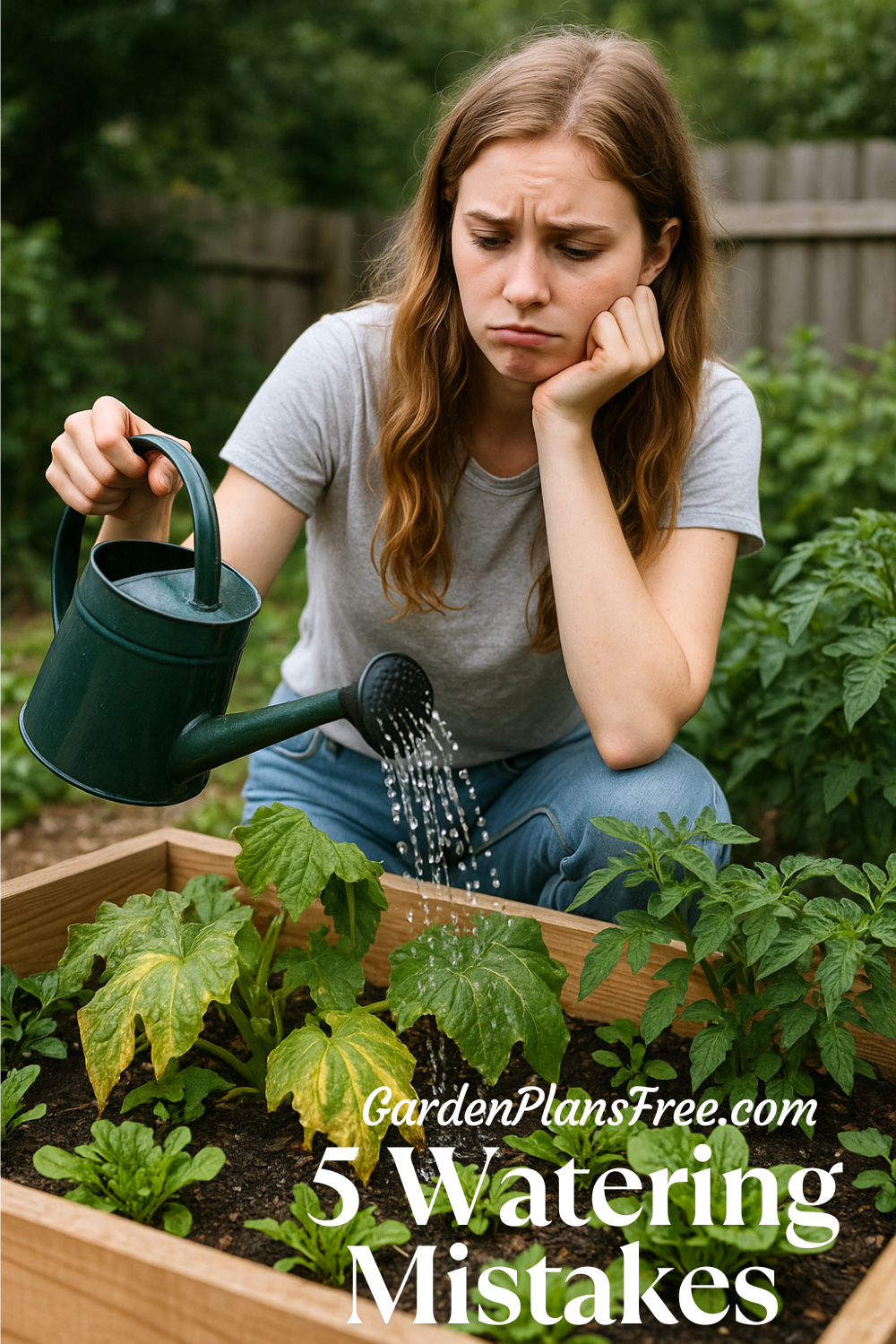
One of the most common mistakes gardeners make—especially when the summer sun is beating down—is watering too frequently. It’s an easy trap to fall into. You walk out to your garden, glance at the soil surface, and if it looks dry or dusty, your first instinct is to reach for the hose. But here’s the thing: the top of the soil dries out much faster than what’s going on a few inches below. Just because the surface looks parched doesn’t mean your plants are thirsty. In fact, constant surface watering can lead to more harm than good. Plant roots actually benefit from a bit of a drying period between waterings.
When the soil is consistently soggy near the top, roots have no reason to stretch downward in search of water. Instead, they cluster near the surface, where conditions are less stable and more prone to temperature swings. This results in a shallow root system, and shallow roots mean your plants are more likely to struggle during heat waves, windy days, or periods of drought. A plant with a weak root system is like a house with a shaky foundation—it’s just not built to last. According to studies from university horticulture programs and agricultural extensions, most home gardens do far better with less frequent but deeper watering sessions. The goal is to apply enough water that it penetrates the soil at least 6 to 8 inches deep. This encourages roots to grow deeper, stronger, and more robust.
Deep roots help anchor the plant and give it better access to moisture and nutrients, even during dry spells. You can check if your watering is deep enough by using a simple trick: after watering, wait about 15–20 minutes and then dig a small hole with a trowel next to the plant. See how far the water has soaked in. If it’s only an inch or two, you need to water longer next time. A little investigation can go a long way in helping your garden develop a healthier root system—and in the long run, you’ll probably water less often while getting better results. So don’t let dry topsoil fool you. Trust your plants, train their roots to go deep, and resist the urge to water every time you pass by with a hose in hand. Your garden will be stronger, more resilient, and far less needy.
2. Watering at the Wrong Time of Day
Timing matters. A lot. It’s one of those factors that’s easy to overlook when you’re busy or just trying to squeeze in a little garden time after work. But when you water your plants can have a major impact on how effective that watering actually is. Watering during the hottest part of the day—usually between 11 a.m. and 4 p.m.—might feel good to you, but it’s actually one of the least efficient times for your garden. When the sun is high and temperatures spike, a significant amount of the water you apply will evaporate before it ever gets down to the root zone, especially if you’re watering from above. That means your plants don’t get the hydration they need, and you end up wasting water in the process.
Worse yet, watering in the midday sun can create a flash-drying effect on leaves. In some cases, droplets left on foliage can even act like tiny magnifying glasses, increasing the chance of sunburn on sensitive leaves—particularly on young seedlings or newly transplanted starts. And if you’re watering the leaves instead of the soil, you could also be setting your plants up for fungal issues. Damp leaves that don’t dry out quickly can attract mildew, mold, and diseases like blight—especially in compact gardens where airflow is limited.
The best time to water your garden is early in the morning, ideally before 10 a.m. This gives your plants the full benefit of hydration before the sun gets intense. The soil can absorb the water fully, roots can drink deeply, and any moisture that gets on the leaves has time to dry before the evening. Morning watering also helps prepare plants to face the heat of the day without going into stress mode.
If mornings aren’t possible, early evening is your next best option—just not too late. Watering after the sun dips but while there’s still some light and airflow allows water to reach the roots without too much evaporation, while still giving leaves a chance to dry before nightfall. The problem with very late watering, especially in humid regions, is that wet leaves combined with cool temperatures create a perfect storm for fungal infections to spread overnight.
So while it might be tempting to water whenever you have a free moment, making a habit of watering at the right time of day can drastically improve your garden’s health and water efficiency. It’s a simple shift with big rewards—stronger plants, fewer disease problems, and less water wasted.
3. Watering the Leaves Instead of the Soil
Here’s one that’s surprisingly easy to overlook: plants drink through their roots, not their leaves. It might feel satisfying to give your garden a little shower from above—especially on a hot day—but the reality is, spraying water over the foliage doesn’t do much to hydrate your plants. In fact, it can actually do more harm than good. Wet foliage creates a perfect environment for disease and pests, especially in gardens where airflow is already limited, like raised beds or densely planted areas. Moisture on leaves can invite fungal problems like powdery mildew, downy mildew, or early blight, all of which can take hold quickly and spread before you even notice.
Some pests, like aphids and whiteflies, also thrive in moist conditions, and consistently wet leaves can rot or develop unsightly spots. This is especially true for crops like tomatoes, cucumbers, and squash, which are notoriously sensitive to wet foliage. The risks are even higher in humid climates, where moisture sticks around longer and evaporation is slower. The better approach—the one that gives your plants the hydration they actually need—is to water directly at the base of the plant. Whether you’re using a classic watering can, a hose with a wand attachment for more precision, or a more hands-off system like drip irrigation, aim low and get that water where it matters most: the root zone.
If your garden is mulched (which it should be for moisture retention), simply move the mulch aside slightly and apply the water underneath so it doesn’t just roll off the surface. Keeping the foliage dry also plays a big role in disease prevention, particularly when you’re growing vegetables. With tighter plant spacing in raised beds or container setups, it’s crucial to do what you can to maintain dry, breathable conditions. By watering at the soil level, you’re not only using water more efficiently, you’re also helping your plants stay healthier and more productive throughout the season.
4. Not Adjusting for Weather and Soil Type
Your garden’s water needs are not set in stone—they vary depending on your soil, the weather, and what you’re growing. Sandy soils drain quickly and need water more often. Clay soils hold onto moisture longer but can become compacted and poorly drained if overwatered. If you’re working with raised beds, you’ll likely find they dry out faster than traditional in-ground gardens, especially in hot weather.
Hot, windy, or dry conditions will increase evaporation and water loss from the soil. Likewise, newly planted seedlings need more frequent, gentle watering until their roots get established. On the flip side, mature plants in healthy soil with mulch coverage may need far less than you think.
Use your hands. Stick a finger about two inches into the soil. If it feels dry at that depth, it’s time to water. If it still feels moist, give it a little more time. Getting to know your garden’s rhythm and adapting to the season is what separates the frustrated beginner from the confident grower.
5. Skipping Mulch Altogether
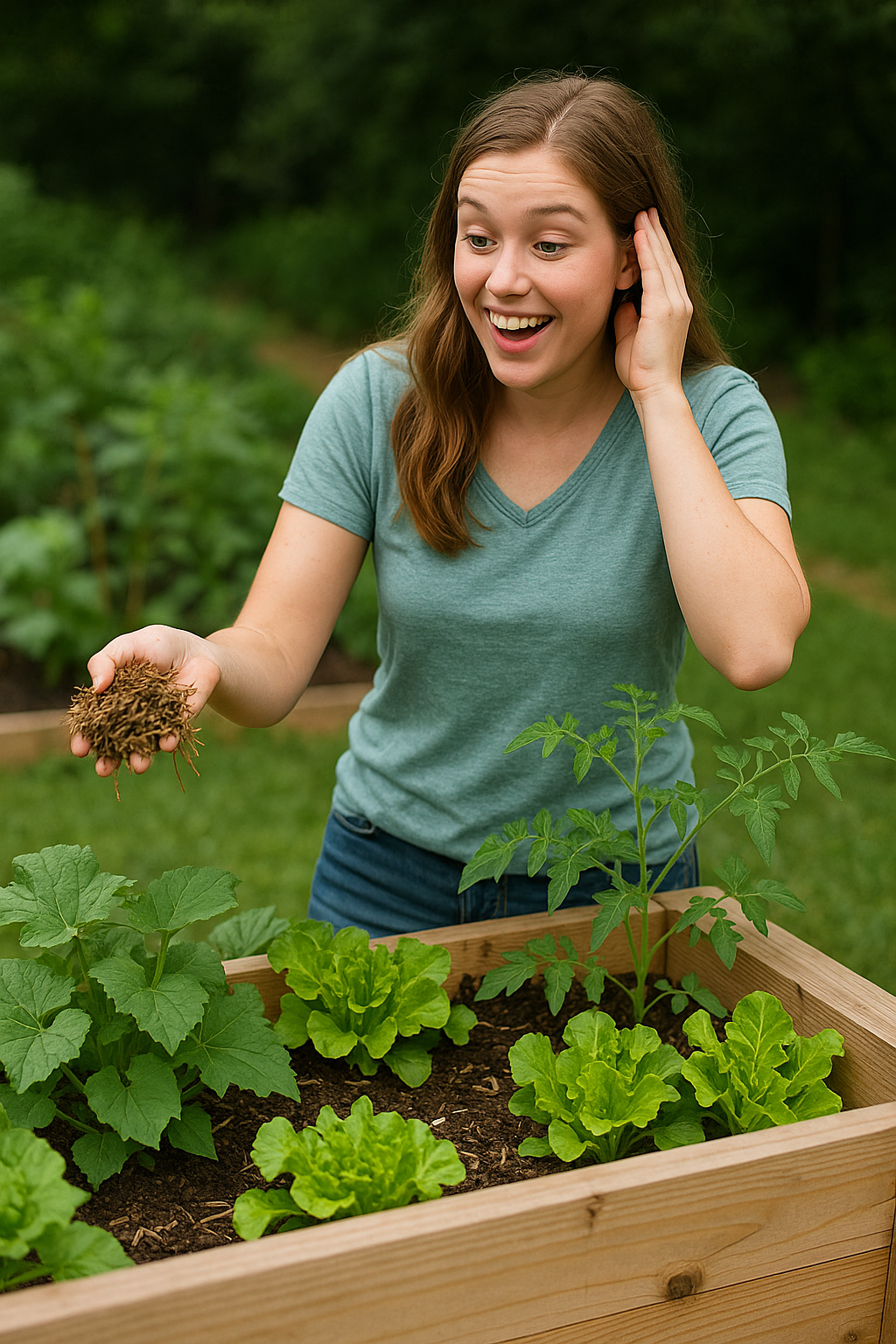
Mulch isn’t just for making your garden look tidy—it’s one of the most underrated tools in your watering strategy. While it does give your beds a clean, finished appearance, mulch plays a much more important role beneath the surface. Bare soil is like an open container—moisture escapes quickly, especially under full sun or in windy conditions. That constant evaporation means you’ll find yourself watering more often just to keep up. But when you apply mulch, you create a protective barrier that shields the soil from direct sunlight, helps moderate temperature swings, and significantly reduces how fast moisture is lost.
Mulch acts like a sponge and a sunhat at the same time. It traps moisture in the soil while keeping the surface cooler, which is especially important during the hottest months of the year. It also prevents water from splashing onto leaves and fruit, which helps reduce the spread of soil-borne diseases. On top of that, mulch suppresses weeds—those unwanted freeloaders that steal water and nutrients from your plants.
Depending on your setup, you can use organic options like straw, shredded leaves, untreated grass clippings, or wood chips. Each has its own pros and cons. Straw is lightweight and easy to apply, while shredded leaves enrich the soil with nutrients as they decompose. Wood chips are great for paths and perennials, and grass clippings work well in vegetable beds as long as they’re applied in thin layers and chemical-free. A mulch layer two to three inches thick is usually just right—not too heavy to block airflow, but substantial enough to make a difference in water retention.
What’s more, mulch improves soil structure over time. As it breaks down, it feeds the soil microbes and worms that help keep your soil healthy and fertile. In essence, mulch turns your garden into a more self-sustaining ecosystem—one that holds onto water more effectively and reduces how often you have to drag out the hose. It’s one of those small, simple steps that pays off in a big way. So if you’re serious about watering less and growing more, don’t skip the mulch. Your plants—and your water bill—will thank you.
Final Thoughts
Watering your garden isn’t just about giving your plants a drink—it’s about creating a stable, nurturing environment where roots can grow deep, strong, and healthy. Avoiding these five common mistakes can transform your garden from a struggle into a success story.
Good watering habits are built over time. Pay attention to your plants, get your hands in the soil, and don’t be afraid to adjust your routine as the weather and seasons change. Whether you’re working with a few containers on a balcony or a full backyard garden, mastering how you water will make all the difference in the harvest to come. Since you are here, you should also take a look over my article on 7 mistakes to avoid as a beginner gardener.