
There’s nothing quite like the taste of a juicy, homegrown watermelon on a hot summer day. Sweet, refreshing, and straight from the garden—that’s as good as it gets. One bite into that crisp, sun-ripened flesh and suddenly, all those weeks of waiting feel totally justified. But while watermelon is a classic summer favorite, it’s not exactly a set-it-and-forget-it kind of crop. It’s a heat-loving, sun-chasing, space-hogging plant that asks for patience, planning, and just a little bit of sweat equity. That said, once you’ve nailed down its growing needs, watermelon becomes one of the most rewarding fruits to grow in your garden.
Watermelons thrive in warm weather and need a long growing season with consistent heat—ideally, 70 to 90 days of hot, sunny days. They also need room to stretch. These plants send out vines that can run wild across garden beds, up trellises, or even over the lawn, so spacing and site selection are key from day one. And let’s not forget about the soil. Watermelons are heavy feeders that want rich, well-drained soil with plenty of organic matter and a steady supply of nutrients throughout the season. You’ll want to prep your soil like you mean it—compost, mulch, and a balanced fertilizer go a long way here.
Whether you’re working with a small backyard patch, a raised bed, or a sprawling homestead garden, growing watermelon is completely doable if you set it up right from the start. And that includes avoiding a few rookie mistakes—like planting too early before the soil has fully warmed, overwatering during ripening, or not giving the vines enough airflow and space. These common slip-ups can delay your harvest or leave you with bland, watery fruit instead of that sweet summer flavor we’re all chasing.
In this guide, we’ll walk you through what it really takes to grow watermelon successfully—from picking the right variety and preparing your soil, to watering, pollination, and knowing the signs of perfect ripeness. Whether you’re a first-time grower or just looking to improve your yield, these tips will help you grow juicy, flavorful melons that are worth every square foot they occupy. Let’s dig in and make this your most fruitful season yet.
Pick the Right Variety for Your Space and Climate
Not all watermelons are created equal. While they might all promise sweet, juicy bites, different varieties come with very different growth habits, space needs, and harvest timelines. Traditional favorites like ‘Crimson Sweet,’ ‘Charleston Gray,’ and ‘Jubilee’ are known for their large fruit and classic taste, but these sprawling vines can take over a garden in no time. They’re best suited for gardeners with plenty of room to spare—think open beds or designated melon patches where the vines can stretch out freely. If you’re dreaming of those big, picnic-style melons, just be ready to give them the square footage they demand.
But if you’re working with limited space—say a backyard raised bed, a corner of the garden, or even a container garden—you’re not out of luck. Compact and bush-type varieties like ‘Sugar Baby,’ ‘Bush Jubilee,’ and ‘Yellow Doll’ are a great fit for small-space growers. These types produce smaller fruits (usually around 6–12 pounds), but they mature quicker and take up far less real estate. ‘Sugar Baby,’ for example, is a favorite among urban and balcony gardeners because it delivers that classic watermelon sweetness without needing a sprawling vine system. And the bonus? These smaller melons are perfect for single servings or couples—no fridge wrestling match required.
Always check the seed packet or plant label to find out how many days to maturity you’re dealing with. Traditional varieties often need 85 to 95 days of hot weather to fully ripen, while compact ones might be ready in just 70 to 75 days. This matters more than you might think, especially if you’re gardening in a cooler region with a shorter summer window.
Watermelon is a warm-season crop through and through. It loves sun, heat, and warmth from the ground up. If you’re gardening in a cooler climate or in a place with unpredictable spring weather, you’ll want to give your melons a head start. That means starting seeds indoors 2 to 4 weeks before your last expected frost date, then transplanting them outdoors once the soil has warmed to at least 70°F (21°C). Using black plastic mulch or landscape fabric is another great trick—it not only suppresses weeds and retains moisture, but it also warms the soil faster in early spring, helping your seedlings settle in quicker.
And here’s one more tip: consider using row covers or low tunnels when you first transplant watermelon seedlings outdoors. These help trap heat during chilly spring nights while protecting young plants from early-season pests. Just remember to remove them once the vines start flowering, so pollinators can do their thing.
A little extra planning and attention to variety selection can make a huge difference in how successful your watermelon crop is—especially if you’re working in a region that’s not naturally suited for long, hot summers. Choosing the right melon for your space and climate is step one on the path to sweet success.
Give It Room to Roam
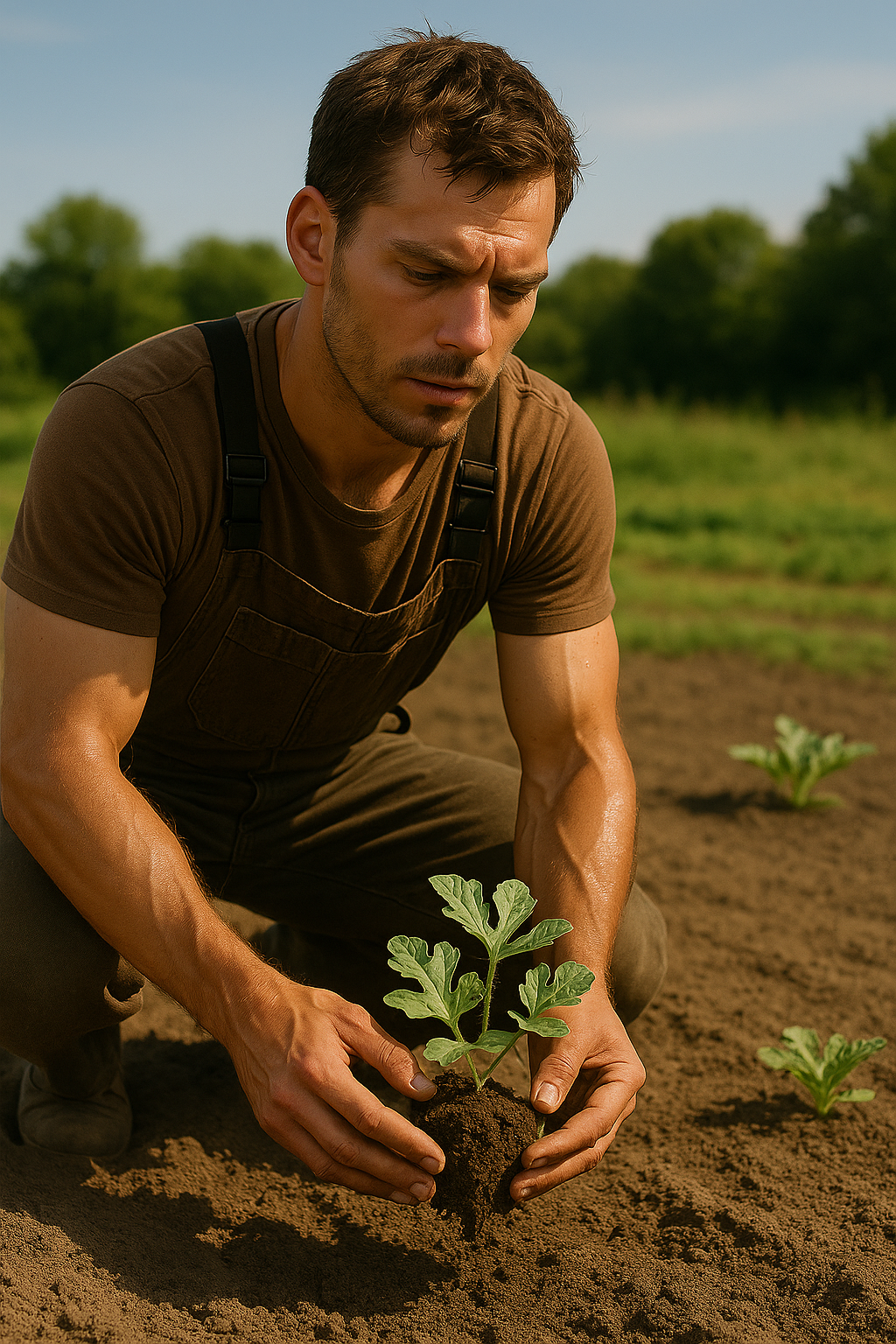
Watermelons are vigorous, sprawling vines that really like their elbow room. Trying to cram them into tight quarters is a fast track to trouble. Each plant typically needs about 4 to 6 feet of space in every direction to stretch out and thrive. If you’re planting in rows, give them at least 6 feet between rows and 2 to 3 feet between plants along the row. That may sound like a lot, but trust me—once those vines take off, you’ll be glad you gave them the space. Crowding your watermelon plants doesn’t just limit their growth; it can also choke off airflow, which creates a humid, stagnant environment. And that’s the perfect recipe for powdery mildew, rot, pest issues, and poor fruit development.
Open space also allows the leaves to soak up maximum sunlight, which is essential for the plant to produce big, sweet, flavorful melons. Watermelon vines are photosynthesis powerhouses, and sunlight is their fuel. When the leaves overlap and shade each other out, you’re cutting off their energy supply. That means slower growth, smaller fruit, and in some cases, no fruit at all.
Now, if you’re short on space but still dreaming of homegrown watermelon, there’s good news. You can absolutely grow them vertically with a little bit of ingenuity. Training watermelons up a sturdy trellis, fence, or A-frame structure is a smart solution for small gardens or raised beds. Just be sure to choose a compact variety—like ‘Sugar Baby’ or ‘Mini Love’—since their fruits are lighter and more manageable when elevated. Once the fruit starts to form, use homemade slings from old t-shirts, mesh produce bags, or soft fabric to cradle and support the melons so the vine doesn’t snap under the weight.
Growing vertically also improves airflow and sun exposure, which helps reduce the risk of disease and boosts overall plant health. Plus, it keeps your garden looking neat and organized, and it makes harvesting easier—no more hunting through a jungle of vines to find your ripened fruit. Whether you go horizontal or vertical, the key is not to crowd your watermelons. Give them room to run, and they’ll reward you with sweet, juicy melons that scream summer.
Start with Warm, Well-Drained Soil
Watermelons love warmth—plain and simple. They thrive when both the air and the soil are consistently warm, and they absolutely hate cold feet. That means patience is key when it comes time to plant. Wait until your soil temperature reaches at least 70°F (21°C), and ideally closer to 75–80°F for best results. Stick a soil thermometer about 2 inches deep to get an accurate reading before sowing seeds or transplanting seedlings. If you plant too early into cold, damp soil, your watermelon will sit there sulking—slow to sprout, sluggish to grow, and more vulnerable to rot and disease. Bottom line: don’t rush it. Warm soil is the foundation of a happy melon.
Choose a spot in your garden that gets full sun, with no exceptions. Watermelons are sun-chasers that need at least 6 to 8 hours of direct sunlight every single day. More is even better. The more sunlight your vines soak up, the more energy they can turn into big, sweet fruit. In shadier areas, vines may still grow, but fruit development will lag—and the taste won’t be nearly as rich and sweet.
Soil quality is just as important as temperature and sun. Watermelon plants are a little picky when it comes to their soil preferences. They love a light, sandy loam that drains well and is rich in organic matter. Heavy clay soils tend to hold too much water and suffocate the roots, which can lead to stunted growth and root rot. If your soil leans that way, don’t worry—it’s nothing a few wheelbarrows of compost, aged manure, and some coarse sand can’t fix. Mix in organic material to fluff up the structure and boost drainage. Raised beds are another great solution for gardeners dealing with stubborn clay soil.
The pH level of your soil also plays a role in how well your watermelon plants absorb nutrients. A slightly acidic to neutral pH—between 6.0 and 6.8—is ideal. If you’re not sure where your soil stands, pick up an inexpensive soil test kit or send a sample off to your local extension office. It’s a small step that can save you a whole season of guesswork.
And don’t forget about fertilizing. Before planting, mix a balanced, slow-release fertilizer or organic amendment into the soil. Watermelons are heavy feeders, especially once they start vining and forming fruit. Later on, you can side-dress with compost tea or a low-nitrogen, high-phosphorus fertilizer to support blossom and fruit development without pushing excessive leafy growth. Creating the right soil and sun conditions from the get-go sets the stage for strong, healthy vines that deliver juicy, flavorful melons. Give them warmth, light, and rich, well-drained earth—and those vines will reward you come harvest time.
Water Deeply and Consistently
Watermelon plants need consistent moisture—especially during the early stages of growth and fruit development—but finding that perfect balance can make or break your harvest. These thirsty vines rely on regular hydration to fuel their rapid growth and fruiting, but too much water, too often, can backfire in a big way. Shallow, frequent watering trains the roots to stay near the surface, making the plant more vulnerable to heat stress and drought. It can also lead to split fruit, especially after a dry spell followed by a sudden soaking. On the flip side, overwatering or waterlogged soil creates the perfect storm for fungal diseases like root rot, downy mildew, and fruit blight—not to mention bland, watery melons.
The key is to water deeply and less frequently. That encourages the roots to grow down deep where the soil stays cooler and more stable. Give your plants a good soaking about once or twice a week, depending on your climate and soil type. Sandy soils dry out quicker and may need more frequent watering, while clay soils hold onto moisture longer. Always check the soil before watering—stick your finger a couple inches into the ground. If it’s dry at that depth, it’s time to water. If it still feels damp, give it another day or two.
Mulching around your watermelon plants is a smart move, too. A 2- to 3-inch layer of straw, shredded leaves, or untreated grass clippings helps hold moisture in the soil while keeping the roots cool and reducing evaporation. It also helps keep weeds down and prevents muddy splash-back that can carry disease to the leaves.
Now here’s a trick veteran growers swear by: once the fruits start to size up and enter the ripening phase, ease up on the watering. Reducing moisture at this stage signals the plant to focus on sugar production, which leads to sweeter, more flavorful melons. If you keep watering heavily right up to harvest, the fruit can become diluted, with less intense flavor and watery flesh. So when you see those melons reaching their mature size and the skin starts to dull, start cutting back. Just don’t let the vines dry out completely, especially during hot spells—keep it balanced.
Bottom line: watermelon loves water, but not too much. By dialing in a deep and steady watering routine, then tapering it off at the right time, you’ll be setting your plants up for success and your tastebuds up for a summer treat that’s juicy, sweet, and totally homegrown.
Feed Your Plants—but Don’t Overdo It
Watermelons are heavy feeders, no doubt about it. These plants are in it for the long haul, and pushing out big, juicy fruit takes a whole lot of nutrients. If you want melons that are not just large but sweet and full of flavor, you’ve got to give your plants the right fuel from the start. That begins with prepping your soil before you even plant a seed. Mix in a generous helping of well-aged compost or a balanced organic fertilizer to build a solid nutritional foundation. A slow-release blend with even nitrogen-phosphorus-potassium (N-P-K) levels—like a 10-10-10—can get your seedlings off to a strong start.
Once the vines are growing and spreading, their nutrient demands ramp up quickly. That’s when side-dressing becomes your best friend. Apply compost or an organic granular fertilizer around the base of the plants every few weeks, being careful not to disturb the shallow roots. If you’re using a water-soluble fertilizer, try feeding every 10 to 14 days to keep the nutrients flowing. Look for a product that’s higher in phosphorus (the middle number) and potassium (the last number), like a 5-10-10 or similar. These nutrients are key players in flowering, fruit development, and flavor. Potassium, in particular, helps build the sugars that make your melons taste so good.
Now, here’s where things can go sideways if you’re not careful—too much nitrogen. It’s tempting to pump your plants full of it when you see them taking off with lush green leaves. But once the vines start running and setting flowers, it’s time to ease off. Nitrogen fuels leafy growth, and if you overdo it, your plant will put all its energy into growing vines the size of garden hoses instead of producing fruit. You’ll get tons of foliage and maybe even some monster vines—but the melons will be few and far between, or take forever to mature.
The trick is to shift your focus as the plant matures. Early on, nitrogen is helpful for root and leaf development. But as soon as flowers start forming, you want your watermelon to channel its energy toward fruit production. That’s your cue to switch to a bloom- and fruit-boosting formula. Foliar feeding with seaweed extract or fish emulsion can also give the plants a nice micronutrient bump without overwhelming them.
And don’t forget to watch your plants for signs of deficiencies. Pale leaves, slow growth, or poor fruit set can indicate a lack of nutrients—or sometimes, a pH imbalance that’s locking those nutrients out. If you’re unsure, a soil test mid-season can give you a clearer picture of what’s going on underground.
In the end, growing top-notch watermelon is all about balance. You want strong, healthy vines, but you also want to steer that growth toward what matters most: big, sweet, melt-in-your-mouth melons. Feed your plants well, adjust as they grow, and they’ll reward you with the ultimate summer treat.
Watch for Pests and Pollination Problems
Pollination is absolutely essential when it comes to growing watermelons. These plants produce both male and female flowers, and in order for fruit to form, pollen from the male flower needs to be transferred to the female one—and that’s where bees and other pollinators come in. A single watermelon can require dozens of bee visits to ensure complete pollination. Without enough of those visits, you might end up with misshapen melons, or worse, no melons at all. So if you want big, beautiful fruit, supporting your local pollinators isn’t just a nice gesture—it’s part of the job.
To encourage good pollination, avoid spraying broad-spectrum pesticides, especially during daylight hours when bees are most active. These chemicals don’t discriminate and can harm helpful insects along with the pests you’re trying to target. Instead, take the long view—use pest-specific solutions when needed, or go the organic route with neem oil or insecticidal soap in the early morning or evening when pollinators aren’t around. Another smart move is planting bee-friendly flowers nearby. Things like borage, zinnias, calendula, or even sunflowers can draw more pollinators to your garden and increase the odds of good fruit set on your watermelons.
Now let’s talk about the not-so-welcome guests: pests and diseases. Cucumber beetles are one of the most common and destructive pests that target watermelon plants. They feed on leaves and flowers and can also spread bacterial wilt—a disease that can wipe out entire vines. Aphids are another regular nuisance. These tiny sap-suckers cluster on the undersides of leaves and can cause curling, stunting, and the spread of plant viruses. If you spot these bugs, don’t panic. Start by knocking them off with a strong blast of water or picking them by hand if you’re only dealing with a few. For heavier infestations, neem oil or insecticidal soap can help keep things in check.
Row covers can be a great line of defense early in the season. These lightweight fabric barriers protect young plants from pests while still letting in light and water. Just be sure to remove them once the plants start flowering—otherwise, you’ll block the pollinators you need.
And then there’s the fungal side of things. Powdery mildew and downy mildew are two common fungal diseases that tend to show up in warm, humid conditions—exactly the kind of weather watermelon loves. These fungi can cover your leaves in white or gray patches, slowing down photosynthesis and reducing yields. To help prevent them, space your plants generously and train them vertically if you can, so air can circulate freely through the vines. Water at the base of the plant early in the day to keep foliage dry and reduce humidity. And keep an eye out—early detection and treatment with an organic fungicide or baking soda spray can often stop mildew in its tracks before it spreads.
Healthy watermelon vines start with strong pollination and stay healthy with good pest and disease management. A little observation, some preventative care, and a few smart companion plants can go a long way in keeping your patch productive and your melons sweet and plentiful.
Know When to Harvest—and Don’t Wait Too Long
One of the trickiest—and most nerve-wracking—parts of growing watermelon is figuring out the perfect moment to pick it. Unlike tomatoes or peppers, watermelons don’t continue to ripen once they’re off the vine. That means there’s no second chance. Pick too early, and you’ll end up with a pale, flavorless disappointment. Wait too long, and the fruit can become mushy, mealy, or overripe. That’s why knowing the signs of ripeness is so important—and thankfully, nature gives us a few solid clues if you know where to look.
First and probably most reliable: the tendril nearest to the melon’s stem. This curly little vine piece acts almost like a watermelon harvest indicator. When the melon is still growing, that tendril will be green and lively. As the fruit matures, the tendril starts to dry out. When it turns brown and shriveled, that’s a strong sign your watermelon is nearing peak ripeness. You want to see the entire tendril dry—not just a section of it.
Next, check the ground spot—the area of the melon that rests on the soil while it’s growing. In an unripe watermelon, this spot tends to be light green or even white. But as the melon ripens, that patch changes to a creamy yellow or buttery beige color. If it’s still pale or greenish, it’s probably not ready. This field spot is especially reliable when paired with the tendril clue.
Another subtle but useful indicator is the appearance of the rind. A ripe watermelon will often lose its glossy, shiny surface and take on a more matte finish. The skin will feel a bit rougher and waxier. When you give it a gentle thump or tap, a ripe melon will produce a deep, hollow sound, while an underripe one may sound high-pitched or tinny. This thump test takes a little practice—and ideally a few tries during your first season—but once you’ve picked a few ripe ones, your ear will start to learn the difference.
Also take note of the shape and symmetry. A ripe watermelon tends to be uniform in shape—either oval or round, depending on the variety. Irregular shapes can sometimes indicate inconsistent pollination, which can affect flavor and texture.
If you’re growing a few different varieties, keep track of planting dates and days to maturity, too. This helps you narrow the harvest window and avoid guessing blind. Most watermelon varieties mature in 70 to 95 days from planting, depending on type and weather conditions.
It’s totally normal to feel unsure the first couple of times you harvest, but don’t worry—with a little practice and some close observation, you’ll develop an eye (and an ear) for ripeness. And when you finally slice into that perfect melon—bursting with color and flavor—you’ll realize the wait and the guesswork were absolutely worth it.
Avoid These Common Mistakes
One of the most common missteps new watermelon growers make is getting too eager and planting too early. It’s an easy mistake—we’re all excited to kick off the garden season and dream of those sweet summer harvests. But watermelons are not fans of cold feet. Plant them before the soil has fully warmed up, and you’re likely to end up with stunted growth, slow germination, and seedlings that just sit there struggling to get going. Cold snaps and chilly nights can even kill off young transplants. Remember, watermelons are true heat-lovers—they need consistent warmth both above and below the soil line to thrive. Waiting just an extra week or two until your soil temps are reliably above 70°F can make a huge difference in your success.
Overwatering is another rookie mistake, especially later in the season when fruits are ripening. Early on, watermelon plants need regular, deep watering to establish strong roots and support vigorous vine growth. But once the fruits start to size up and enter the ripening phase, too much water can dilute the flavor and even cause the fruit to split open. It’s a tough habit to break—many gardeners keep watering on autopilot—but dialing it back toward the end helps concentrate the sugars in the fruit. Less water equals sweeter melons. So, if you’ve got a few fruits nearing the finish line, don’t flood them—let the soil dry slightly between waterings.
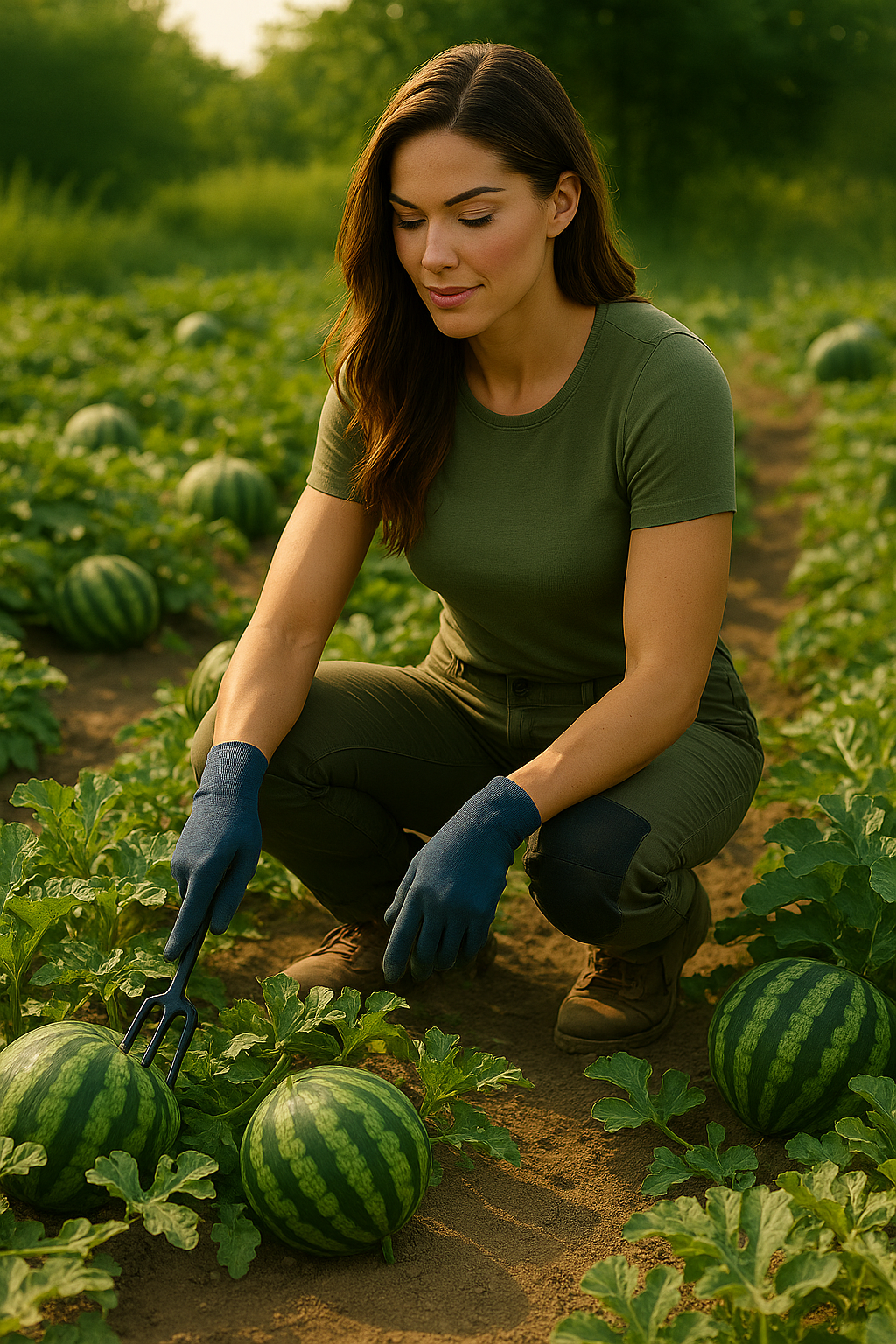
Another issue that sneaks up on people is spacing—or rather, the lack of it. Watermelons are natural sprawlers, and each plant needs a good 4 to 6 feet in every direction to really do its thing. When vines are crowded together, airflow suffers, light gets blocked, and competition for nutrients increases. All of that leads to smaller fruit, higher disease risk, and frustrated gardeners wondering why things didn’t take off. Whether you’re growing in rows or raised beds, always plan for the full spread of mature vines. If you’re tight on space, consider vertical growing options with smaller melon varieties and use slings for support.
And here’s one more that often gets overlooked—pollination. Watermelons are not self-pollinating, so they need help from bees and other pollinators to transfer pollen from male to female flowers. If your plants are blooming but you’re not seeing any melons develop, poor pollination is usually the culprit. Avoid using insecticides that harm pollinators, especially during the flowering phase. Better yet, invite the good guys in by planting pollinator-friendly flowers like borage, cosmos, and sunflowers nearby. Even herbs like basil and lavender can help create a buzzing, beneficial environment.
In short, watermelon plants aren’t hard to grow, but they do demand attention to timing, watering, spacing, and pollination. Skipping these fundamentals leads to frustration fast—but getting them right lays the groundwork for healthy vines and melons that are everything you hoped for: big, bold, and bursting with flavor.
Wrap-Up: Sweet Rewards with a Bit of Patience
Growing watermelon takes some planning, a bit of space, and a good dose of sunshine, but the reward is well worth the effort. With the right variety, healthy soil, and a few well-timed tricks, you can grow your own juicy melons right at home—whether you’ve got a backyard plot or a sunny corner in a larger garden. And when you slice into that first homegrown melon? That’s summer satisfaction at its best. There’s just something unbeatable about knowing you grew it yourself, from seed to sweet, sun-ripened slice. Since you are here, you should also take a look over my article on how to grow blueberries.