
If you’ve ever wished you could snip fresh basil or rosemary right into your dinner without heading to the store—or even out to the garden—then growing herbs on your windowsill is your kind of project. It’s simple, low-maintenance, and delivers big returns in both flavor and convenience. Best of all, it doesn’t matter if you live in a house, an apartment, or anywhere in between. With the right setup and a little attention, you can keep fresh herbs thriving on your kitchen windowsill 365 days a year, no matter the season.
Herbs like basil, parsley, thyme, mint, and chives don’t need much space to be happy. A few small pots, a sunny spot, and some regular watering is all it takes to turn your windowsill into a mini herb garden. And the benefits go beyond cooking—growing herbs indoors helps purify the air, adds greenery to your home, and connects you to your food in a meaningful way. Whether you’re a seasoned gardener or just dipping your toes into growing your own food, this is one of the easiest and most rewarding places to start.
Let’s walk through exactly how to make that happen and set you up for fresh, homegrown flavor year-round. Since you are here, you can also take a look over my other article on how to grow rosemary the easy way.
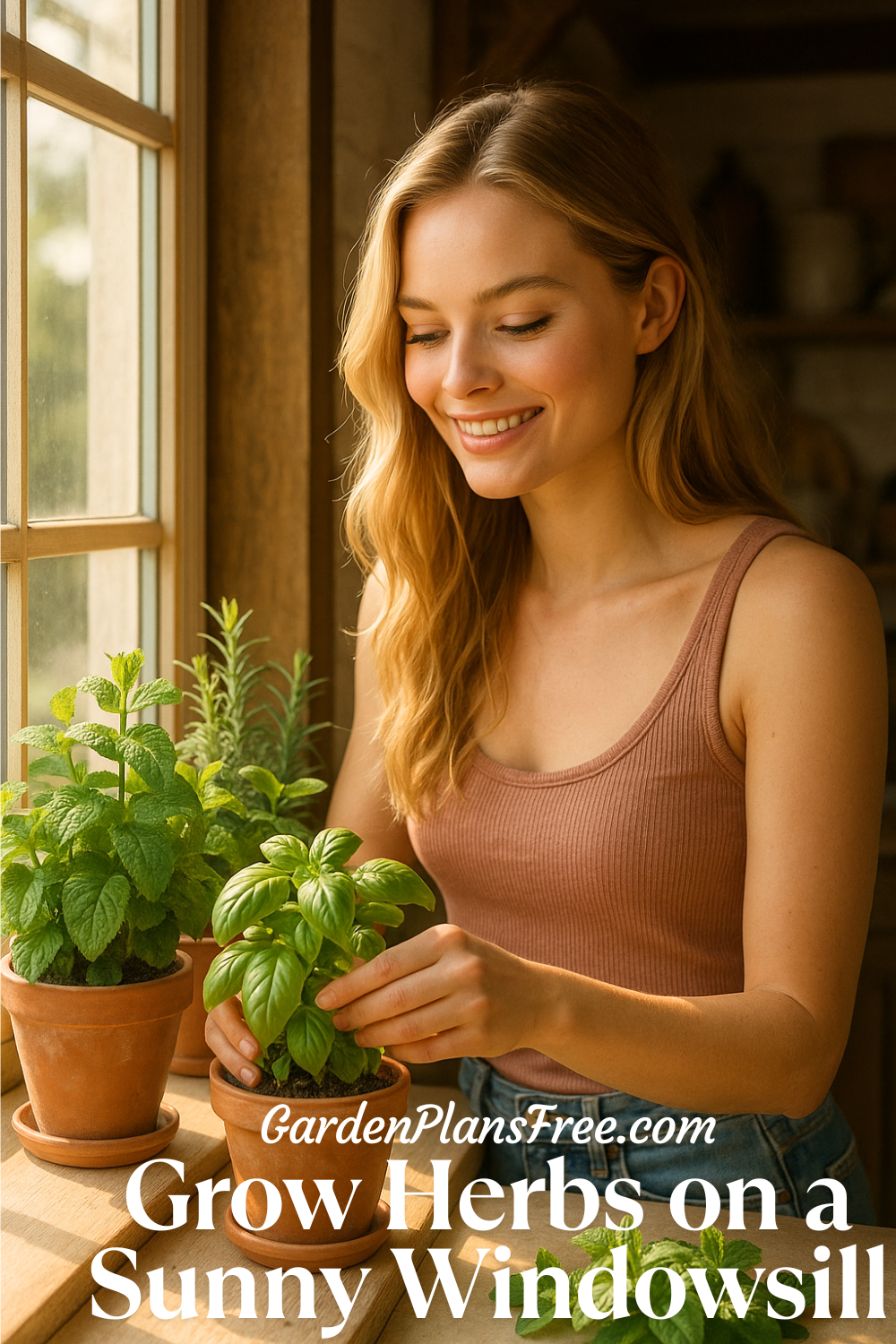
Why a Sunny Windowsill Works Wonders
Sunlight is the engine that keeps indoor herbs thriving, and most culinary herbs are full-on sun lovers. To keep them healthy and flavorful, aim for 6 to 8 hours of direct sunlight each day. A south-facing windowsill is ideal because it catches the strongest light for the longest period, but east- or west-facing windows can work too, especially during spring and summer when the sun hangs around a bit longer. If you’re short on natural light or growing in the dead of winter, no worries—a small, energy-efficient grow light can pick up the slack.
Here’s a quick tip to figure out if your windowsill is up to the task: check the shadows. If you see a strong, well-defined shadow when the sun hits the spot, that’s good light. Fuzzy or faint shadows mean the light might be too weak, and that’s when herbs start reaching toward the sun, growing tall and spindly instead of bushy and productive. In those cases, even a compact LED grow light on a timer for 10 to 12 hours a day can make all the difference. It keeps your herbs growing strong, flavorful, and ready to snip whenever you’re cooking.
The Right Herbs for Indoor Growing
Some herbs just naturally take to indoor life better than others, and when you’re growing on a sunny windowsill, sticking to the dependable winners makes everything easier. Basil, parsley, chives, mint, thyme, oregano, and cilantro are some of the top contenders. They’re compact, relatively low-maintenance, and flavorful enough to make a real difference in your kitchen. Basil can be a bit dramatic when temperatures drop, but if you keep it warm and give it enough light, it’ll keep pushing out those fragrant leaves. Mint, on the other hand, is as tough as they come—just make sure it has its own pot, or it’ll take over like it owns the place.
If you’re just getting started, the easiest route is to pick up a few young herb plants from your local garden center or grocery store. They’re already established and ready to grow, which means you get to skip the slow startup phase. Rooted cuttings from store-bought herbs are another solid option—just stick the stems in water until they sprout roots, then pot them up. Starting from seed is also doable, especially for fast growers like basil or cilantro, but be patient. You’ll need to keep the soil moist, warm, and well-lit until those tiny seedlings are ready to grow on their own. Whether you’re starting from scratch or giving neglected grocery herbs a second life, windowsill gardening makes it easy to build a mini herb pantry right where you cook.
Choosing the Right Containers and Soil
When it comes to growing herbs indoors, the container you choose can make or break your success. The good news? You don’t need anything fancy or oversized. Most herbs are perfectly happy in containers that are 4 to 6 inches deep. What they absolutely do need, though, is solid drainage. Whether you’re using terracotta, ceramic, or lightweight plastic pots, just make sure there’s a hole at the bottom to let excess water escape. To protect your windowsill or counter, you can use saucers or line trays with small pebbles to catch the runoff and keep the roots from sitting in soggy soil.
As for what to fill those pots with, skip the garden soil—seriously. Outdoor soil is too heavy for containers and can bring in unwanted pests or pathogens. Instead, go with a high-quality potting mix that’s designed to drain well and hold just enough moisture. There are mixes made specifically for indoor plants and even some tailored to herbs or edibles. They’re light, airy, and usually enriched with the nutrients your herbs need to get off to a strong start. If you want to go the extra mile, mix in a little perlite or coconut coir to boost drainage and moisture balance even more. With the right container and soil, your herbs will be off to a healthy, happy start.
Watering and Feeding for Healthy Growth
Here’s the deal with herbs and watering: consistency is key, but overwatering is one of the fastest ways to send your plants downhill. Most herbs prefer their soil to stay lightly moist—not wet and definitely not bone dry. A good rule of thumb is the finger test: stick your finger into the soil about an inch or two deep. If it feels dry at that level, it’s time to water. If it’s still moist, wait a day or two and check again. When you do water, go for a deep soak rather than a quick splash—just be sure your pot allows the excess to drain out. No herb wants soggy roots sitting in a puddle.
Now, even the most laid-back herbs appreciate a little feeding now and then, especially if you’re regularly snipping off leaves for cooking. Every three to four weeks, treat your windowsill garden to a dose of diluted organic fertilizer. Liquid options like fish emulsion, seaweed extract, or compost tea work great because they’re gentle and easy to absorb. This small step goes a long way in keeping your herbs leafy, flavorful, and productive all year long. A little nourishment, just like with people, makes a big difference in performance.
Harvesting the Right Way (So They Keep Growing)
The great thing about herbs is that harvesting them actually makes them grow better—if you know how to snip. For leafy, fast-growing herbs like basil, mint, or parsley, always trim just above a set of leaves or a node where new branches can split off. This encourages a fuller, bushier plant rather than one that shoots up tall and spindly. Regular pinching back not only gives you fresh herbs for your meals but also trains the plant to grow stronger.
That said, don’t get too greedy. Taking more than one-third of a plant at a time can send it into survival mode, especially if it’s not well established. Woody herbs like rosemary, thyme, and oregano have a slower growth cycle and don’t respond as vigorously to pruning. When trimming these, go easy—light snips here and there are enough to keep them healthy and productive. If your herb seems sluggish or stressed, ease up on watering, make sure the roots aren’t sitting in soggy soil, and give it a few sunny days to recover. These plants are surprisingly resilient and will usually bounce back with just a bit of care.
Keeping Herbs Thriving All Year Long
Winter throws a few extra challenges at indoor herb gardens, but with a couple of tweaks, your plants can stay happy and productive. Light is the biggest hurdle—those short, gray days don’t always cut it. Make a habit of rotating your pots every few days so all sides of the plant get equal exposure. This helps prevent lopsided, leggy growth and keeps things looking tidy on your windowsill.
Another winter issue is dry indoor air. Between heaters running and windows closed, humidity levels drop fast. Give your herbs a light mist every few days or place the pots on a tray filled with pebbles and water—the evaporating moisture adds humidity around the plants without soaking the roots.
And don’t be afraid to start fresh now and then. Some herbs, like basil and cilantro, naturally have shorter lifespans and just do better when restarted every few months. If a plant is looking tired or flavorless, it’s okay to compost it and replace it with a new cutting or seedling. Keeping your herb garden on a rotating cycle ensures you always have something green, fragrant, and harvest-ready—no matter what the weather’s doing outside.
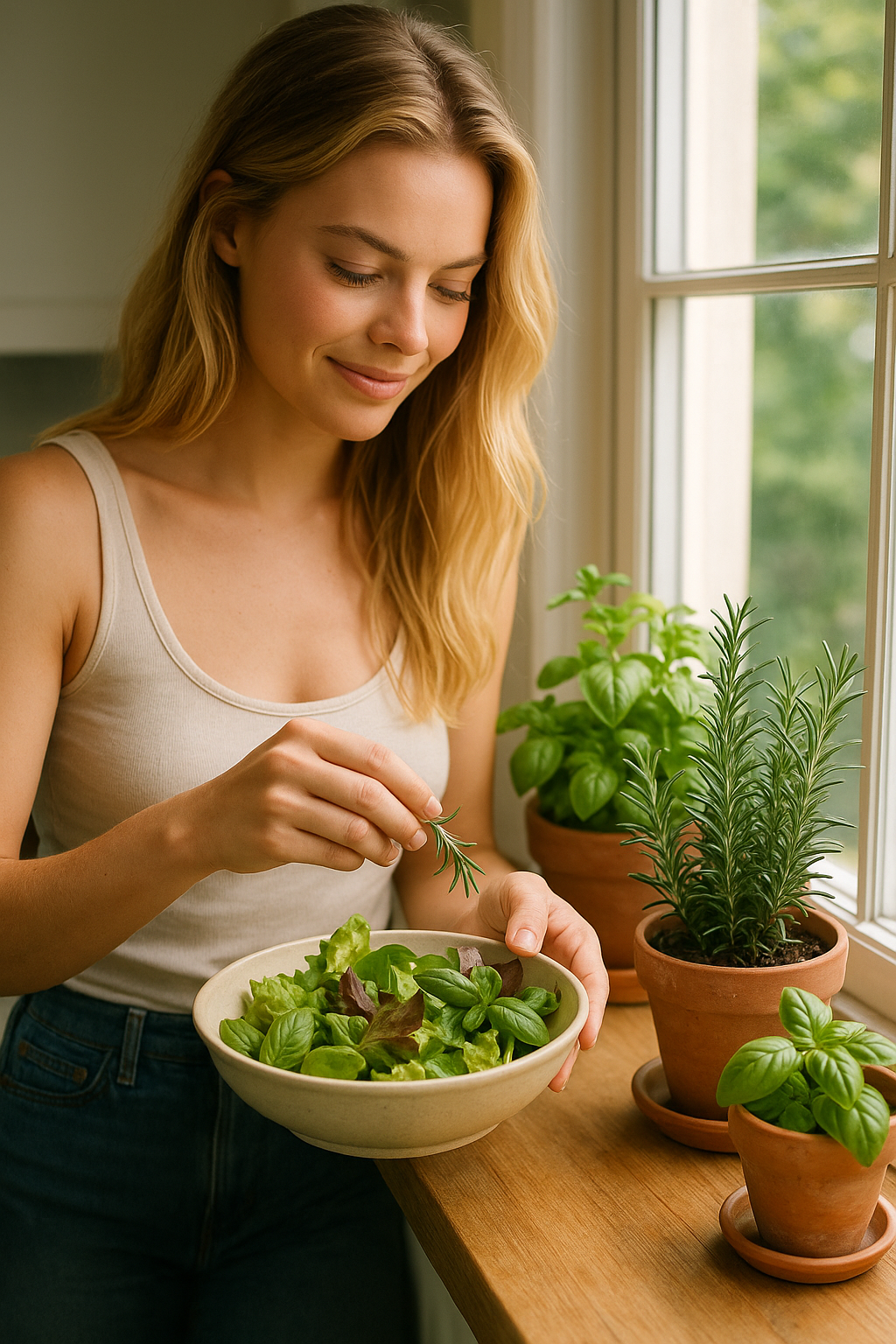
Bring Fresh Flavor Right to Your Kitchen
Growing herbs on your windowsill is one of the easiest and most rewarding ways to bring a little green into your home—and into your meals. Whether you’re adding fresh chives to scrambled eggs or tossing homegrown basil on top of pasta, the flavor boost is unbeatable.
So pick your favorites, pot them up, and let your sunny windowsill do the rest. With a little sunlight, a little water, and a bit of care, you’ll have fresh herbs at your fingertips all year long—and you might never buy a plastic herb pack from the store again. From seed to snip, this is gardening at its simplest. And once you start, it’s hard to stop—because nothing beats the joy of growing your own flavor.