
If you’ve ever wanted to grow your own food but felt overwhelmed by all the watering, weeding, and fussing—this one’s for you. Gardening doesn’t have to be a full-time job with a clipboard and a calendar. In fact, some of the best-producing vegetables out there are tough, forgiving, and borderline lazy-gardener approved. These are the kind of crops that don’t mind if you forget to water now and then or skip a weeding session.
Now, that’s not to say you can toss some seeds into the dirt and go sip lemonade until harvest time. But with the right plants—and just a little bit of planning—you can build a garden that takes care of itself more than you’d expect. We’re talking about vegetables that are drought-tolerant, pest-resistant, and generally low-drama. They’re the “set it and semi-forget it” types that can keep you fed without demanding your every weekend.
And here’s the kicker: many of these easygoing veggies are also incredibly productive. Some of them keep pumping out food all season long, while others grow fast and are ready to eat before you even realize you forgot to weed. Whether you’ve got a busy schedule, a small space, or you’re just dipping your toes into the gardening world, these are the crops that won’t punish you for not being perfect.
The truth is, with the right plants, you can have a thriving garden without living out there in overalls and rubber boots. Whether you’re brand new to gardening or just looking to simplify your setup, these seven low-maintenance champs will give you harvest after harvest with minimal effort. We’re talking veggies that practically grow themselves—no fancy equipment, no daily checklists, just soil, sunlight, and a bit of your time.
Let’s dig into the vegetables that work hard so you don’t have to—and why your garden (and your schedule) will thank you for choosing them.
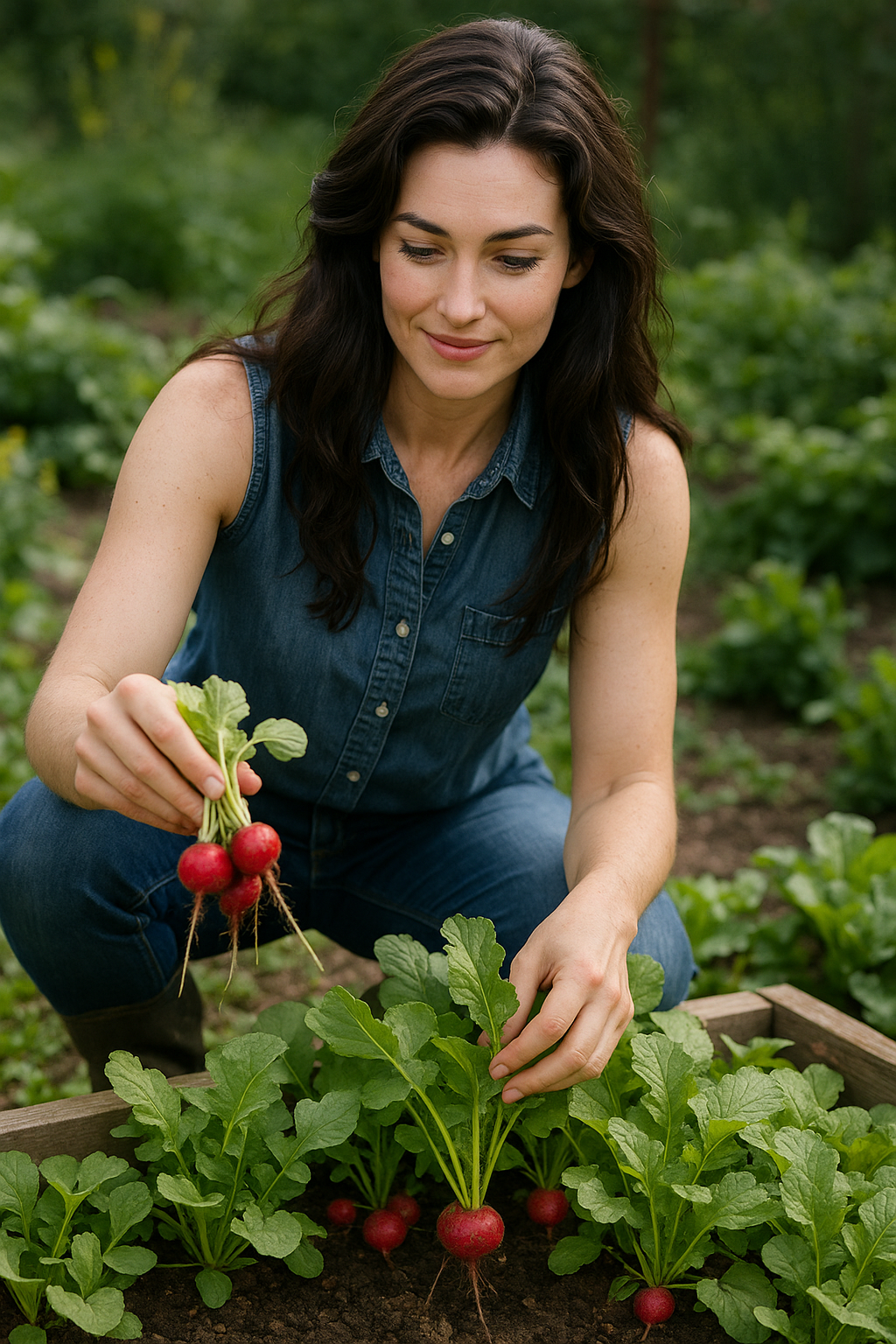
Radishes: The Speed Demons of the Garden
Radishes are about as easy as it gets when it comes to growing your own food. You plant the seeds directly in the ground—no transplanting, no fuss—and in as little as three weeks, you’re pulling up crisp, spicy roots that taste like a victory lap for your garden. They don’t need fancy, nutrient-rich soil or constant attention, and because they grow so fast, there’s little time for pests or diseases to set in. Just give them full sun, a patch of loose, well-draining soil, and keep the moisture consistent.
They’ll do the rest without complaint. You can even succession plant radishes every couple of weeks for a steady harvest throughout the season. And because they’re compact, they’re great for tucking into raised beds, small containers, or between slower-growing crops like carrots or tomatoes. Bonus: their quick turnaround and visual progress make them the perfect gateway veggie for kids and first-time gardeners. Radishes don’t just grow fast—they grow confidence.
Leaf Lettuce: Cut and Come Again
Leaf lettuce is one of the most forgiving and rewarding greens you can grow. It asks for very little and gives a whole lot back. Just scatter the seeds generously across your bed or container, press them into the soil, and water them in. Within days, you’ll see a blanket of green starting to form—and in just a few weeks, you’ll be snipping tender, flavorful leaves for salads, wraps, and sandwiches.
What really makes leaf lettuce a standout is its cut-and-come-again nature. Harvest a few leaves at a time, and the plant keeps producing, often for several weeks before it starts to bolt. It doesn’t demand rich soil, thrives in partial sun, and is just as happy in a window box as it is in a raised bed. Plus, it’s a cool-weather crop, which means it’s perfect for early spring or fall planting. And if it does bolt? No worries—the flowers are edible and a magnet for pollinators. It’s a win-win for gardeners who want maximum return with minimum effort.
Zucchini: Set It and Stand Back
If there’s one vegetable that truly earns its place in a lazy gardener’s lineup, it’s zucchini. These plants are prolific to the point of legendary—once they start producing, you’ll be handing extras to your neighbors, coworkers, and anyone who makes eye contact. All it takes to get there is a bit of space, some sunshine, and decent soil. Plant zucchini in well-draining earth enriched with compost or a slow-release organic fertilizer, and then step back. They’ll do the rest.
Zucchini plants don’t need much fussing beyond occasional deep watering and keeping the leaves healthy with good airflow. As soon as the flowers appear, you can count on a steady stream of squash to follow. And don’t turn your back on them for too long—zucchinis can go from perfectly tender to baseball bat-sized in what feels like a single day. For best flavor, pick them when they’re 6 to 8 inches long. With minimal upkeep and maximum reward, zucchini might just be the poster child for vegetables that practically grow themselves.
Green Beans: The Easy Pickers
Bush beans and pole beans are as close to a sure thing as it gets in the vegetable garden. Once the danger of frost has passed and the soil warms up, just pop the seeds into the ground, water them in, and watch them go. These legumes are quick to sprout and don’t ask for much beyond a sunny spot and occasional watering. Pole beans will need something to climb—think trellis, fence, or even a teepee of bamboo stakes—but bush beans stay neat and self-supporting, which makes them ideal for raised beds or tight spaces.
One of the best things about growing beans is how little they need in terms of fertilizer. Beans fix their own nitrogen, which means they take what they need from the air and enrich the soil while they grow. If your soil has been fed with compost or aged manure in the past, you’re good to go. And once the beans start coming in, you’ll be harvesting every few days. Regular picking keeps them producing, so the more you pick, the more you get. They’re productive, unfussy, and kid-friendly—everything you want in a low-maintenance garden crop.
Garlic: Plant It and Forget It
Garlic is one of those crops that rewards patience more than attention. You plant individual cloves in the fall—pointy end up, a few inches apart—and then let winter do its thing. No daily watering, no pest patrol, no fancy soil amendments needed. Just tuck them in with a blanket of mulch to keep the weeds down and protect against freeze-thaw cycles, and walk away. Come spring, you’ll see bright green shoots pushing through, but you still won’t need to do much.
By early summer, when the leaves begin to yellow and flop over, you’ll know it’s time to harvest. Lift the bulbs gently, cure them in a shady, dry spot, and you’ll have garlic that stores for months. No refrigeration needed. It’s one of the most hands-off crops you can grow—and one of the most satisfying to use in the kitchen. A little effort in the fall turns into flavor-packed rewards that last long after garden season ends.
Swiss Chard: Tough, Colorful, and Productive
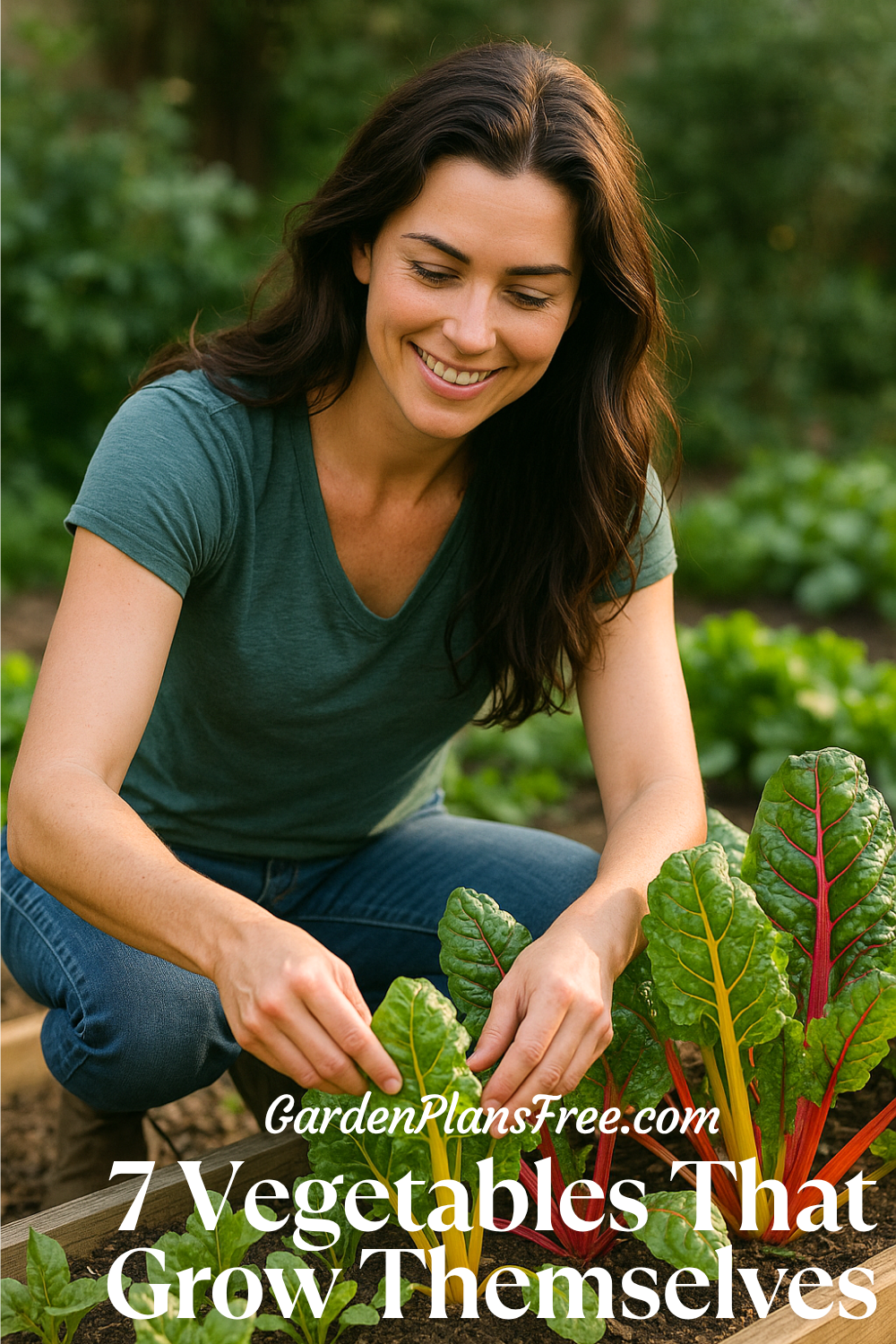
Swiss chard really earns its place in any low-maintenance garden. Once those seeds sprout, you’re looking at a leafy powerhouse that shrugs off temperature swings and just keeps going. Whether you’re dealing with cool spring mornings or the high heat of midsummer, chard doesn’t flinch. It thrives in raised beds, containers, or tucked in with your flowers for a splash of color that’s as useful as it is beautiful.
One of its best features is the cut-and-come-again growth habit. You harvest the outer leaves as needed, and the plant keeps putting out fresh growth from the center—no replanting required. Even better, Swiss chard is highly nutritious, packed with vitamins A, C, and K, plus iron and magnesium. And if you give it a light mulch and some frost protection in fall, it might keep producing right through to winter. For a veggie that asks so little and gives so much, Swiss chard is a true garden MVP.
Kale: The Resilient Powerhouse
Kale is the tough guy of the vegetable world—and it’s got the resilience to prove it. Whether you’re a beginner gardener or someone who forgets to water now and then, kale won’t hold it against you. Once it gets going, this leafy green requires almost no maintenance. It shrugs off heat better than lettuce, survives drought periods better than spinach, and once cooler temps roll in, it turns downright sweet thanks to the cold-triggered sugar production in its leaves.
You can start harvesting baby leaves just a few weeks after planting, or let the plant mature and pick full-sized leaves from the outside in. As long as you don’t cut the growing center, kale keeps pushing out fresh growth. It’s right at home in raised beds, planters, or even alongside ornamental flowers, thanks to its striking ruffled leaves and deep green or purple hues. And let’s not forget the health benefits—kale is loaded with vitamins A, C, and K, calcium, and powerful antioxidants. If you want a crop that thrives on minimal care and gives back big, kale’s your leafy workhorse.
Low-Maintenance Gardening, High-Yield Results
You don’t need a green thumb or hours of free time to grow a productive garden. Choosing vegetables that thrive on neglect gives you the best of both worlds—homegrown food and more time to enjoy it. These crops are perfect for beginners, busy folks, or anyone who wants to grow smarter, not harder. Start with these seven, and you might just find your garden growing itself.
So grab a packet of seeds, dig a few holes, and let nature do the rest. The lazy gardener’s secret? Work with the plants that know how to handle themselves. They don’t complain, don’t pout, and they still show up at harvest time ready to feed you. And that’s the kind of garden that works for you—not the other way around.